

The tax preparation industry continues evolving in 2026, creating new demands for professional education. Tax professionals face a critical decision: pursue online tax courses or commit to traditional in-person training programs.
Both formats offer distinct pathways to tax preparer certification. Your choice directly impacts career trajectory, learning efficiency, and professional development speed.
Online Tax Courses: The Flexible Advantage
Online tax courses dominate the 2026 education landscape. These programs deliver comprehensive tax education without geographical or scheduling constraints.
Cost Efficiency Drives Adoption
Online programs cost 30-50% less than equivalent in-person courses. You eliminate commuting expenses, parking fees, and childcare costs. Course providers reduce overhead by avoiding classroom rental and on-site staffing.
Most online tax education platforms offer payment plans, making certification accessible to career changers and entry-level professionals.
Schedule Flexibility Maximizes Learning
Online courses adapt to your existing schedule. Study during lunch breaks, evenings, or weekends. Progress through modules at optimal learning speed without waiting for classmates.
This flexibility particularly benefits working professionals transitioning into tax preparation or expanding existing skillsets.

Technology Integration Reflects Industry Standards
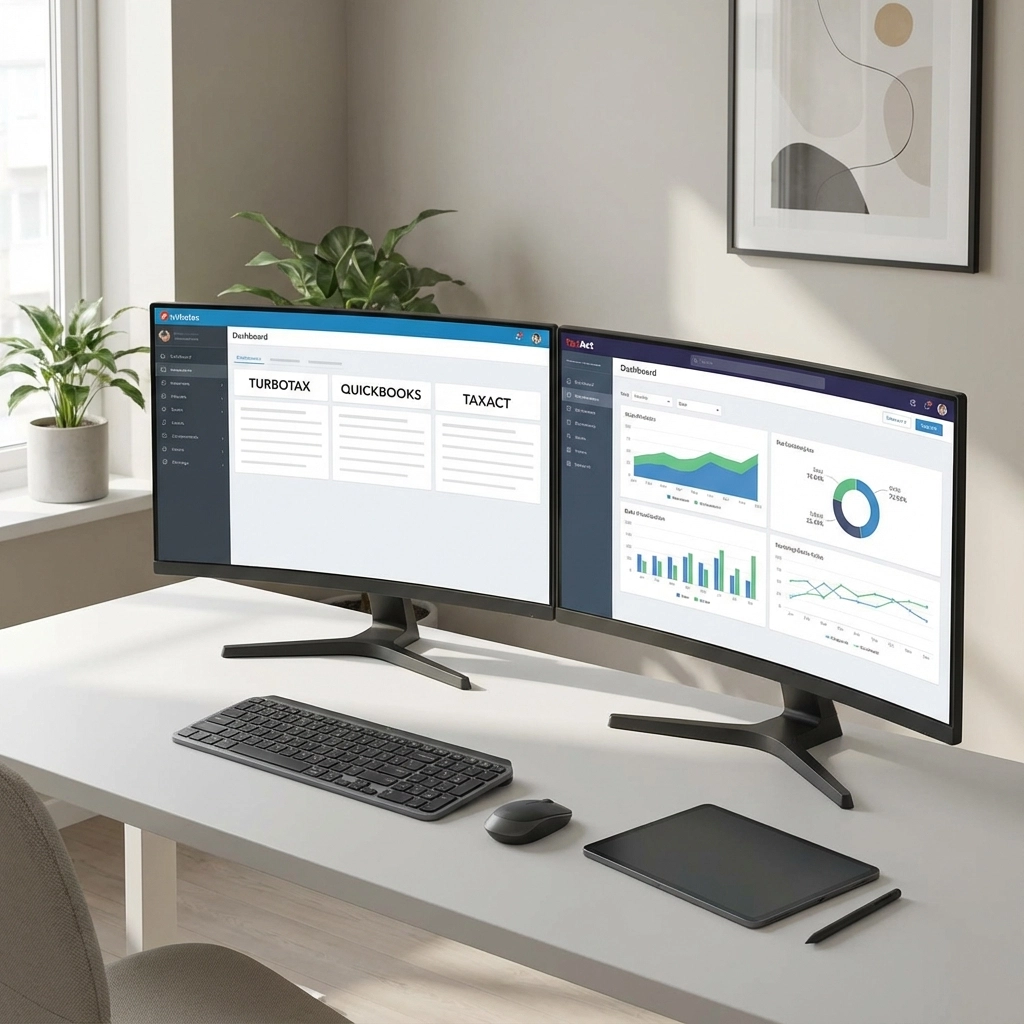
Leading online tax courses include hands-on experience with professional software. Students practice with actual tax preparation programs used by major firms and independent practitioners.
This software exposure provides immediate job readiness. Graduates enter the workforce familiar with industry-standard tools rather than learning on-the-job.
Content Updates Match Regulatory Changes
Online platforms update course materials instantly when tax laws change. Digital content reflects current IRS requirements, forms, and procedures without waiting for textbook reprints.
Traditional programs often lag behind regulatory updates due to printing schedules and curriculum approval processes.
In-Person Training: The Interactive Experience
In-person training maintains relevance despite online course popularity. These programs offer structured learning environments with direct instructor interaction.
Instructor Access Provides Immediate Support
Live instructors answer questions in real-time. Complex tax scenarios receive immediate clarification without waiting for email responses or scheduled office hours.
This direct access particularly benefits visual and auditory learners who process information better through verbal explanation and demonstration.
Peer Interaction Creates Professional Networks
Classroom settings foster professional relationships with fellow students. These connections often lead to job referrals, partnership opportunities, and ongoing professional support.
Networking opportunities extend beyond graduation through alumni networks and continuing education events.

Structured Schedule Maintains Learning Momentum
Fixed class schedules create accountability and consistent progress. Students complete assignments and attend sessions according to predetermined timelines.
This structure benefits individuals who struggle with self-directed learning or need external motivation to maintain study habits.
2026 Industry Trends Impact Training Decisions
The tax preparation landscape shifts significantly in 2026, influencing education format effectiveness.
Remote Work Adoption Favors Online Skills
Tax firms increasingly operate remotely or hybrid models. Professionals comfortable with digital learning platforms adapt more easily to remote work environments.
Online course completion demonstrates technological competency valued by modern tax practices.
Artificial Intelligence Changes Skill Requirements
Tax preparation software incorporates more AI functionality. Professionals need comfort with digital tools and automated processes rather than manual calculation skills.
Online courses typically integrate these technological elements better than traditional classroom settings.
Continuing Education Requirements Increase
Professional licensing bodies expand continuing education requirements. Online platforms offer more convenient access to required credits throughout careers.
Many online providers include ongoing education access within certification programs, reducing long-term professional development costs.
Certification Pathways and Recognition
Both online and in-person programs lead to identical professional certifications. The IRS and state licensing bodies recognize courses based on content quality rather than delivery method.
IRS PTIN Requirements Apply Equally
All tax preparers need Preparer Tax Identification Numbers regardless of training format. Online and in-person graduates meet identical qualification standards.
State Licensing Varies by Location
Some states require specific training hours or examination passage. Both online and in-person programs fulfill these requirements when properly accredited.
Research your state's specific requirements before selecting training format to ensure compliance with local regulations.
Making the Right Choice for Your Situation
Your optimal training format depends on individual circumstances, learning preferences, and career goals.
Choose Online Courses If:
- You need schedule flexibility around work or family commitments
- Cost is a primary concern in your training decision
- You learn effectively through self-directed study
- You want immediate access to updated tax law changes
- You prefer learning at your own pace
Choose In-Person Training If:
- You benefit from direct instructor interaction and immediate feedback
- You learn better in structured, scheduled environments
- You want to build professional networks during training
- You prefer hands-on guidance through complex concepts
- You need external accountability to maintain study progress

Maximizing Your Training Investment
Regardless of format choice, certain strategies optimize your tax education investment.
Supplement Core Training
Both online and in-person programs benefit from additional resources. Subscribe to tax professional publications, join professional associations, and attend industry webinars.
Practice with Real Scenarios
Seek opportunities to prepare actual tax returns under supervision. Many programs offer internship placements or volunteer tax assistance programs.
Build Technology Skills
Familiarize yourself with multiple tax software platforms. Most employers use specific systems, and versatility increases employment opportunities.
Maintain Continuing Education
Plan ongoing professional development beyond initial certification. Tax laws change annually, requiring consistent skill updates.
The 2026 Reality Check
Online tax courses provide superior value for most 2026 career starters. Cost efficiency, schedule flexibility, and technology integration align with modern work environments and industry trends.
In-person training serves specific learning styles and networking goals but costs more and offers less flexibility.
Your decision should reflect personal learning preferences, financial constraints, and career timeline requirements rather than perceived prestige differences between formats.
Both paths lead to identical professional opportunities when you complete accredited programs and meet certification requirements. Focus on program quality and your learning success rather than delivery method.
The tax preparation industry needs qualified professionals regardless of training background. Your commitment to ongoing education and client service determines career success more than initial training format selection.