
SEO Title: How to Build a Scalable Service Bureau Infrastructure in 2026
Slug: scalable-service-bureau-infrastructure-2026
Excerpt: Build a scalable tax service bureau in 2026 using cloud-native architecture, AI-driven automation, and a SaaS-for-services model for maximum ERO growth.
Tags: Service Bureau, Tax Business Growth, ERO Operations, Tax Software, AI in Tax, Infrastructure
Infrastructure Overview for 2026
Scaling a Service Bureau in 2026 requires a transition from manual labor-intensive models to automated, cloud-native systems. Current market demands necessitate infrastructure that supports rapid ERO onboarding and high-volume data processing without a linear increase in overhead.
Service Bureau owners must focus on three core areas: technical architecture, operational automation, and productized service delivery. These elements ensure that the business can expand capacity while maintaining security and performance standards required by the IRS and state agencies.
Cloud-Native Architecture and Edge Computing
Traditional server-based hosting is no longer sufficient for peak season demands. A scalable infrastructure relies on cloud-native architecture.
Serverless Computing
Implementing serverless environments allows Service Bureaus to pay only for the resources consumed during tax season. This model eliminates the cost of maintaining idle servers during the off-season. Serverless functions handle specific tasks, such as PDF generation, e-file transmission, and data validation, scaling instantly based on the number of active EROs.
Edge Computing
Edge computing reduces latency by processing data closer to the user’s physical location. For a Service Bureau supporting EROs nationwide, edge nodes ensure that tax software remains responsive during high-traffic periods. This technology is critical for real-time calculation engines and cloud-based Essential Tax Software deployments.

AI-Driven Automation in ERO Operations
Automation is the primary driver of efficiency in 2026. Approximately 84% of service providers identify automation as a top priority for operational scaling.
AI for Document Classification
Service Bureaus must implement AI-driven tools to automate the classification and data extraction of tax documents. Optical Character Recognition (OCR) combined with machine learning models can identify W-2s, 1099s, and K-1s with 99% accuracy. This reduces the need for manual data entry and allows staff to focus on complex audit protection issues.
Fraud Detection and Compliance
AI algorithms monitor e-file patterns to detect potential fraudulent activity before submission to the IRS. Automated compliance checks ensure that all sub-offices under a Service Bureau adhere to the latest ERO services requirements. These systems flag inconsistencies in bank product applications and taxpayer identification data.
The SaaS-for-Services Operational Model
To scale effectively, Service Bureaus should adopt a "SaaS-for-Services" model. This involves productizing traditional tax services into defined, subscription-based outcomes.
Decoupling Labor from Revenue
Traditional billing based on hours spent on support is not scalable. Instead, offer tiered service packages. For example, a basic package might include software access, while a premium package includes AI-powered audit support and automated marketing tools. Use the Unlimited Tax Software as the baseline for these tiers.
Unified Dashboards
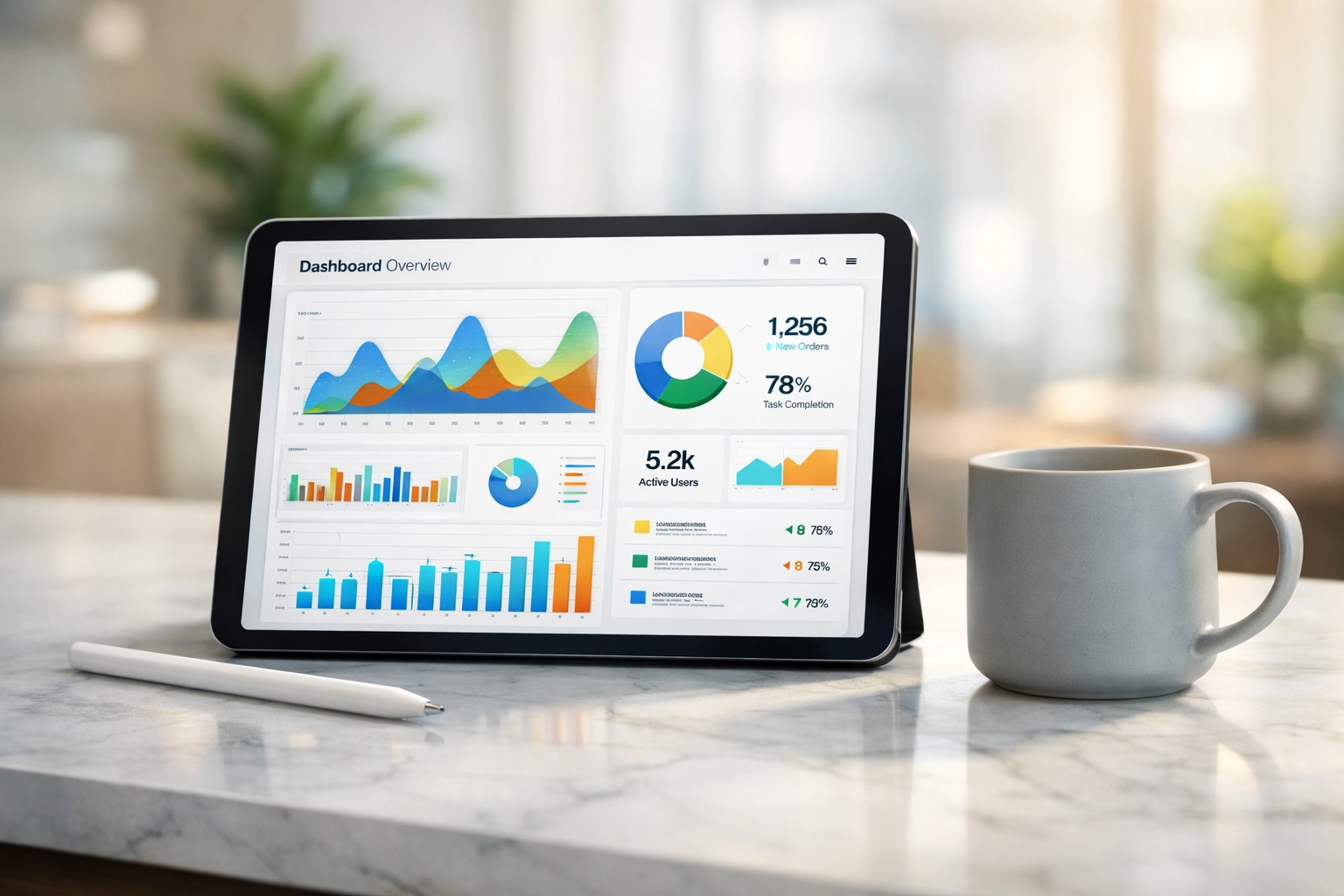
A centralized management console is essential. Service Bureau owners require a unified dashboard to monitor:
- E-file status across all sub-sites.
- Revenue share and bank product rebates.
- Software adoption rates.
- Security compliance status of individual EROs.
Blockchain for Data Integrity and Security
Blockchain technology in 2026 provides a secure method for document storage and identity verification.
Secure Document Vaults
Utilize decentralized storage for sensitive taxpayer data. Blockchain ensures that a permanent, tamper-proof record of every document upload and modification exists. This provides an immutable audit trail, which is necessary for defending against IRS audits or professional liability claims.
Identity Management
Verify the identity of sub-office owners and tax preparers through blockchain-based credentials. This reduces the risk of unauthorized access to the Service Bureau’s main software environment and protects the integrity of the Electronic Filing Identification Number (EFIN).
Implementation Steps for Service Bureau Owners
Building this infrastructure requires a phased approach.
Phase 1: Infrastructure Assessment
- Audit current hardware and software limitations.
- Transition local data storage to a secure cloud environment.
- Review the TIG Tax Pros terms and conditions to ensure compliance with provider standards.
Phase 2: Tool Integration
- Implement a centralized CRM for ERO communication.
- Integrate AI data extraction tools into the tax preparation workflow.
- Deploy an automated onboarding portal for new TIG Tax Pros partners.
Phase 3: Scaling and Optimization
- Monitor system performance during the initial peak period.
- Use analytics to identify bottlenecks in the ERO support ticket system.
- Adjust resource allocation based on real-time usage data.

Cybersecurity and Regulatory Compliance
Infrastructure must be built with a "security-first" mindset. Regulatory requirements for data protection are increasingly stringent.
Encryption Standards
All data, both at rest and in transit, must use advanced encryption protocols (AES-256 or higher). Multi-factor authentication (MFA) is a mandatory requirement for all users accessing the Service Bureau platform.
Data Localization
Ensure that data storage complies with state-specific regulations. Some jurisdictions require tax data to be stored within certain geographic boundaries. Service Bureau infrastructure must be capable of routing data to specific regional servers to meet these legal obligations.
Professional Services Expansion
Growth in 2026 is driven by professional services expansion. Hosting providers and Service Bureaus are moving toward becoming technical partners for their EROs.
Providing hands-on technical support for software installation, network security, and compliance training creates a higher-value relationship. This model improves the average revenue per user (ARPU) and increases retention rates. Service Bureaus that provide comprehensive services beyond simple software access will dominate the market.
Technical Support Infrastructure
A scalable support system does not rely solely on human agents.
Knowledge Bases and Self-Service
Maintain a comprehensive, searchable knowledge base. This allows EROs to resolve common technical issues without contacting support staff. Link to resources such as tax preparer certification requirements and software tutorials.
Automated Ticketing Systems
Use AI-driven ticketing systems to categorize and prioritize support requests. High-priority issues, such as e-file rejections or bank product funding delays, should be automatically routed to senior technicians.

Conclusion on Scaling Infrastructure
Scalable Service Bureau infrastructure in 2026 is defined by automation, cloud-native design, and a shift toward productized services. By reducing the dependency on manual processes, Service Bureau owners can manage more EROs with fewer internal resources. Focus on implementing unified dashboards and AI-driven fraud detection to maintain a competitive edge in the professional tax preparation industry.
For more information on expanding your tax business, visit the TIG Tax Pros blog.