
Due diligence isn't just a compliance checkbox. It's your first line of defense against IRS audits, preparer penalties, and the stress that comes with both.
Tax professionals face increasing scrutiny from the IRS, especially when red flags appear on client returns. The good news? Most audit triggers are preventable with proper due diligence protocols.
Here are seven common mistakes that flag returns for examination: and how to avoid them.
1. Missing or Mismatched Income Reporting
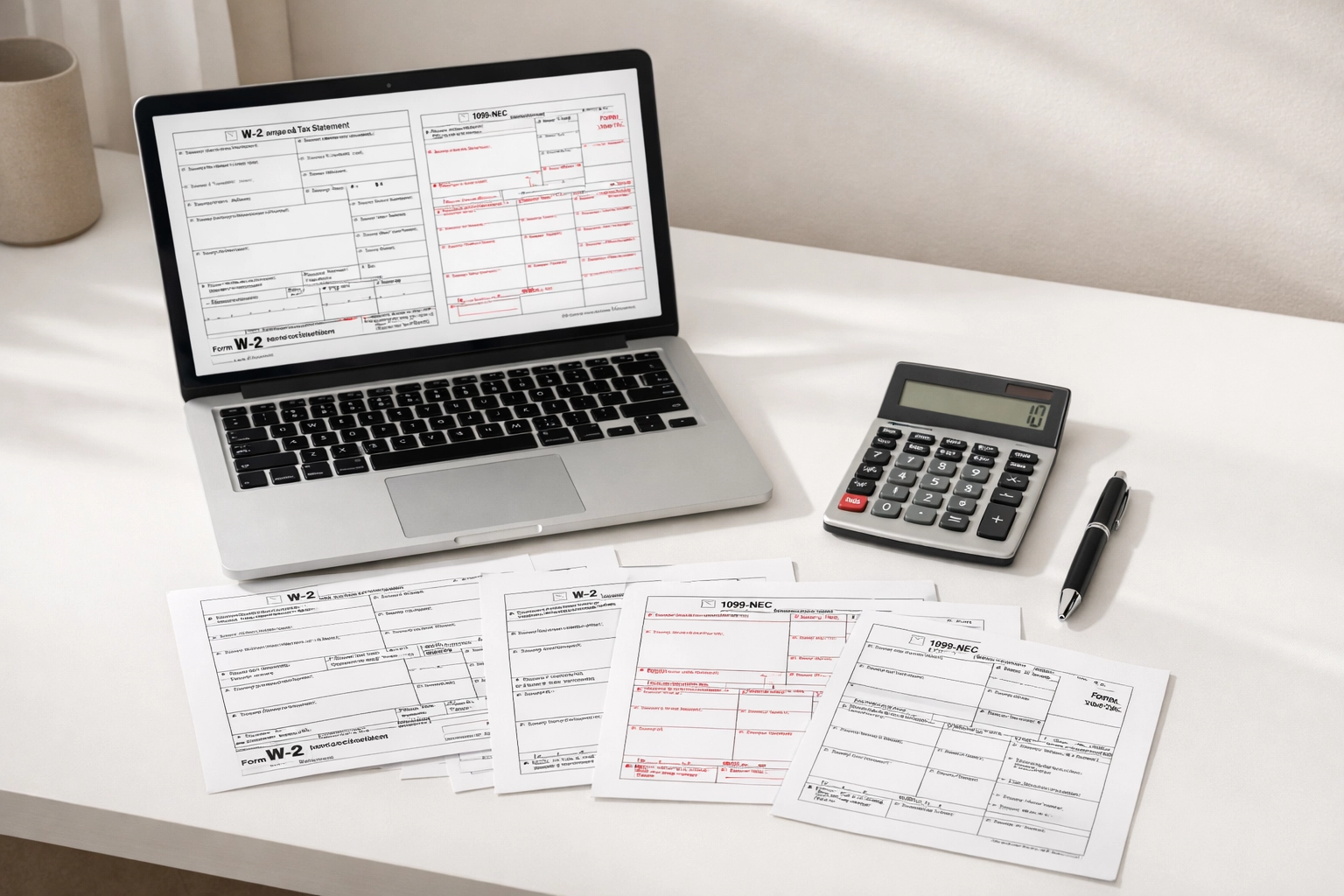
Unreported income ranks as the top IRS audit trigger. The IRS receives copies of every W-2, 1099, and information return your clients receive. Their automated systems match these documents against filed returns.
Even small discrepancies trigger correspondence.
Your due diligence checklist:
- Request copies of all income documents from clients before preparing returns
- Use Form 4506-C to verify wage and income transcripts directly from IRS records
- Document your income verification process in client files
- Create a checklist clients sign confirming they've provided all income documents
- Flag returns with gig economy income, cryptocurrency transactions, or rental income for extra review
When income appears missing or inconsistent, ask specific questions. Document both your questions and client responses in writing.
2. Math Errors and Form Inconsistencies
Simple calculation errors and data entry mistakes account for millions of IRS notices annually. These include transposed digits, typos, missing taxpayer identification numbers, and mismatched information between forms.
A W-2 showing $52,000 in wages paired with a return reporting $50,200 will trigger a notice.
Your due diligence protocol:
- Run software error checks before e-filing every return
- Verify Social Security numbers against Social Security cards, not just driver's licenses
- Cross-check dependent information with birth certificates or school records
- Compare form totals manually, not just relying on software
- Build a two-person review system for all returns before submission
Math errors don't always result in full audits. But they invite IRS attention and create preparer liability exposure.
3. Disproportionate Deductions for Income Level
The IRS uses DIF (Discriminant Index Function) scoring to compare each return against statistical norms. Returns with deductions significantly higher than similar taxpayers in the same income bracket get flagged.
Claiming $45,000 in business expenses on $60,000 of self-employment income will trigger scrutiny.
Your protection strategy:
- Review total deductions as a percentage of income before filing
- Question deductions that exceed 40% of gross income
- Require documentation for all deductions over $500
- Use IRS Publication 535 benchmarks to assess reasonableness
- Document why legitimate high deductions are necessary and ordinary for the client's specific business or situation
Large deductions aren't automatically disallowed. But they require solid documentation and a clear business purpose.

4. Improper Charitable Donation Documentation
Charitable contributions face strict substantiation requirements. Noncash donations over $5,000 need qualified appraisals, completed Form 8283 Section B, written acknowledgment from the charity, and maintained records.
Many tax pros accept client estimates without proper documentation.
Your documentation requirements:
- Require written acknowledgment from charities for any single donation over $250
- Obtain qualified appraisals for noncash donations exceeding $5,000
- Verify appraisers meet IRS qualification standards
- Complete Form 8283 Section B for all required donations
- Keep contemporaneous records showing donation dates, amounts, and property descriptions
If clients can't provide proper documentation, you can't claim the deduction. Period.
5. Questionable Home Office Deductions
Home office deductions carry historical baggage from decades of abuse. The IRS scrutinizes these claims closely.
The space must be used "regularly and exclusively" for business. A bedroom that doubles as an office doesn't qualify.
Your verification process:
- Request photos of the claimed home office space
- Calculate square footage using floor plans or measurements, not estimates
- Verify the space isn't used for personal purposes
- Confirm clients maintain a separate business location if they have one
- Document that the home office is the principal place of business or used to meet clients
Common mistakes include claiming shared spaces, overstating square footage, or using simplified method calculations incorrectly.

6. Rounded or Estimated Expenses
Suspiciously round numbers suggest estimation rather than actual record-keeping. Reporting exactly $5,000 in travel expenses, $10,000 in supplies, and $3,000 in advertising raises immediate red flags.
The IRS expects precise numbers backed by receipts and records.
Your record-keeping standards:
- Require actual receipts for all business expenses over $75
- Use mileage logs for vehicle deduction claims, not estimates
- Verify expense amounts match bank statements or credit card records
- Question perfectly round numbers during client interviews
- Document expenses to the penny when records support precision
Rounding to the nearest dollar is acceptable. Rounding to the nearest thousand isn't.
7. EITC Claims Without Proper Due Diligence
Earned Income Tax Credit errors face some of the highest audit rates. Three mistakes account for over 60% of erroneous EITC claims: claiming children who don't meet all qualifying tests, income reporting errors, and failure to document eligibility.
Tax preparers have specific due diligence obligations for EITC returns.
Your EITC compliance checklist:
- Complete Form 8867 for every EITC, CTC, AOTC, or HOH claim
- Verify qualifying child relationships with birth certificates or custody documents
- Confirm qualifying children meet age, relationship, residency, and joint return tests
- Document client interviews with specific questions and answers
- Maintain copies of all supporting documents in client files for three years
The "knowledge requirement" demands you apply a reasonableness standard. If information appears incorrect, incomplete, or inconsistent, you must make additional inquiries and document everything.
Building Your Due Diligence Defense
Due diligence failures can result in preparer penalties ranging from $560 to $2,320 per return. More importantly, they expose your practice to IRS examination and potential loss of PTIN privileges.
Create a systematic approach:
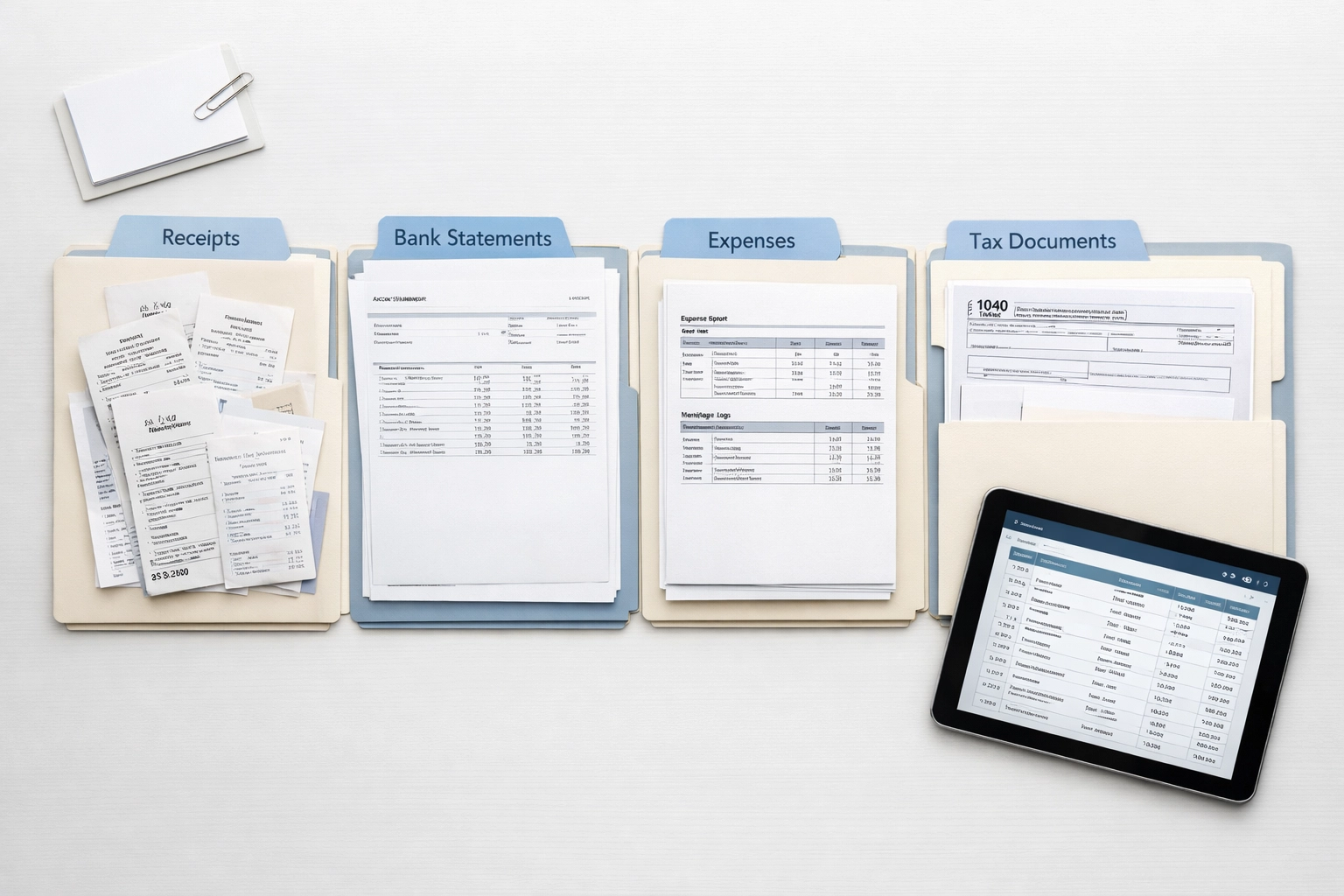
Start with intake forms that collect comprehensive client information. Build checklists for common audit triggers. Implement review procedures before any return leaves your office. Document everything: client conversations, verification steps, supporting documents, and your decision-making process.
When client information seems questionable, ask follow-up questions. If answers don't resolve your concerns, decline to prepare the return or file without the questionable items.
Your Next Steps
Review your current due diligence procedures against these seven audit triggers. Identify gaps in your verification processes. Build documentation protocols that protect both your clients and your practice.
Due diligence isn't just about avoiding audits. It's about maintaining professional standards, protecting your reputation, and building a sustainable tax practice.
The IRS is watching. Make sure your due diligence procedures can stand up to scrutiny.