
SEO Title: 5 Steps to Modernize Your ERO Infrastructure Today
Slug: modernize-ero-infrastructure-steps
Excerpt: Discover how to update your ERO infrastructure to improve security, efficiency, and compliance. Essential modernization steps for professional tax businesses.
Tags: ERO Infrastructure, Tax Business Growth, IRS Compliance, Tax Software, EFIN, Service Bureau
The landscape of professional tax preparation is undergoing a rapid digital transformation. For an Electronic Return Originator (ERO), infrastructure is no longer just about having a computer and a printer. It encompasses the entire technological and procedural framework used to collect data, process returns, and communicate with the IRS. As we move further into 2026, legacy systems are becoming liabilities, increasing the risk of data breaches and operational bottlenecks.
Modernizing your ERO infrastructure is essential for maintaining a competitive edge and ensuring regulatory compliance. This guide outlines five concrete steps to transition your practice into a modern, high-efficiency operation.
1. Implement a Comprehensive Security Framework (WISP)
The IRS requires every professional tax preparer to have a Written Information Security Plan (WISP). Modernization begins with securing your infrastructure against evolving cyber threats. A legacy setup: relying on local hard drives and standard consumer-grade antivirus: is insufficient for the current regulatory environment.
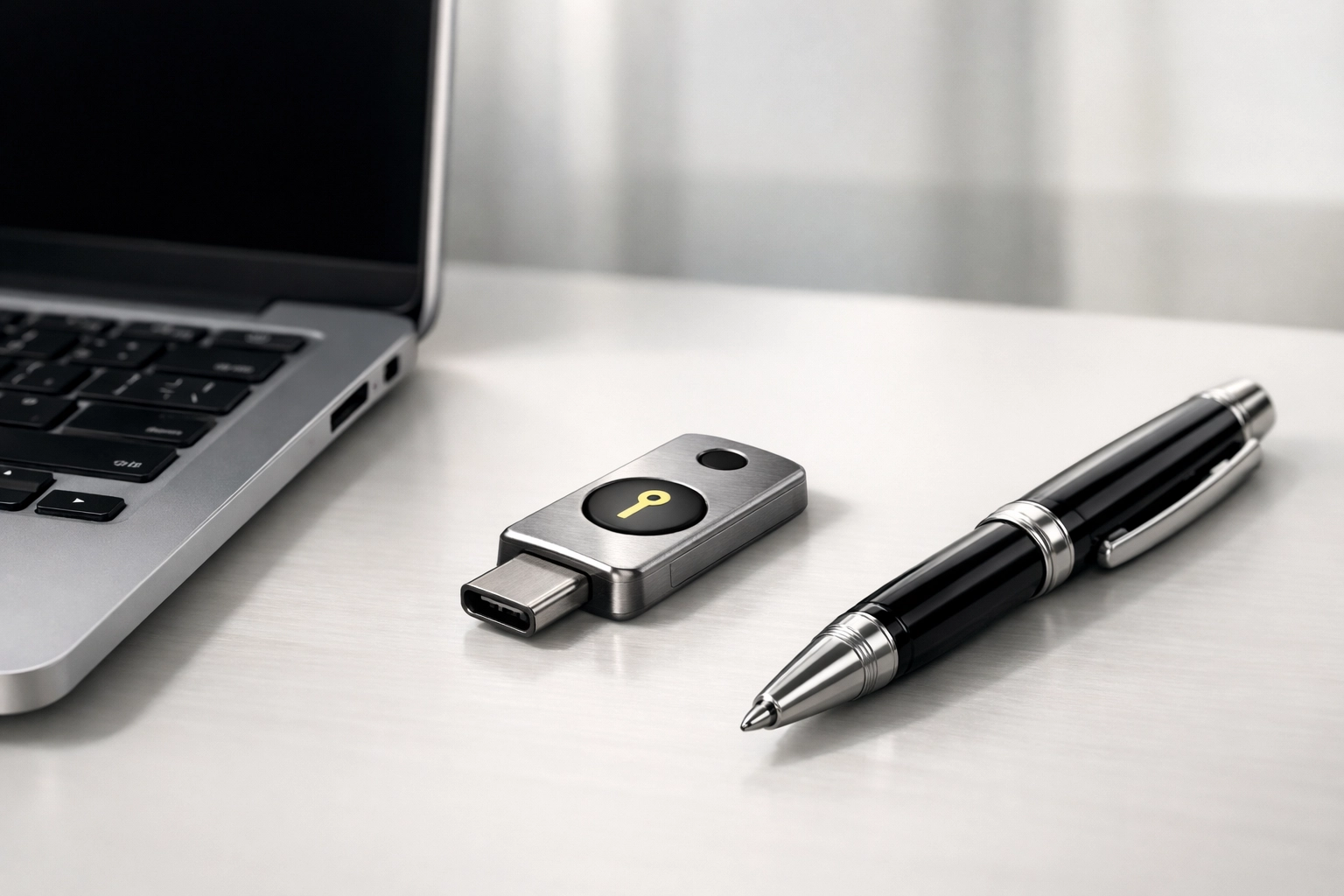
Modern ERO infrastructure must include multi-factor authentication (MFA) across all platforms, end-to-end encryption for client communications, and robust cloud-based backups. Data at rest and data in transit must be protected according to IRS Publication 4557 standards.
To begin this step:
- Perform a thorough audit of your current hardware and software to identify vulnerabilities.
- Draft or update your WISP to reflect current digital workflows.
- Implement hardware-level security, such as encrypted drives and secure VPNs for remote access.
For detailed strategies on securing your practice, refer to our guide on identity theft protection for tax professionals.
2. Transition to Cloud-Based Tax Software and Storage
The shift from desktop-bound software to cloud-based Software as a Service (SaaS) is a hallmark of the modern ERO. Local installations create silos, making it difficult to scale and increasing the risk of data loss due to hardware failure.
Cloud-native professional tax software allows for real-time collaboration between team members, regardless of their physical location. This is particularly critical for EROs managing multiple offices or remote preparers. Cloud storage solutions also offer automated version control and superior disaster recovery capabilities compared to local servers.
Modernization in this area involves:
- Moving client files to a secure, IRS-compliant document management system.
- Integrating your tax software with other business tools via APIs.
- Reducing reliance on physical paper by adopting digital signatures (e-signatures) for all IRS forms and bank documents.
3. Automate Client Data Collection and Portals
A significant bottleneck in ERO operations is the manual collection of tax documents. Modernizing your infrastructure means removing the "paper chase." Secure client portals are now the industry standard for professional tax practices.
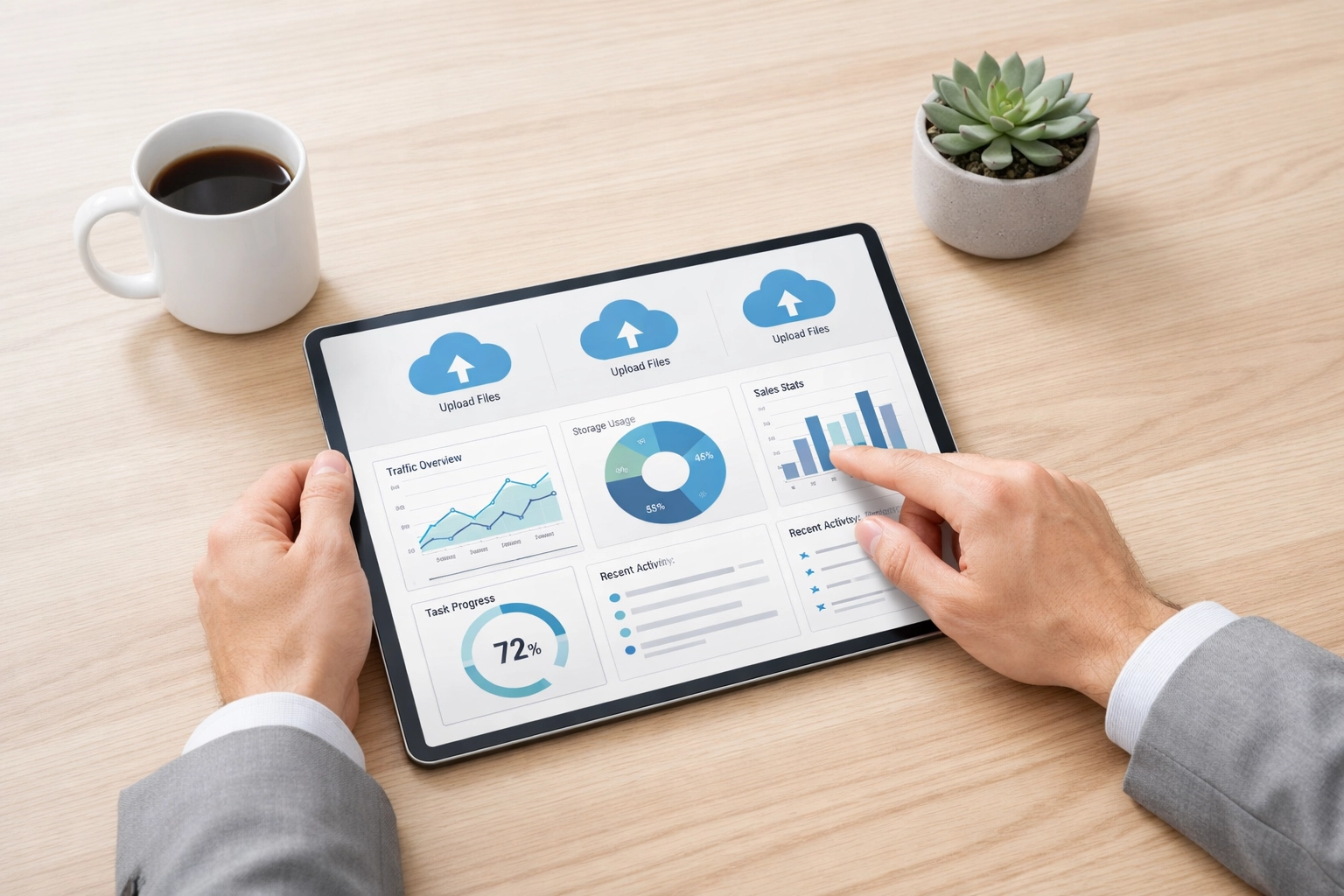
By implementing an automated document collection system, you can provide clients with a secure link to upload W-2s, 1099s, and other sensitive information. These systems can be programmed to send automated reminders, significantly reducing the administrative burden on your staff.
Key features of a modernized client interface include:
- Mobile-friendly upload capabilities for clients.
- Automated status updates that inform clients where their return stands in the queue.
- Integration with your tax software to prepopulate data fields where possible.
Using these tools not only improves internal efficiency but also enhances the professional image of your business. If you are looking to grow quickly, these quick tips to grow your tax business highlight the importance of client-facing technology.
4. Audit and Update Compliance Protocols
Infrastructure modernization includes the procedural elements of your ERO status. The IRS periodically updates requirements for EFIN holders and EROs. Staying compliant requires more than just submitting a renewal; it requires a proactive approach to professional development and adherence to the latest circulars.
In 2026, compliance includes ensuring that all sub-preparers are properly registered and that your EFIN is used only in authorized locations. If you are operating under a Service Bureau model, your infrastructure must clearly distinguish between the roles of the ERO and the software provider.
Key compliance steps:
- Regularly check the e-file application on the IRS e-services portal to ensure your EFIN status is "Active."
- Update your internal training manuals to include the latest tax law changes and crypto compliance requirements.
- Ensure all staff members meet the latest tax preparer certification requirements.
For those navigating the complexities of EFIN requirements, understanding the difference between ERO services and having your own EFIN is vital for your infrastructure planning.
5. Leverage Service Bureau Resources for Scalability
For many EROs, building a custom, high-end tech stack from scratch is cost-prohibitive. This is where modernizing through a Service Bureau or professional tax partner becomes strategic. A Service Bureau provides the infrastructure: tax software, tech support, and often bank product integration: allowing the ERO to focus on client acquisition and return preparation.
A modernized infrastructure often utilizes a "business-in-a-box" approach provided by partners like TIG Tax Pros. This model gives you access to enterprise-level software and support systems without the overhead of maintaining individual licenses and server environments.
When choosing a partner to modernize your infrastructure, look for:
- Comprehensive technical support during the peak of tax season.
- Access to multiple bank products to offer clients refund advance options.
- Robust training programs for new and experienced preparers.
To explore how to integrate these resources into your practice, you can become a TIG Tax Pro and leverage our established infrastructure to grow your business.
Summary of Modernization Objectives
Modernizing your ERO infrastructure is a multi-phased project. It begins with a shift in mindset from physical security to digital resilience. By moving to the cloud, automating the intake of data, and strictly adhering to IRS compliance standards, you create a foundation that can handle increased volume with less manual effort.
Whether you are a solo practitioner or managing a team, the goal is to create a seamless, digital workflow that protects both your business and your clients. Infrastructure that is stagnant is a risk; infrastructure that is modernized is an asset.
For those ready to launch or overhaul their practice, the essential ERO services checklist provides a roadmap for rapid implementation.
Ensuring your business is equipped for the 2026 tax season requires immediate action. Evaluate your current systems against these five steps and begin the upgrade process today to ensure your practice remains compliant, secure, and profitable.