
seo_title: Ohio ERO Requirements: 10 Service Bureau Infrastructure Facts
slug: ohio-service-bureau-infrastructure-ero-requirements
excerpt: Ohio EROs face specific compliance requirements for electronic filing. Learn 10 critical infrastructure and operational mandates for service bureau operations.
tags: ERO Operations, Service Bureau, Ohio Tax Law, Electronic Filing, Compliance, State Requirements
Electronic Return Originators operating in Ohio must comply with state-specific infrastructure requirements beyond federal mandates. Ohio's Department of Taxation enforces distinct regulations affecting service bureau operations, filing protocols, and client management systems.
1. Paper Filing Threshold and Penalty Structure
Ohio allows paid tax preparers to file 11 paper returns annually before mandatory electronic filing requirements activate. Returns exceeding this threshold filed on paper incur a $50 penalty per return.
Preparers can request exemption from the e-File mandate by submitting form IT EF OPT OUT. The Ohio Department of Taxation reviews exemption requests case-by-case. Approved exemptions do not eliminate the requirement to obtain proper identification numbers.

2. Registration and Identification Number Requirements
EROs must maintain both an Electronic Transmitter Identification Number (ETIN) and Preparer Tax Identification Number (PTIN). Registration with the IRS Fed/State e-File program automatically registers the ERO with Ohio's system.
No separate Ohio registration process exists for EROs already enrolled in the federal program. This streamlined approach requires EROs to maintain current status with the IRS to preserve Ohio filing privileges.
3. Account Information Update Protocols
E-services account information must be updated within 30 days of any change to:
- Physical address
- Telephone number
- Email address
- Business structure
- Responsible individual designation
EROs collecting information from taxpayers for federal income tax returns must provide website addresses in their account profiles. This requirement supports Ohio's oversight and taxpayer protection initiatives.
4. Identity Verification Standards
Ohio requires EROs to confirm the identity of all parties listed on tax returns. Acceptable government-issued identification includes:
- Driver's licenses
- Passports
- Military identification cards
- Voter identification cards
- Valid visas

New taxpayer intake procedures must include inspection of Social Security cards or ITIN letters. W-2 identification numbers require verification against Social Security documentation. These protocols apply to all service bureau clients regardless of filing method.
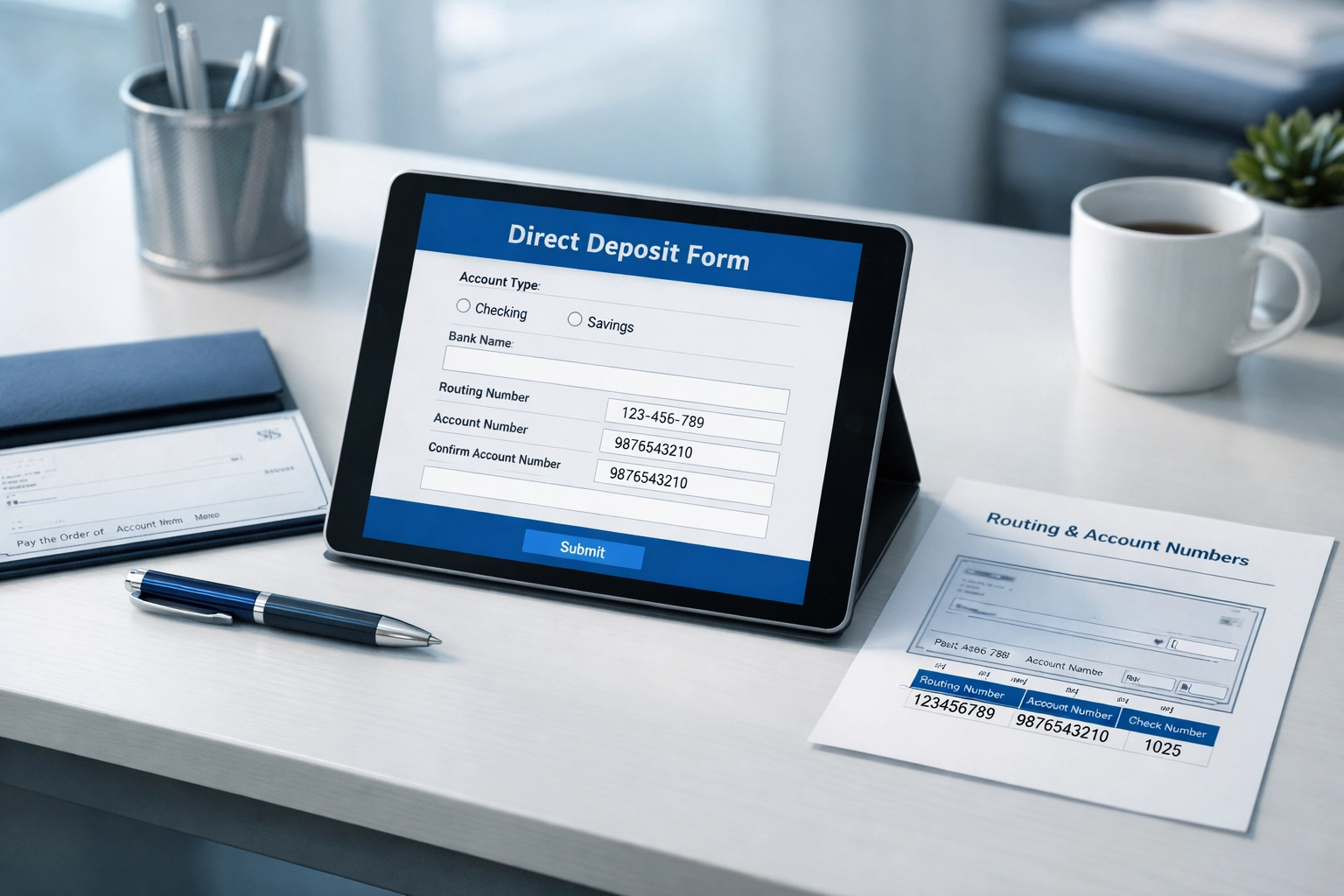
5. Direct Deposit Operational Restrictions
EROs cannot charge separate fees for direct deposit services. No portion of taxpayer refunds may be deposited into ERO or service bureau accounts.
Service bureaus must accept direct deposit elections to any eligible financial institution designated by the taxpayer. System infrastructure must prevent routing number and account number modifications after initial setup completion.
These restrictions protect taxpayers from refund diversion schemes and maintain the integrity of the electronic filing system.
6. Filing Timeline Mandates
EROs must file returns within three days of obtaining client signatures. This requirement applies to both electronically signed and physically signed returns.
Returns cannot be filed before receiving Form W-2, W-2G, or Form 1099-R. If these forms cannot be obtained, EROs must use Form 4852 (Substitute for Form) with appropriate documentation.
Service bureau systems must track signature dates and filing dates to maintain compliance. Automated workflows help EROs meet the three-day requirement during peak filing periods.
7. Electronic Signature Compliance Framework
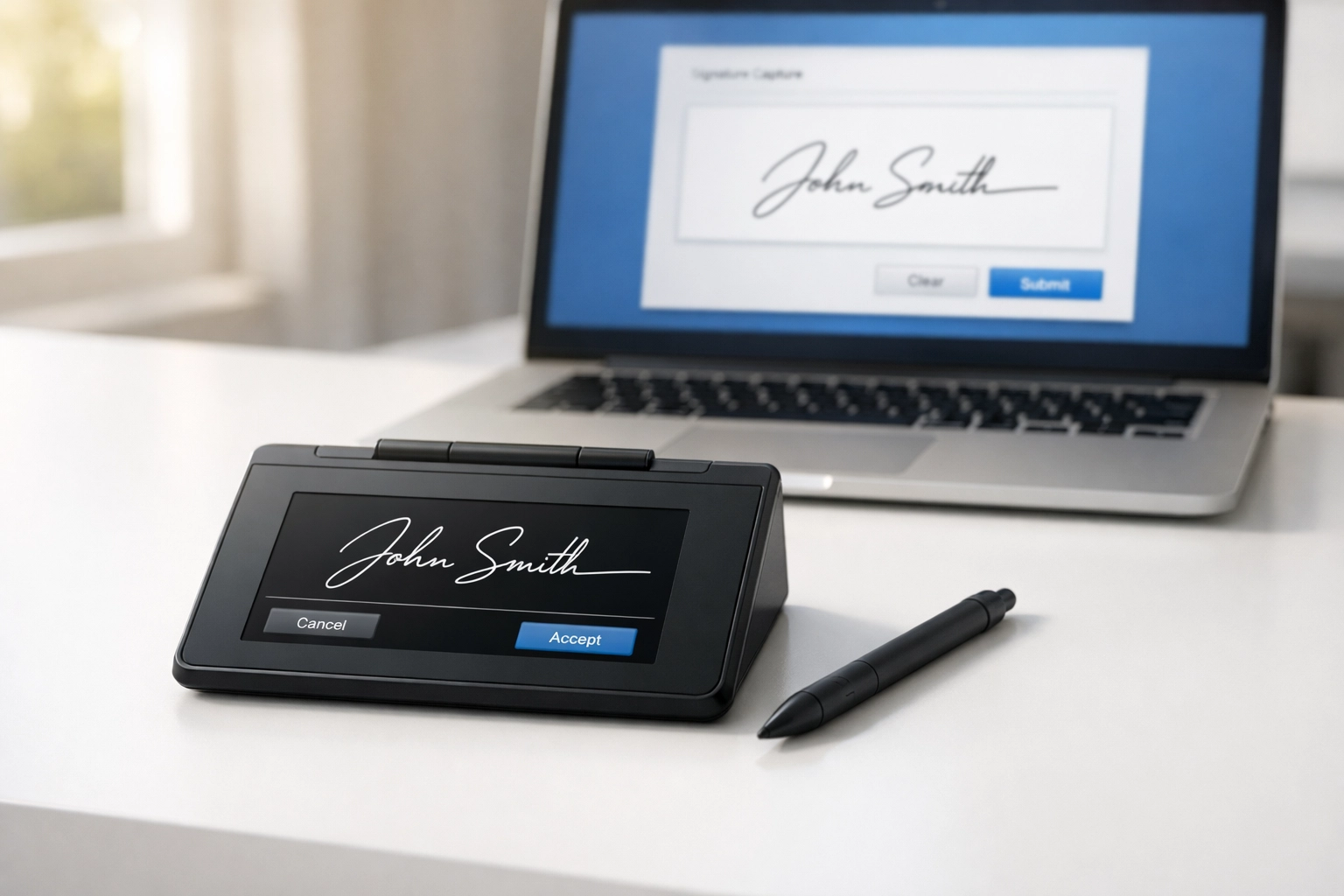
Ohio accepts multiple electronic signature methods:
- Handwritten signatures on electronic pads
- Stylus signatures on touchscreens
- Digitized signature images
- Typed names in signature blocks on secure websites
Remote signature collection requires capture of:
- Digital signature image
- Date and time of signature
- IP address of signer
- Evidence verifying signer identity
Service bureau platforms must generate and store this metadata for each electronically signed return. Documentation must be retained according to IRS and Ohio record retention requirements.
8. Enhanced EITC Due Diligence Requirements
EROs who also prepare returns face additional due diligence requirements for Earned Income Tax Credit claims. EITC represents a high-risk area for fraud and errors.
Enhanced procedures include:
- Verification of qualifying child relationships
- Documentation of residency requirements
- Income source validation
- Filing status confirmation
Service bureaus supporting EROs must provide tools and checklists that facilitate EITC due diligence. System prompts and validation checks reduce compliance risk.
9. Information Security Plan Requirements
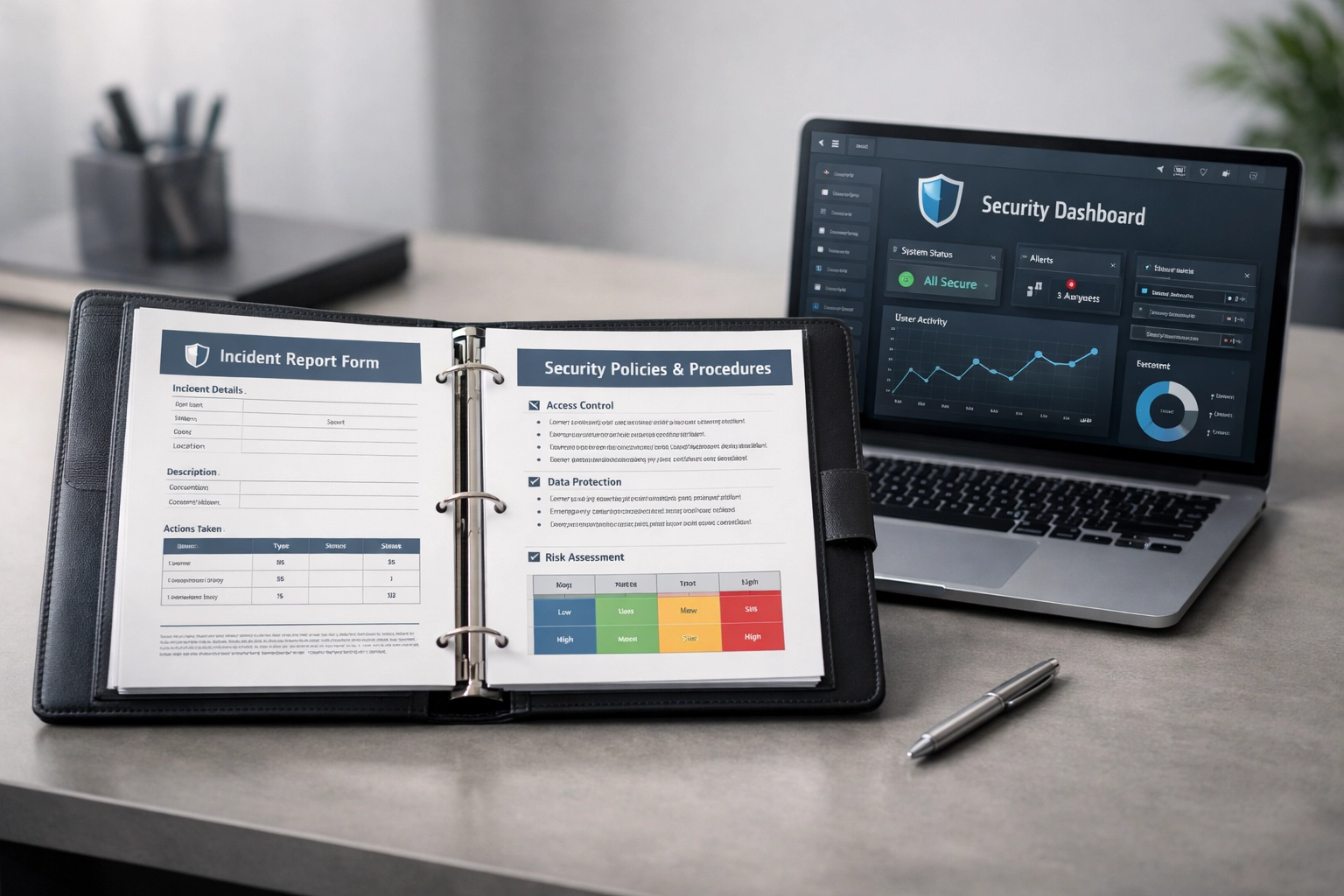
EROs must create written Information Security Plans using IRS Publication 5708 as a guideline. Plans must address:
- Physical security measures
- Electronic security protocols
- Employee training programs
- Data breach response procedures
- Client information protection
Multi-factor authentication is required beyond basic password security. Service bureau infrastructure must support these authentication requirements.
Regular security assessments identify vulnerabilities in ERO operations. Annual updates to Information Security Plans maintain compliance with evolving threats.
10. Program Revocation Risk Factors
The Ohio Department of Taxation can revoke electronic filing acceptance for just cause. Revocation triggers include:
- Criminal convictions related to tax preparation
- Dishonest conduct or fraud
- Failure to file timely and accurate returns
- Unpaid tax liabilities
- Unethical professional practices
- IRS suspension from e-File program
- Consistent transmission of error-filled returns
Service bureau relationships do not shield EROs from revocation. Each ERO maintains individual responsibility for compliance regardless of infrastructure support.
Revocation eliminates the ability to file returns electronically in Ohio. EROs facing revocation must address deficiencies and apply for reinstatement through formal procedures.
Infrastructure Implementation Requirements
Ohio's service bureau requirements affect system selection, workflow design, and operational procedures. EROs evaluating service bureau partnerships must verify that infrastructure supports Ohio-specific mandates.
Critical system capabilities include:
- Automated compliance tracking
- Signature metadata capture
- Account update workflows
- Identity verification tools
- Security protocol enforcement
Service bureau agreements should specify responsibility for maintaining Ohio compliance features. Clear contractual terms protect EROs from infrastructure-related violations.
Compliance Verification Procedures
EROs should implement quarterly compliance reviews covering Ohio-specific requirements. Review checklists should address each of the ten infrastructure mandates.
Documentation of compliance efforts provides evidence during audits or investigations. Service bureaus can support these reviews through compliance reports and system audits.
Proactive compliance management reduces revocation risk and maintains uninterrupted filing capabilities throughout tax season.
Related Resources: