

The days of cramming everything into tax season are over. If you're still running your practice like it's 2020, you're already behind. The most successful tax firms in 2026 aren't just surviving the seasonal chaos, they're thriving by spreading their workload across the entire year.
Here's the thing: your clients need you more than just four months a year. And honestly, you probably need the consistent revenue stream too. Let's break down exactly how to transform your seasonal practice into a year-round powerhouse.
The Reality Check: Why Seasonal Doesn't Work Anymore
Think about it. Every January, you're scrambling to hire temporary staff, training them on the fly, and crossing your fingers that everything gets done on time. Meanwhile, your experienced team burns out, your client service suffers, and you're leaving money on the table for eight months of the year.
The firms crushing it in 2026 have figured out something crucial: it's better to optimize your existing capacity than to throw more bodies at the problem. Instead of seasonal hiring sprees, they're building systems that work smarter, not harder.

The TIG Framework: Your 4-Pillar Year-Round Strategy
Pillar 1: Capacity-First Service Design
Stop trying to be everything to everyone. Seriously. The most profitable firms in 2026 are saying "no" to work that doesn't make sense.
Here's what you need to do:
Conduct a brutal time audit. Track where your senior staff spends their time for two weeks. You'll be shocked at how much high-value time gets wasted on work that junior staff could handle.
Create service tiers based on complexity, not just price. Your premium clients get the full treatment year-round. Mid-tier clients get structured check-ins during specific windows. Basic clients get efficient, streamlined service with clear boundaries.
Build repeatable frameworks for common situations. Instead of reinventing the wheel every time, create documented processes for recurring scenarios. This lets you deliver consistent quality while freeing up brain space for complex problem-solving.
Pillar 2: Strategic Technology Integration
Technology isn't just about buying software: it's about building systems that work together seamlessly.
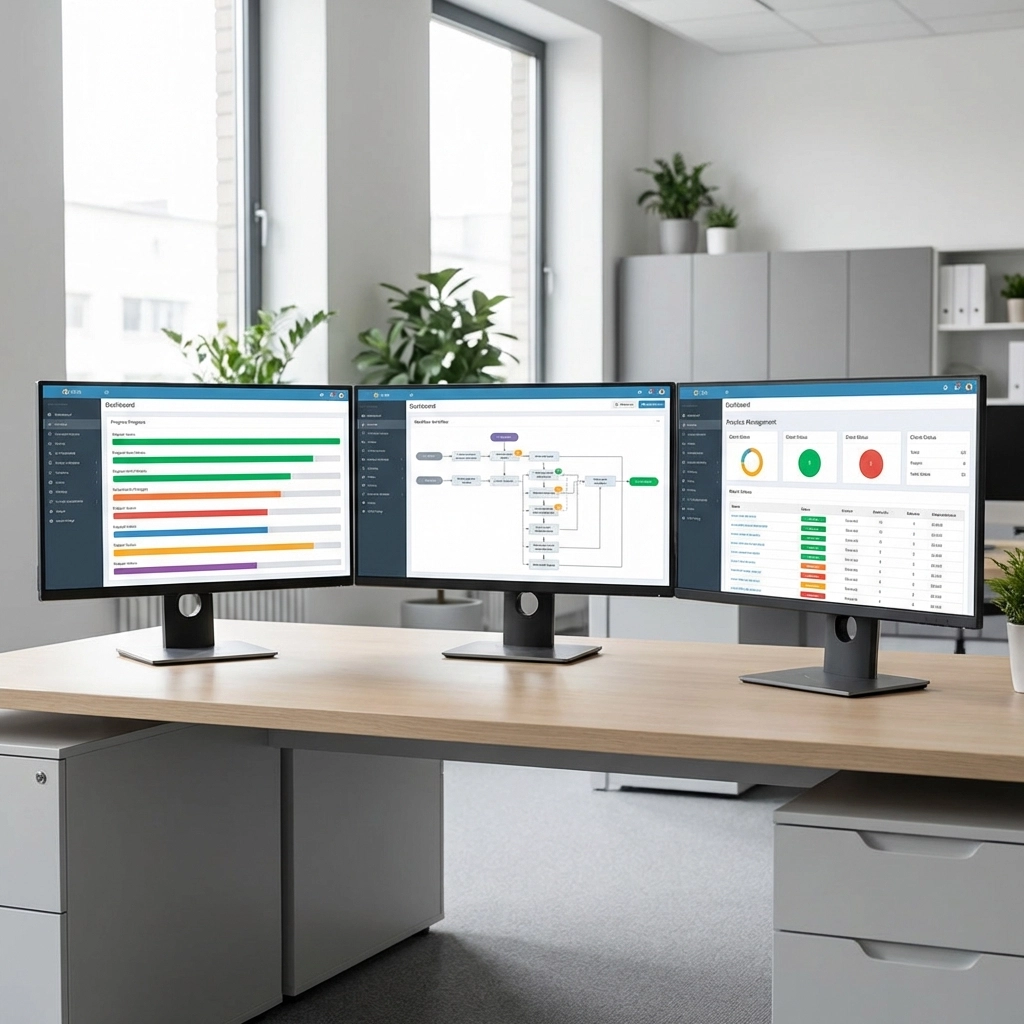
Deploy practice management as your command center. Your practice management system should track every return from initial contact to final filing. If you can't see where each project stands at any moment, you need a better system.
Key features to prioritize:
- Real-time workload visibility
- Automated client communication
- Task matching based on staff expertise
- Deadline tracking with buffer time
Automate the repetitive, verify the critical. Use automation tools for document processing and data entry, but build verification checkpoints. Have staff manually test samples of automated work to catch errors before they become problems.
Pillar 3: Year-Round Client Engagement Strategy
This is where you separate yourself from the competition. While other firms go dark after April, you're providing value all year long.
Schedule planning sessions in Q2-Q3, not December. Don't wait for tax law certainty that may never come. Build scenario models with your top clients during the summer when you actually have time to think strategically.
Create 2-3 different scenarios based on potential legislative changes. Give each scenario clear decision triggers. This way, when changes do happen, you're ready to pivot immediately instead of scrambling.
Implement entity-by-entity planning throughout the year. For clients with complex structures, spread the analysis across multiple quarters. Model effective tax rates, credit utilization, and planning opportunities continuously rather than cramming everything into year-end.
Pillar 4: Proactive Compliance Management
The firms getting ahead of compliance requirements in 2026 aren't waiting until the last minute. They're building compliance into their year-round workflow.
Start Pillar 2 and country-by-country reporting prep in January. These requirements can't be implemented as afterthoughts. Use early 2026 to design your compliance operating model and test your processes by jurisdiction.
Create compliance calendars for each client type. Different entities have different requirements throughout the year. Map these out and build buffer time into every deadline.

Implementation Roadmap: Your Next 90 Days
Month 1: Assessment and Planning
- Complete time audit of senior staff
- Review current client mix and profitability
- Evaluate existing technology stack
- Identify top 20% of clients for year-round engagement
Month 2: System Setup
- Implement or upgrade practice management system
- Create service tier documentation
- Build scenario modeling templates
- Design compliance calendar framework
Month 3: Client Communication and Testing
- Roll out year-round engagement to top clients
- Test automation tools with verification protocols
- Schedule Q2 planning sessions
- Document and refine processes based on early results
Staffing Strategy: Quality Over Quantity
Forget about seasonal hiring. Focus on building a core team that can handle capacity efficiently year-round.
Delegate strategically, not desperately. Document clear criteria for what requires senior judgment versus what others can handle. This isn't about dumping work: it's about matching expertise to complexity.
Create decision frameworks that others can follow. Instead of being the bottleneck for every decision, build documented guidelines that allow your team to handle routine situations independently.
Invest in training during slower periods. Use the time between busy seasons to upskill your existing team rather than starting from scratch with temporary staff each year.

Managing the Transition
The shift to year-round operations won't happen overnight. Start with your most profitable clients and gradually expand your capacity.
Set realistic expectations with clients. Explain that you're moving to a more strategic, year-round approach that will provide better service and planning opportunities.
Track metrics that matter. Monitor client satisfaction, team utilization, and revenue distribution across quarters. This data will guide your refinements.
Be prepared to say no. As you implement these changes, you'll discover that some clients or types of work no longer make sense for your model. That's okay: and necessary.
The Bottom Line
The tax industry is changing whether you participate or not. Firms that cling to seasonal models will struggle with talent shortages, client churn, and inconsistent revenue. But firms that embrace year-round operations will build sustainable, profitable practices that serve clients better and create better working conditions for their teams.
The framework is straightforward: optimize capacity instead of adding bodies, use technology strategically, engage clients year-round, and build compliance into your ongoing workflow. The question isn't whether you can afford to make these changes: it's whether you can afford not to.
Start with one pillar. Pick the area where you're feeling the most pain right now and implement those changes first. Once you see the results, expanding to the other pillars becomes much easier.
Your competition is probably still planning their next seasonal hiring spree. While they're doing that, you'll be building the practice of the future.