
SEO Title: 5 Steps to Scale ERO Ops and Increase Tax Revenue
Slug: scale-ero-ops-increase-tax-revenue
Excerpt: Learn how to scale your ERO operations, optimize tax software infrastructure, and increase revenue with five professional strategies for tax business owners.
Tags: ERO Operations, Tax Business Growth, Tax Software, Revenue Operations, Professional Services, TIG Tax Pros
Scaling an Electronic Return Originator (ERO) operation requires a shift from manual, individual-focused tasks to systematized, high-volume processing. For tax business owners, the transition from a single office to a multi-site or service bureau model involves optimizing infrastructure, ensuring compliance, and leveraging advanced software solutions.
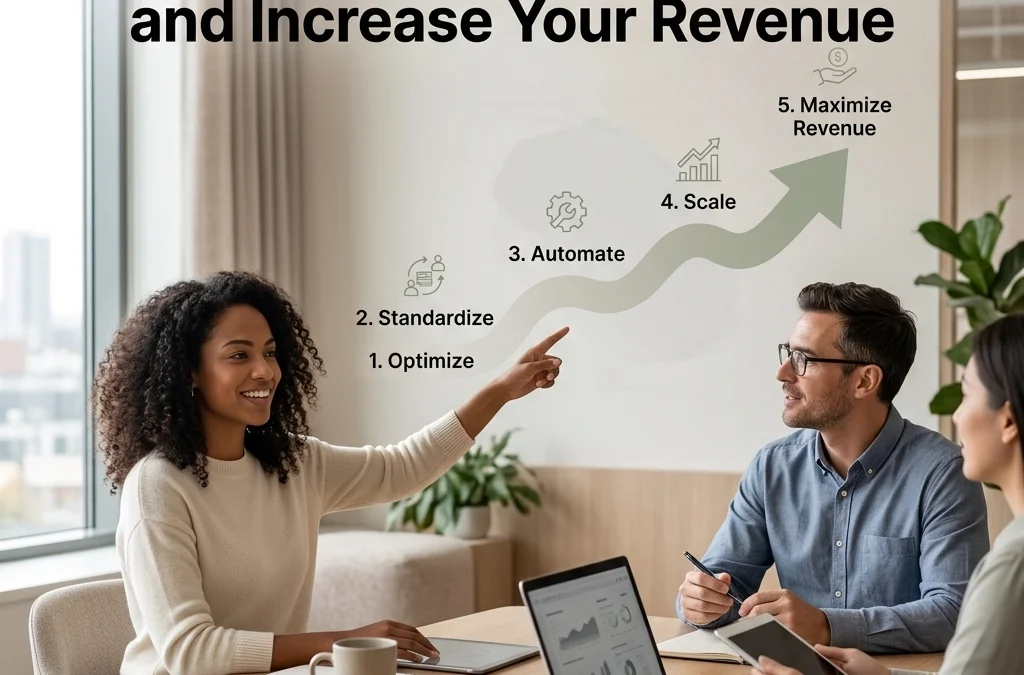
To achieve sustainable growth and increased revenue, EROs must implement structured operational frameworks. The following five steps outline the process for scaling ERO operations effectively.
1. Optimize Your Tax Software Infrastructure
The foundation of any scalable ERO operation is the software stack. Using entry-level or consumer-grade software limits the ability to handle high volumes and manage multiple preparers. Scaling requires a professional-grade platform that supports multi-user environments and centralized data management.
Transitioning to Unlimited Tax Software allows an ERO to process an unrestricted number of returns without escalating costs per filing. A centralized system ensures that the ERO can monitor all transmitted returns, track bank product funding, and manage preparer permissions from a single dashboard.
Key infrastructure requirements for scaling include:
- Cloud-Based Accessibility: Ensures preparers can work from various locations while the ERO maintains oversight.
- Real-Time Reporting: Essential for monitoring daily transmission volumes and rejection rates.
- Bank Product Integration: High-volume offices rely on refund transfers to ensure fee collection.

2. Standardize Compliance and Quality Control
As volume increases, so does the risk of IRS audits and compliance errors. Scaling an ERO business without strict quality control measures is a liability. You must establish a standard operating procedure (SOP) for every return that enters your system.
EROs are responsible for the actions of their preparers. To protect your EFIN, implement a mandatory review process. Each return should pass through a "Quality Assurance" (QA) desk before it is marked as "Ready to Transmit." This ensures that due diligence requirements, specifically for the Earned Income Tax Credit (EITC) and other refundable credits, are met.
Operationalizing compliance involves:
- Mandatory Document Uploads: Requiring digital copies of IDs and supporting documents within the software.
- Internal Audit Logs: Tracking which preparer handled specific sections of the return.
- Continuing Education: Ensuring all staff are updated on the latest tax preparer certification requirements.
Professional EROs often utilize audit protection services to provide clients with peace of mind and create an additional revenue stream. This adds a layer of security to the business while increasing the average invoice value.
3. Implement a Service Bureau Model
The most effective way to scale revenue beyond the capacity of a physical office is to become a Service Bureau. This allows you to provide software and support to other tax professionals who may not have their own EFIN or who prefer to operate under a larger umbrella.
By offering ERO services and software, you can earn a percentage of the volume generated by other preparers. This "business-in-a-box" approach shifts your revenue model from service-based to royalty and software-based.
To scale via the Service Bureau model, focus on:
- Onboarding Processes: Create a streamlined system for getting new preparers set up on your software.
- Technical Support: Providing first-tier support to your sub-offices ensures their success and your revenue stability.
- Volume-Based Pricing: Negotiate better rates with bank partners based on the combined volume of your entire network.

4. Build a Specialized Cross-Functional Team
A scalable tax business cannot rely on the owner for day-to-day tax preparation. You must transition into a CEO role, focusing on operations and business development. This requires hiring specialized roles rather than generalists.
A professional ERO team should include:
- Office Manager: Handles daily personnel and scheduling.
- Lead Reviewer: Focuses exclusively on compliance and the accuracy of returns.
- Marketing Coordinator: Manages lead generation and client retention strategies.
- Support Staff: Manages document collection and initial data entry.
Alignment across these departments is critical. When marketing brings in leads, the intake staff must be ready to process them, and the reviewers must be ready to clear them for transmission. Regular meetings to identify bottlenecks in the "lead-to-transmission" pipeline will prevent revenue loss during the peak of tax season. For more on structuring your growth, see our quick tips to grow your tax business.
5. Execute Data-Driven Marketing and Retention
Scaling revenue requires a consistent influx of new clients and a high retention rate for existing ones. Use the data within your tax software to drive your marketing decisions. Analyze your current client base to identify your Ideal Customer Profile (ICP).
Effective marketing strategies for EROs include:
- Referral Programs: Incentivize existing clients to bring in new business. Professional EROs often use "Cash in a Flash" or similar referral incentives.
- Year-Round Engagement: Don't limit communication to January through April. Use email and SMS automation to keep your brand in front of clients throughout the year.
- Digital Presence: Ensure your office is visible on search engines and social media platforms. Professional branding helps build the trust necessary to handle sensitive financial data.
To maximize revenue per client, offer ancillary services. Beyond tax preparation, consider credit repair, bookkeeping, or insurance services. This diversifies your income and makes your business a year-round operation rather than a seasonal one.

Conclusion
Scaling an ERO operation is a systematic process of upgrading technology, enforcing compliance, expanding through sub-offices, building a professional team, and utilizing data for growth. By moving away from manual processes and adopting the essential tax software and strategies used by industry leaders, you can increase your transmission volume and overall profitability.
To explore how to partner with a professional organization to help scale your operations, visit Become a TIG Tax Pro. Building a scalable business is not about working more hours; it is about building a system that works for you.