
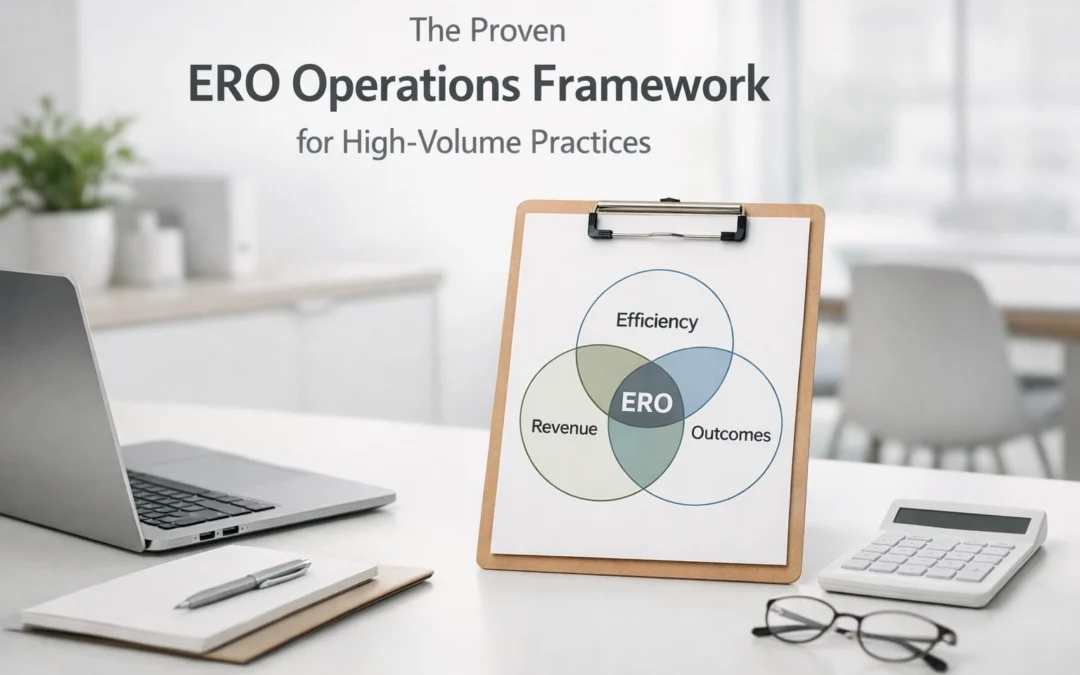
SEO Title: Proven ERO Operations Framework for High-Volume Tax Practices
Slug: ero-operations-framework-high-volume-practices
Excerpt: Learn the scalable ERO operations framework designed for high-volume tax practices. Master compliance, team management, and efficient digital workflows today.
Tags: ERO Operations, Tax Business Growth, IRS Compliance, Tax Software, Georgia Tax Laws, High-Volume Tax Practice
Managing a high-volume tax practice requires a shift from technical tax preparation to robust operational management. When a firm exceeds 500 returns per season, manual processes and informal workflows become liabilities. An Electronic Return Originator (ERO) must implement a standardized framework to maintain compliance, ensure data security, and maximize throughput without sacrificing accuracy.
This framework focuses on the essential pillars of infrastructure, compliance, workforce management, and scalable growth strategies specifically for professional tax business owners.
1. Standardizing the Technology Stack
High-volume practices cannot rely on fragmented systems. Efficiency is lost every time a preparer switches between platforms. A unified technology stack is the foundation of the ERO operations framework.
Cloud-Based Professional Tax Software
Transitioning to cloud-based SaaS solutions is mandatory for multi-office or high-volume environments. Local installations create data silos and complicate the backup process. Cloud-based platforms allow for real-time monitoring of preparer performance and centralized management of EFINs and PTINs. This ensures that the ERO has total visibility over every return in the pipeline.
Integrated Document Management
Manual scanning and physical filing are bottlenecks. A professional ERO framework utilizes integrated document management systems that allow clients to upload source documents directly into a secure portal. These documents should be automatically mapped to the taxpayer's digital folder, reducing administrative overhead.

2. Security and Compliance Infrastructure
The IRS mandates that all EROs maintain high standards of data protection. For high-volume practices, the risk of a data breach or an unauthorized EFIN use increases exponentially.
The Written Information Security Plan (WISP)
Every ERO must have a WISP in place. This is not merely a recommendation; it is a federal requirement under the FTC Safeguards Rule. Your WISP should outline:
- Multi-factor authentication (MFA) requirements for all staff.
- Encryption protocols for data at rest and in transit.
- Procedures for identifying and reporting potential data security incidents.
- Regular training schedules for staff regarding phishing and social engineering.
IRS Publication 1345 Adherence
High-volume practices must strictly adhere to the rules outlined in IRS Publication 1345, Handbook for Authorized IRS e-file Providers of Individual Income Tax Returns. This includes verifying the identities of taxpayers and ensuring that the ERO signature is properly captured on Form 8879 before transmission. Failure to comply can result in the suspension of EFIN privileges, which is catastrophic for a high-volume business.
3. Workforce Hierarchy and Role Specialization
In a low-volume practice, one person often handles the entire lifecycle of a return. In a high-volume framework, role specialization is necessary to drive efficiency.
Admin/Intake Specialists
These individuals handle the initial client contact, document collection, and data entry of basic demographic information. Their goal is to ensure that the preparer receives a complete file.
Tax Preparers
Preparers focus solely on the technical entry of tax data. They should not be burdened with administrative tasks or final reviews. Their performance should be measured by the speed and accuracy of their initial entries.
Quality Control (QC) Reviewers
The QC reviewer is a senior staff member or the ERO themselves. No return should be transmitted until it has passed through a secondary review process. This reduces the rejection rate and minimizes the risk of audits.

4. Georgia-Specific Compliance for High-Volume EROs
Operating a high-volume practice in Georgia introduces specific state-level requirements that EROs must integrate into their operations framework.
Georgia Department of Revenue E-file Mandates
The Georgia Department of Revenue (DOR) requires professional preparers who file more than 10 individual income tax returns to file electronically. For high-volume practices, this is standard, but the ERO must also ensure they are registered through the Georgia Tax Center (GTC).
Verification of State Credits
Georgia offers various tax credits, such as the Qualified Education Expense Credit and the Student Scholarship Organization (SSO) credits. A high-volume practice must have a standardized checklist to verify client eligibility for these credits, as the DOR frequently audits these entries. Ensure your software is updated with the latest Georgia-specific forms and that your staff is trained on the nuances of Georgia’s "Standard vs. Itemized" deduction logic, which does not always mirror federal rules.
5. Optimized Workflow and Pipeline Management
A high-volume practice operates like a manufacturing plant. Returns move through various stages of "production."
The Digital Intake Funnel
The framework starts with a digital intake process. Using tools provided by TIG Tax Pros, EROs can automate the collection of taxpayer information. This reduces the "waiting for documents" phase, which is the primary cause of delays in tax offices.
Refund Transfer (RT) Integration
For practices serving clients who prefer to pay fees out of their refund, integrating bank products or Refund Transfers is essential. This requires a seamless handshake between the tax software and the partner bank. High-volume EROs must ensure their staff is trained on the disclosure requirements for these products to remain compliant with federal lending laws.

6. Scaling Through a Service Bureau Model
One of the most effective ways to grow a tax business without increasing personal workload is to adopt a Service Bureau model. This allows you to provide software and support to other preparers (sub-offices) while you act as the primary ERO or software provider.
Onboarding Sub-Offices
The framework for a Service Bureau includes:
- Providing standardized training modules to sub-offices.
- Implementing a "Review and Send" workflow where the main office audits returns from sub-offices before they are sent to the IRS.
- Centralizing the collection of service fees.
By leveraging the infrastructure at TIG Tax Pros, you can scale your operation from a single location to a national network of preparers.
7. Audit Protection and Risk Mitigation
High-volume practices are under more scrutiny from the IRS. Your operations framework must include an audit protection strategy.
Pre-Transmission Audits
Use diagnostic tools within your professional tax software to identify "red flags" before transmission. This includes checking for inconsistent filing statuses or excessive business expenses on Schedule C.
Record Retention
Maintain digital copies of all source documents for a minimum of three years. High-volume practices must use automated backup solutions to ensure these records are never lost. In the event of a state or federal inquiry, the ability to produce these records instantly is the difference between a quick resolution and a prolonged audit.

8. Continuous Training and Circular 230
The tax law is dynamic. A high-volume practice requires an ongoing education program for all staff members.
Circular 230 Compliance
All preparers must be familiar with the regulations governing practice before the Internal Revenue Service (Treasury Department Circular No. 230). This includes the "Due Diligence" requirements for the Earned Income Tax Credit (EITC), Child Tax Credit (CTC), and American Opportunity Tax Credit (AOTC).
Performance Metrics
Monitor the "Reject Rate" of each preparer. A high reject rate indicates a need for additional training or a breakdown in the intake process. Use the reporting tools in your SaaS products to track these metrics weekly during the peak season.
Conclusion
Implementing the Proven ERO Operations Framework allows a tax practice to handle hundreds or thousands of returns with precision. By focusing on a standardized tech stack, rigorous compliance, and a clear workforce hierarchy, EROs can move away from the desk and into a true leadership role. For those looking to implement these systems immediately, TIG Tax Pros services provide the tools and support necessary to transition from a small office to a high-volume powerhouse.