
ERO errors cost service bureaus clients, revenue, and reputation. One rejected return or data breach can trigger a chain reaction that ends with clients walking out the door. The good news? Most ERO errors follow predictable patterns and can be prevented with basic risk management protocols.
1. Implement Daily EFIN Verification Checks
Your Electronic Filing Identification Number is your gateway to IRS systems. Misuse or misplacement creates liability exposure.
Create a morning checklist that verifies:
- EFIN matches the correct business entity
- No unauthorized team members have access credentials
- Previous day's submissions used correct identification
Service bureaus handling multiple preparers need separate tracking for each EFIN. Mixing numbers between entities triggers IRS flags and delays client refunds. Set up automated alerts when an EFIN is used outside normal parameters.
Document every EFIN-related access point. When problems arise, you need clear records showing who filed what and when.

2. Build Rejection Code Response Protocols
The IRS generates hundreds of rejection codes. Each requires specific corrective action. Service bureau pros who treat all rejections the same waste time and frustrate clients.
Create a reference database of the 50 most common rejection codes your practice encounters. For each code, document:
- Root cause
- Exact steps to fix
- Average time to resolution
- Client communication template
Train staff to categorize rejections by severity. Critical rejections (missing signatures, SSN mismatches) need immediate attention. Minor formatting issues can be batched for efficient processing.
When the same rejection code appears repeatedly, address the underlying workflow issue rather than fixing individual returns.
3. Lock Down Data Validation Before Transmission
Rejected returns damage client relationships and create rework. Tax practice risk management starts with catching errors before they reach IRS systems.
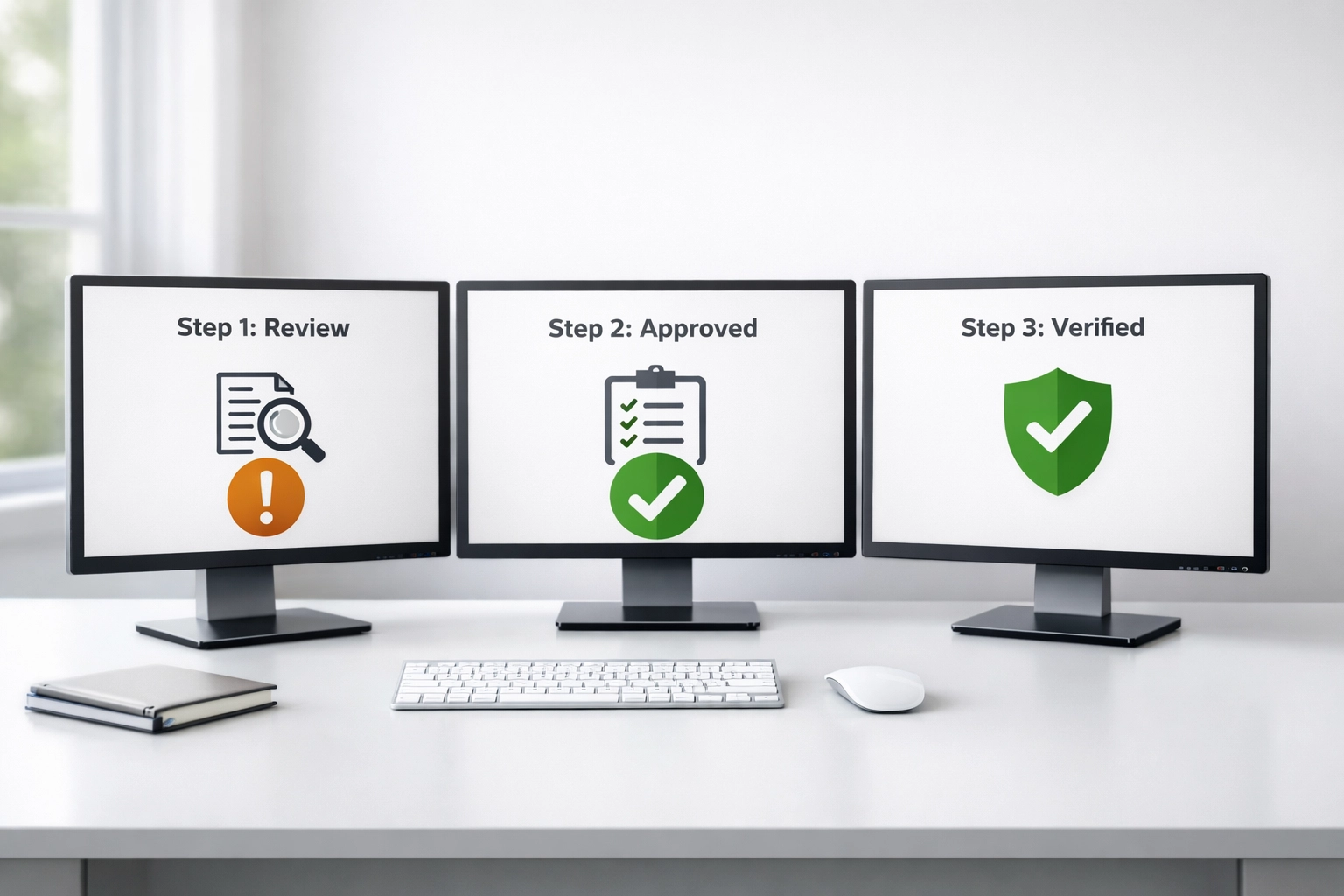
Install validation checkpoints at three stages:
- During data entry (real-time field validation)
- After preparer review (automated consistency checks)
- Before transmission (final verification scan)
Common validation failures include:
- Dependent SSN used on multiple returns
- Income figures that don't match source documents
- Missing required forms for claimed credits
- Birth dates that create age-related conflicts
Run test transmissions for complex returns. The few minutes spent on validation prevent hours of correction work.
4. Establish Authentication Protocol Standards
Authentication failures lock preparers out of IRS systems during peak filing periods. Service bureaus need backup plans and clear escalation paths.
Maintain current contact information for all authentication methods:
- Primary user credentials
- Backup administrator access
- IRS practitioner priority line numbers
- Third-party software support contacts
Require preparers to verify system access at the start of each shift. Don't wait until a client return is ready to discover authentication issues.
Store backup authentication credentials in secure, offline locations. Online-only storage fails when you need it most.
5. Create Duplicate Filing Prevention Systems
Accidentally filing the same return twice creates client account problems and IRS inquiry letters. Service bureau support systems must prevent duplicates.
Implement tracking that flags:
- Same SSN with multiple submission timestamps
- Returns marked complete but queued for retransmission
- Amended returns filed before original acceptance
Use software features that block duplicate transmissions. If your current system lacks this function, add manual verification as a required step before any submission.
Train staff to recognize duplicate filing risk situations:
- System crashes during transmission
- Unclear acceptance/rejection status
- Client requests to "just send it again"
6. Deploy Multi-Layer Security Monitoring
Data breaches destroy service bureau businesses overnight. ERO errors related to security breaches carry severe IRS penalties and civil liability.
Security monitoring requires active oversight, not just installed software:
- Daily review of system access logs
- Weekly password rotation for shared credentials
- Monthly security training for all staff
- Quarterly third-party security audits
Restrict data access by role. Receptionists don't need the same system privileges as senior preparers. Each access level increases breach exposure.
Monitor for unusual patterns:
- File access outside business hours
- Bulk data downloads
- Login attempts from new devices
- Repeated failed authentication
Create incident response procedures before breaches occur. Waiting until after a breach to develop your response plan guarantees poor outcomes.
7. Maintain Deadline Buffer Tracking
Timing errors force clients to file extensions or miss deadlines entirely. Service bureau operations depend on buffer management.
Calculate realistic processing timelines:
- Average completion time per return type
- Expected rejection rate and correction time
- IRS processing delays during peak periods
- Client response time for missing information
Refuse returns that arrive too close to deadlines. The revenue from one last-minute return doesn't offset the risk of missing a filing deadline.
Use automated deadline tracking that factors in:
- Federal filing deadlines
- State-specific due dates
- Extension filing requirements
- Weekend and holiday adjustments
Build minimum three-day buffers for standard returns. Complex returns need seven-day minimums. These buffers account for unexpected rejections and required corrections.
Risk Management Creates Competitive Advantage
Service bureaus that systematically prevent ERO errors retain more clients and command premium pricing. Error-free processing becomes a differentiator in a crowded market.
Start with one protocol from this list. Implement it completely before adding the next. Partial implementation of seven systems produces worse results than complete implementation of three.
Track your error rates monthly. Declining rejection rates and faster processing times prove your risk management systems work. Use these metrics when discussing your service bureau support capabilities with potential clients.
ERO errors are preventable. The question is whether you'll prevent them before or after losing your next client.