
Slug: ero-onboarding-guide-2026
Excerpt: Master ERO onboarding in 2026. This professional guide covers EFIN requirements, infrastructure setup, and compliance for tax business owners and EROs.
Tags: ERO Onboarding, Tax Professional, EFIN, Tax Business Growth, Compliance 2026, TIG Tax Pros
Ultimate Guide to ERO Onboarding: Success in 2026
The landscape for Electronic Return Originators (EROs) has undergone significant shifts as we move through the 2026 tax season. For tax professionals and tax business owners, the onboarding process is no longer a simple registration; it is a multi-layered compliance and operational framework. Whether you are a solo practitioner or scaling a multi-location service bureau, understanding the nuances of ERO onboarding is critical to maintaining IRS standing and ensuring firm profitability.
This guide outlines the essential steps for successful ERO onboarding, focusing on the regulatory requirements, technological infrastructure, and strategic partnerships necessary for high-performance tax operations in 2026.
The Foundation: Securing and Maintaining Your EFIN
The Electronic Filing Identification Number (EFIN) remains the cornerstone of any tax preparation business. In 2026, the IRS has intensified its vetting process to combat identity theft and fraudulent filings.
The Application Process
To become an authorized IRS e-file provider, you must complete the e-file application on the IRS e-services portal. This process involves:
- Creation of an IRS e-services Account: Utilizing the latest authentication protocols.
- Application Submission: Selecting "Electronic Return Originator" as your provider type.
- Suitability Check: The IRS conducts a credit check and a criminal background check.
For 2026, it is vital to note that the IRS has shortened the window for responding to requests for additional information. Failure to provide requested documentation within 15 days can result in the summary rejection of your application. If you are operating without an EFIN or awaiting approval, you may find value in reviewing the ultimate guide to ERO services.
Fingerprinting Requirements
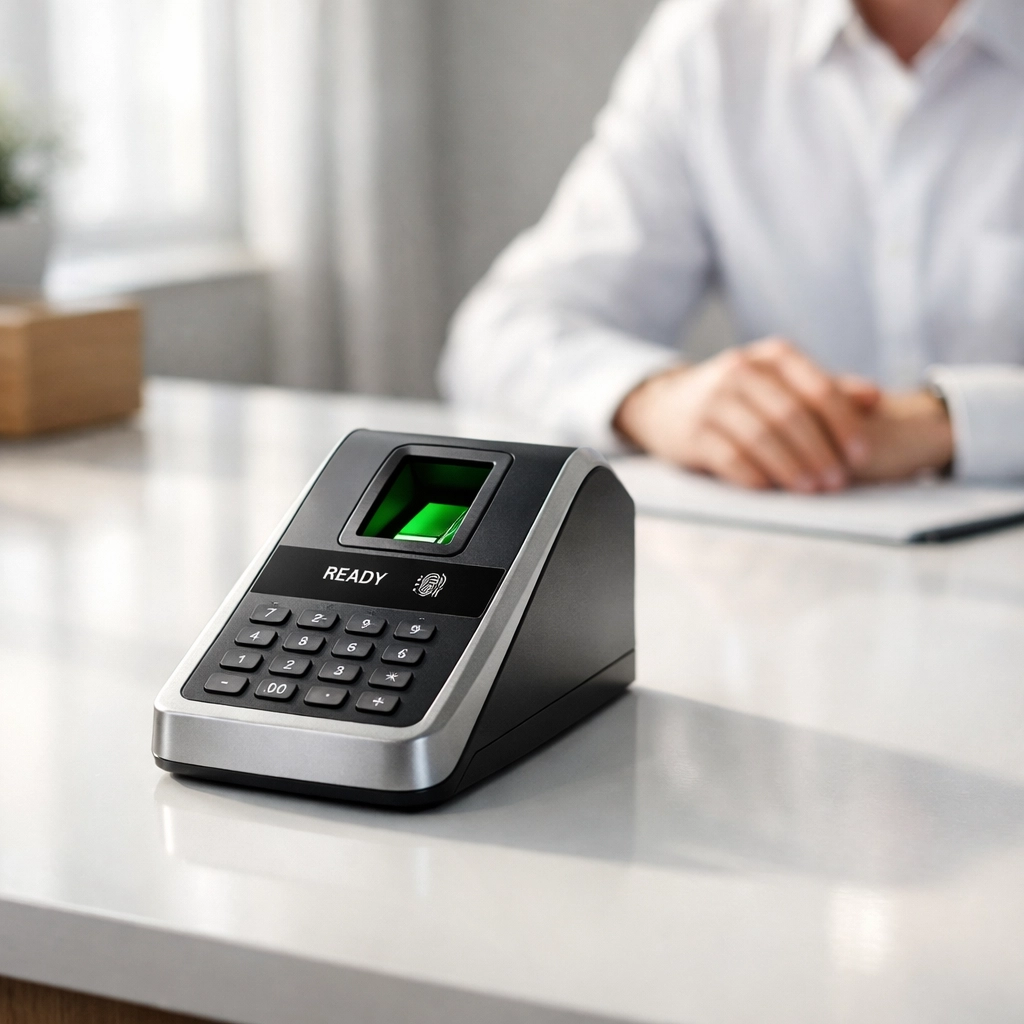
Digital fingerprinting is mandatory for all principals and responsible officials who do not hold a professional designation (such as CPA, Enrolled Agent, or Attorney). In 2026, the IRS exclusively uses scheduled appointments through approved vendors. Ensure your fingerprints are submitted immediately after the application to avoid the common 45-day processing delay.
State-Specific Compliance: Focus on California (Week 1 March Rotation)
As we enter the first week of March 2026, California-based EROs must ensure they are in full compliance with state-level mandates that exceed federal requirements.
CTEC Registration
In California, non-credentialed tax preparers must be registered with the California Tax Education Council (CTEC). For EROs managing a team, you must verify that every preparer has:
- Completed the required 20 hours of continuing education (15 hours federal, 5 hours state).
- Obtained a $5,000 tax preparer bond.
- Paid the annual registration fee.
Operating as an ERO in California without ensuring your staff is CTEC-compliant can lead to significant penalties from the Franchise Tax Board (FTB). Furthermore, California EROs are required to use e-file for all returns if they prepare more than 10 individual income tax returns annually.
Infrastructure and Cybersecurity: The WISP Requirement
By 2026, the IRS has made the Written Information Security Plan (WISP) a non-negotiable component of ERO onboarding. You cannot legally check the box on your EFIN application or renewal without having a physical or digital copy of your WISP in place.
Components of a Professional WISP
Your security plan must detail:
- Designated Program Manager: Who is responsible for data security?
- Risk Assessment: Identification of internal and external risks to taxpayer data.
- Protective Measures: Implementation of multi-factor authentication (MFA), 256-bit encryption for data at rest, and secure client portals.
- Employee Training: Mandatory cybersecurity awareness protocols for all staff.
TIG Tax Pros provides comprehensive guidance on integrating these security measures into your workflow. For more information on how we support tax business infrastructure, visit our services page.

Service Bureau Onboarding and Software Integration
For many tax business owners, the most efficient path to growth in 2026 is through a Service Bureau model. Partnering with a provider like TIG Tax Pros allows EROs to leverage enterprise-level software and support.
Software Selection
Your software is the engine of your firm. Onboarding into a high-performance tax software platform should include:
- Conversion Services: Seamlessly migrating prior-year data from legacy systems.
- Bank Product Integration: Enabling your clients to pay preparation fees via their refunds.
- Mobile App Implementation: Allowing taxpayers to upload documents securely from their smartphones.
The Onboarding Timeline
- Discovery Phase: Aligning software capabilities with your volume and complexity.
- Contracting: Reviewing terms for software licensing and rebate structures.
- Training: Hands-on technical training for the ERO and staff.
- Go-Live: Final system checks and EFIN validation within the software.
To start this process and join our network, you can become a TIG Tax Pro.
Operational Scaling and Audit Protection
Once the technical onboarding is complete, the focus shifts to operational excellence. In 2026, EROs are increasingly judged by their ability to defend the returns they file.
Implementing Audit Protection
Incorporating audit protection into your onboarding workflow adds a layer of professional security for your clients and a secondary revenue stream for your business. This service ensures that if a client is audited, a dedicated professional will handle the IRS correspondence. This is a critical component of professional tax preparation services in a high-scrutiny environment.

Marketing for Growth
Successful EROs do not wait for the season to start to begin their marketing efforts. Your onboarding should include the setup of:
- Google Business Profile: Optimized for local searches.
- Professional Website: Integrated with your secure portal.
- Digital Lead Generation: Targeted campaigns for specific demographics.
Compliance and Federal Law Updates for 2026
The 2026 filing season introduces specific federal updates that EROs must integrate into their intake processes:
- Enhanced Due Diligence: The IRS has expanded the requirements for the Earned Income Tax Credit (EITC), Child Tax Credit (CTC), and American Opportunity Tax Credit (AOTC). EROs must maintain rigorous records of the questions asked to clients to verify eligibility.
- Section 7216 Compliance: You must obtain written consent from clients before using their tax information for any purpose other than return preparation (e.g., offering financial products or marketing).

Managing the ERO Lifecycle
Onboarding is only the beginning. Maintaining your status as an ERO requires ongoing diligence:
- Annual E-Services Maintenance: Update your application yearly to reflect changes in address, principals, or bank account information.
- Continuing Professional Education (CPE): Stay updated on the latest tax law changes and cybersecurity threats.
- Performance Monitoring: Review your e-file rejection rates and IRS "Summary of e-file Data" to identify and correct systemic errors in your office.
For tax professionals looking to streamline these processes, TIG Tax Pros offers a centralized platform for management. Explore our updates category for the latest regulatory changes affecting your practice.
Summary Checklist for 2026 ERO Onboarding
To ensure a seamless transition into the 2026 tax season, follow this direct checklist:
- Verify EFIN status on IRS e-services.
- Update PTINs for all staff members.
- Finalize the Written Information Security Plan (WISP).
- Complete California-specific CTEC/Bonding requirements (if applicable).
- Integrate tax software with bank product providers.
- Schedule staff training on new due diligence protocols.
- Confirm all data encryption and backup systems are functional.
The complexity of the 2026 tax environment demands a structured approach to onboarding. By focusing on compliance, infrastructure, and strategic partnerships, tax business owners can mitigate risk and maximize their operational capacity. For further assistance in optimizing your tax business, visit our shop for professional tools or contact us via my-account.