
Georgia maintains distinct compliance requirements for Electronic Return Originators that extend beyond federal IRS mandates. Tax professionals operating in Georgia face state-specific regulations that carry significant penalties for non-compliance. This guide identifies the five critical requirements that differentiate Georgia ERO operations from other states.
1. Georgia Preparer Tax Identification Number (PTIR) Registration
Georgia requires all paid tax preparers to register with the Georgia Department of Revenue and obtain a Preparer Tax Identification Registration (PTIR) number before preparing state returns. This requirement operates independently of your federal EFIN or PTIN.
Compliance Steps:
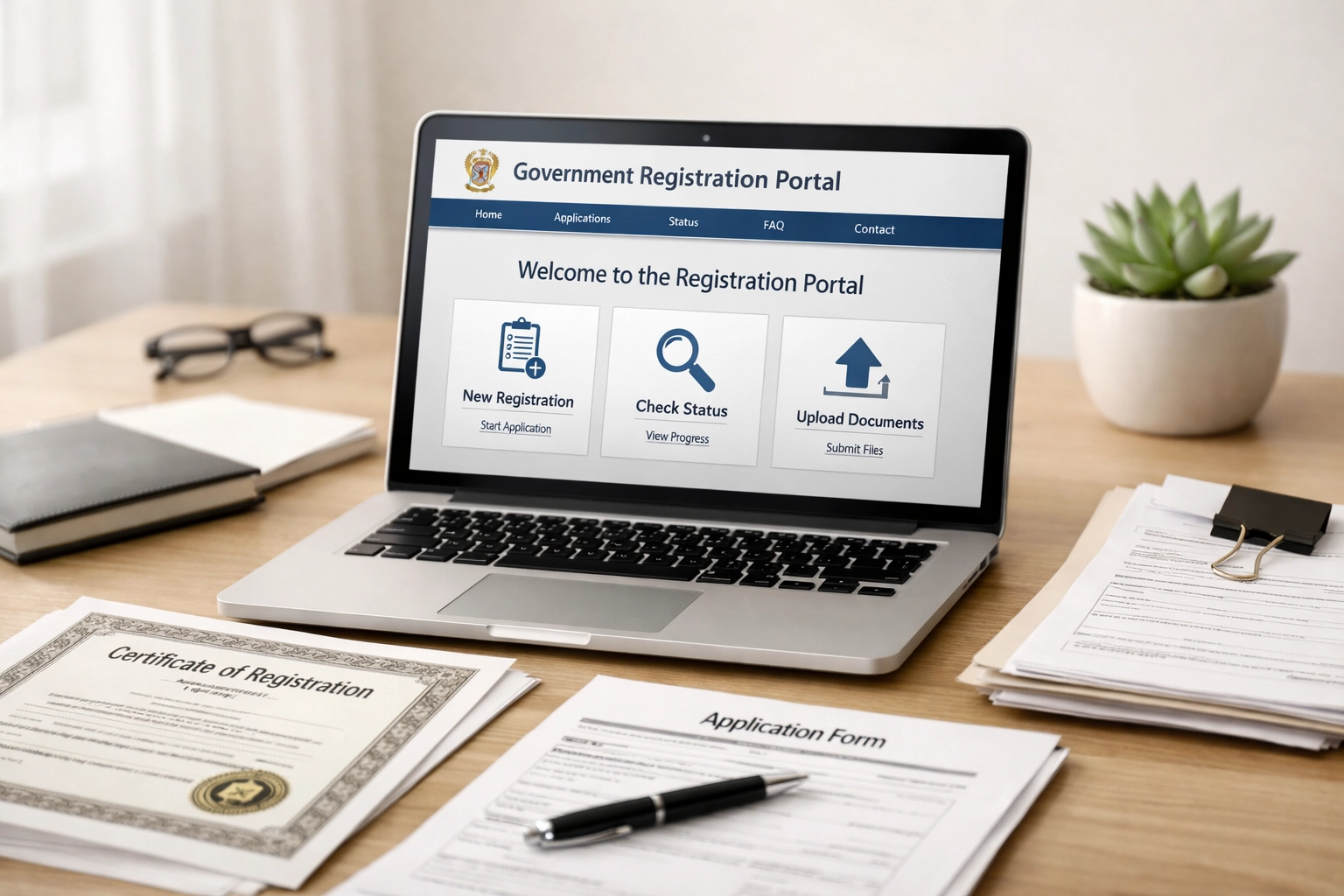
Register through the Georgia Tax Center (GTC) portal before preparing any Georgia state returns. The registration process requires your business entity information, federal tax identification numbers, and professional credentials. Georgia law mandates annual renewal of PTIR registration, with renewals due by December 31 each year.
Failure to obtain PTIR registration results in $500 penalties per violation. The Georgia Department of Revenue actively enforces this requirement through automated return screening systems that flag returns prepared without valid PTIR numbers.
Documentation Requirements:
Maintain copies of your PTIR certificate at your principal place of business. Include your PTIR number on all Georgia state returns you prepare. Georgia auditors verify PTIR compliance during routine examinations of tax preparation businesses.
2. Georgia-Specific E-File Mandate Thresholds
Georgia implements different e-filing thresholds than federal requirements. Tax preparers who reasonably expect to prepare 11 or more Georgia individual income tax returns must file electronically. This threshold differs from the federal requirement of 11 or more total returns.
Critical Distinction:
The Georgia threshold applies specifically to Georgia returns, not your total return volume. A preparer filing 10 Georgia returns and 100 federal returns for other states remains below Georgia's e-file mandate. Conversely, a preparer filing 12 Georgia returns must e-file all Georgia returns regardless of their total volume.
Compliance Monitoring:
Georgia tracks e-file compliance through preparer identification numbers. The Department of Revenue issues compliance notices to preparers who exceed thresholds while filing paper returns. First violations trigger warning letters. Subsequent violations result in $50 penalties per return filed on paper after reaching the threshold.
Record Keeping:
Maintain accurate counts of Georgia returns prepared each calendar year. Document any returns filed on paper due to taxpayer rejection of e-filing. Georgia requires written acknowledgment from taxpayers who decline e-filing after being offered the option.
3. Georgia Composite Return Authorization Requirements
Georgia requires specific authorization procedures for tax preparers handling composite returns for non-resident partners, shareholders, and members. These procedures exceed standard power of attorney requirements.
Authorization Documentation:
Obtain Form G-7 authorization from each entity filing composite returns. This form must be completed before the tax preparer can access entity information through the Georgia Tax Center or file composite returns on behalf of the entity.
Each non-resident participant included in composite returns must provide written consent. Georgia law requires these consents to be maintained for four years following the composite return filing date. The Department of Revenue randomly audits composite return files to verify proper authorization documentation.
Electronic Consent Systems:
Georgia accepts electronic signatures on authorization forms through approved signature platforms. The electronic records must meet Georgia's Uniform Electronic Transactions Act requirements. Maintain audit trails showing when and how participants provided electronic consent.

4. Georgia Data Security and Breach Notification Standards
Georgia enacted specific data security requirements for tax return preparers under the Georgia Personal Identity Protection Act. These requirements establish security standards that exceed general data protection practices.
Mandatory Security Measures:
Implement encryption for all electronic storage and transmission of Georgia taxpayer data. Georgia law requires AES 256-bit encryption or equivalent protection for data at rest. Encrypted transmission using TLS 1.2 or higher applies to all electronic communications containing taxpayer information.
Establish physical security controls for paper records containing Georgia taxpayer data. Lock storage areas when unattended. Restrict access to authorized personnel only. Maintain visitor logs for areas where taxpayer data is accessible.
Breach Notification Obligations:
Report data breaches affecting Georgia resident information to the Georgia Attorney General within 72 hours of discovery. The notification must include the number of affected residents, types of information compromised, and remediation steps taken.
Notify affected taxpayers within 45 days of breach discovery. Georgia law permits email notification if you maintain the taxpayer's email address in the ordinary course of business. Otherwise, first-class mail notification is required.
Penalties for Non-Compliance:
Georgia imposes civil penalties up to $10,000 per breach incident for failure to maintain adequate security measures. Additional penalties apply for delayed or inadequate breach notifications. The Attorney General may pursue injunctive relief to compel compliance.
5. Georgia Continuing Education and Credential Requirements
Georgia maintains independent continuing education requirements for tax preparers beyond federal or professional organization standards. These requirements apply to all preparers of Georgia state returns, regardless of federal credentials.
Annual CE Requirements:
Complete 12 hours of continuing education annually focused on Georgia tax law and procedure. At least 8 hours must cover Georgia-specific topics. The remaining 4 hours may address federal tax law with Georgia implications.
Georgia approves specific CE providers and courses. Verify course approval through the Georgia Department of Revenue CE provider list before registration. Unapproved courses do not satisfy Georgia requirements, even if they cover Georgia tax topics.
Documentation and Reporting:
Maintain certificates of completion for all CE courses. Georgia requires preparers to submit CE completion documentation upon request during PTIR renewal or department audits. Missing documentation results in PTIR suspension until the deficiency is corrected.
Submit CE completion records through the Georgia Tax Center annually by December 31. The automated system flags preparers with insufficient CE hours and prevents PTIR renewal until requirements are satisfied.
Exempt Preparers:
Attorneys admitted to the Georgia State Bar and CPAs licensed in Georgia with current registration are exempt from the CE requirement if they maintain their professional license active status. The exemption applies only while the professional license remains current and in good standing.
Implementation Timeline
Georgia enforcement of these requirements intensifies during peak filing season. The Department of Revenue increases audit activity from January through April, targeting non-compliant preparers during high-volume periods.
Begin compliance verification in December preceding each filing season. Register or renew PTIR credentials by December 31. Complete CE requirements before year-end to avoid delays in credential renewal. Review and update security measures quarterly.
Schedule internal compliance audits in November to identify gaps before filing season begins. Document all compliance measures to facilitate rapid response to Department of Revenue inquiries. Maintain organized files for authorization documents, security policies, and CE certificates.
Georgia provides limited grace periods for compliance deficiencies. Address violations immediately upon notification. Proactive compliance prevents penalties and maintains uninterrupted practice during filing season.