
Understanding Service Bureau Operations
A service bureau functions as the technical infrastructure provider for Electronic Return Originators (EROs). The service bureau handles electronic filing transmission, software hosting, and technical compliance while EROs maintain client relationships and prepare returns. This separation of duties requires proper onboarding procedures to ensure IRS compliance and operational efficiency.
Service bureaus must establish themselves as Intermediate Service Providers (ISPs) with the IRS e-Services platform. EROs partnering with service bureaus delegate transmission responsibilities but retain legal accountability for return accuracy and fraud prevention.
ERO Eligibility and EFIN Requirements

Before engaging a service bureau, verify your ERO status meets IRS requirements. All EROs must hold a valid Electronic Filing Identification Number (EFIN). The IRS issues EFINs to tax professionals who pass suitability checks, including fingerprint-based background screening and tax compliance verification.
New ERO applicants complete Form 8633 (Application to Participate in the IRS e-file Program). Processing takes 45 days minimum. The IRS conducts fingerprint checks through approved channelers and reviews the applicant's tax compliance history for the previous five years.
Existing EROs must maintain annual e-file responsibilities. Submit at least five individual income tax returns electronically each year to remain active. EROs falling below this threshold face EFIN revocation and must reapply through the full application process.
Service Bureau Selection Criteria
Evaluate service bureaus based on technical capability, compliance record, and support infrastructure. Request the following documentation during evaluation:
IRS Compliance Status: Verify the service bureau maintains current ISP registration. Request proof of e-Services enrollment and confirmation of accepted participant status.
Security Protocols: Review the service bureau's Information Security Plan. IRS Publication 4557 establishes minimum security requirements for all e-file participants. Service bureaus must implement multi-factor authentication, data encryption, and intrusion detection systems.
Transmission Capabilities: Confirm support for federal returns, state returns for your practice jurisdictions, and specialty forms. Verify same-day transmission windows and error resolution procedures.
Technical Support Hours: Document available support channels, response time commitments, and escalation procedures. Peak season support availability determines operational reliability.
Georgia ERO Considerations

Georgia maintains specific requirements for tax preparers operating within the state. The Georgia Department of Revenue requires separate registration for state e-file participation. EROs must obtain a Georgia Preparer Tax Identification Number (PTID) through the Georgia Tax Center.
Service bureaus transmitting Georgia returns must maintain connectivity with the Georgia Department of Revenue's MeF system. Verify your service bureau holds active Georgia transmission authorization before onboarding.
Georgia imposes additional due diligence requirements for paid preparers. Maintain copies of all supporting documentation for individual income tax returns for three years. Service bureaus do not satisfy this requirement: EROs remain responsible for document retention regardless of transmission method.
Onboarding Documentation Requirements
Complete service bureau onboarding requires specific documentation exchange. Prepare the following items before initiating the onboarding process:
Form 8633 Copy: Service bureaus verify your current ERO status through your approved Form 8633. Provide a copy showing your EFIN and approval date.
Professional Credentials: Submit copies of applicable credentials (PTIN, CPA license, EA certification, or attorney license). Service bureaus verify professional status before granting system access.
Practice Information: Provide business entity documentation, physical office address, and contact information. Service bureaus require this data for IRS reporting obligations.
Security Attestation: Complete the service bureau's security questionnaire. This document confirms your compliance with IRS security requirements at the ERO level.
Technical Infrastructure Setup

Service bureau onboarding includes technical configuration to enable return transmission. The process varies by service bureau but follows common patterns:
Account Provisioning: Service bureaus create user accounts tied to your EFIN. Initial credentials arrive through secure channels. Change default passwords immediately and implement password management procedures.
Software Integration: Connect your tax preparation software to the service bureau's transmission platform. Configuration requires the service bureau's connection credentials, transmission URLs, and authentication tokens. Test connections using IRS practice mode before live filing.
User Access Control: Establish user accounts for all staff members requiring transmission access. Assign permissions based on role responsibilities. Limit full transmission authority to licensed professionals meeting ERO requirements.
Backup Communication: Configure secondary communication channels for transmission confirmations and error notifications. Email alone does not satisfy IRS notification requirements during peak season.
Compliance Testing Procedures
IRS regulations require testing before live transmission. Service bureaus provide test environments replicating production systems without submitting actual returns.
Assurance Testing System (ATS): Complete mandatory ATS testing for each filing season. The IRS requires successful test transmission before activating live filing privileges. ATS tests verify formatting compliance, acknowledgment processing, and rejection handling.
State System Testing: Georgia and other states operate independent testing protocols. Complete state-specific testing through your service bureau's platform before transmitting live state returns.
Error Handling Verification: Test rejection scenarios to verify your office procedures handle errors correctly. Confirm staff understand rejection codes, correction procedures, and retransmission requirements.
Security and Data Protection
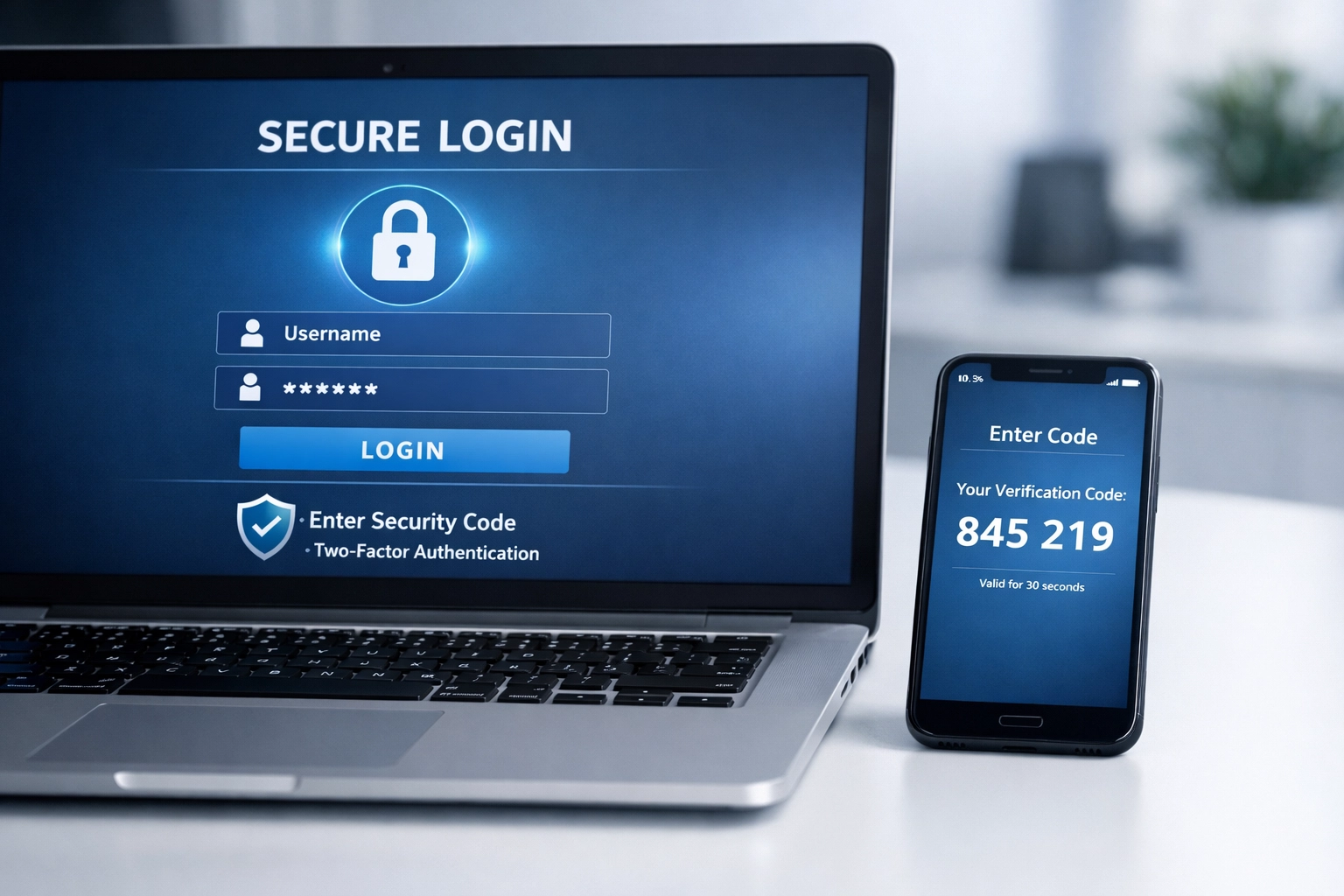
Service bureau partnerships require enhanced data security measures. Data transmission introduces additional vulnerability points requiring specific controls:
Encryption Standards: All data transmission between your location and the service bureau must use TLS 1.2 or higher encryption. Verify encryption status before transmitting returns containing taxpayer information.
Access Logging: Enable comprehensive access logs for all service bureau interactions. Review logs weekly during tax season to identify unauthorized access attempts or unusual activity patterns.
Data Retention: Service bureaus retain transmitted returns for limited periods. Maintain independent copies of all filed returns meeting IRS and state retention requirements. Georgia requires three-year retention for individual returns.
Breach Response: Establish incident response procedures addressing service bureau security events. Your ERO responsibility continues despite using third-party transmission services.
Operational Workflow Integration
Successful service bureau integration requires workflow modifications addressing transmission timing, confirmation handling, and error correction:
Transmission Schedules: Service bureaus process submissions in batches. Understand transmission cutoff times to manage client expectations regarding acknowledgment receipt.
Acknowledgment Monitoring: Implement daily acknowledgment review procedures. IRS acknowledgments arrive within 24-48 hours. Extended delays indicate transmission problems requiring immediate investigation.
Rejection Management: Establish rejection review protocols. Common rejections include SSN mismatches, dependent conflicts, and duplicate filing attempts. Document rejection patterns to implement upstream quality controls.
Client Communication: Update client communication procedures reflecting service bureau transmission. Provide clients with realistic timelines for acknowledgment receipt and refund processing.
Ongoing Compliance Maintenance
ERO obligations continue throughout the partnership with your service bureau. Maintain compliance through systematic monitoring:
Annual Renewal: Review service bureau agreements annually. Verify continued IRS authorization and updated fee structures before each filing season.
Software Updates: Service bureaus deploy software updates throughout filing season. Monitor update notifications and implement changes within required timeframes.
Professional Development: Complete annual continuing education addressing e-file procedures, security requirements, and fraud prevention. IRS Circular 230 establishes minimum CE requirements for enrolled agents.
Performance Review: Analyze transmission metrics quarterly. Track rejection rates, acknowledgment timing, and support response quality. Benchmark performance against industry standards to identify improvement opportunities.
Common Onboarding Failures
Understanding typical onboarding problems prevents delays during peak filing season:
Incomplete Documentation: Missing credentials or unsigned agreements delay account activation. Prepare required documents before initiating onboarding.
Failed Testing: Skipping ATS testing prevents live filing authorization. Allocate adequate time for testing completion before accepting client returns.
Access Problems: Incorrect user permissions create operational bottlenecks. Define role-based access requirements during initial setup rather than retroactively adjusting permissions.
Communication Gaps: Undefined escalation procedures extend problem resolution timeframes. Establish direct contacts for technical support, compliance questions, and account management before encountering issues.
Service bureau onboarding establishes the technical foundation for electronic filing operations. Systematic preparation, thorough testing, and ongoing compliance monitoring ensure reliable transmission services throughout filing season. Georgia EROs must address state-specific requirements alongside federal obligations to maintain full operational capability.