
Operating as an Electronic Return Originator in Ohio requires adherence to both federal IRS regulations and state-specific requirements. Many tax professionals lose clients due to preventable compliance errors that damage reputation and create liability exposure.
Mistake 1: Improper EFIN Management and Sharing
Your EFIN belongs exclusively to your business. Sharing login credentials or allowing unauthorized users to access your EFIN creates direct liability for all returns filed under your identification number.
The IRS tracks every return submitted through your EFIN. When other preparers use your credentials, you become responsible for their work. This includes errors, fraudulent returns, and any subsequent penalties.

Required Actions:
- Maintain separate EFINs for each business location
- Document all authorized users in writing
- Implement two-factor authentication on all e-file software
- Conduct quarterly EFIN access audits
- Revoke access immediately when staff departs
Ohio requires additional documentation for multi-location operations. File location updates with the Ohio Department of Taxation within 30 days of opening or closing any office.
Mistake 2: Inadequate Due Diligence Documentation
IRS Circular 230 mandates specific due diligence requirements. Ohio tax preparers frequently fail to document the verification process for dependent claims, education credits, earned income credit, and head of household status.
Missing documentation creates problems during IRS examinations. The preparer faces penalties of $560 per failure in 2026, even when the client provided false information.
Required Documentation:
- Completed Form 8867 for every applicable return
- Client interview records showing questions asked and answers received
- Copies of supporting documents provided by clients
- Computation worksheets demonstrating credit eligibility
- Written explanations for any unusual circumstances
Store due diligence records separately from tax returns. The IRS requires three-year retention minimum. Ohio extends this to four years for state returns.
Mistake 3: Failure to Verify PTIN Status
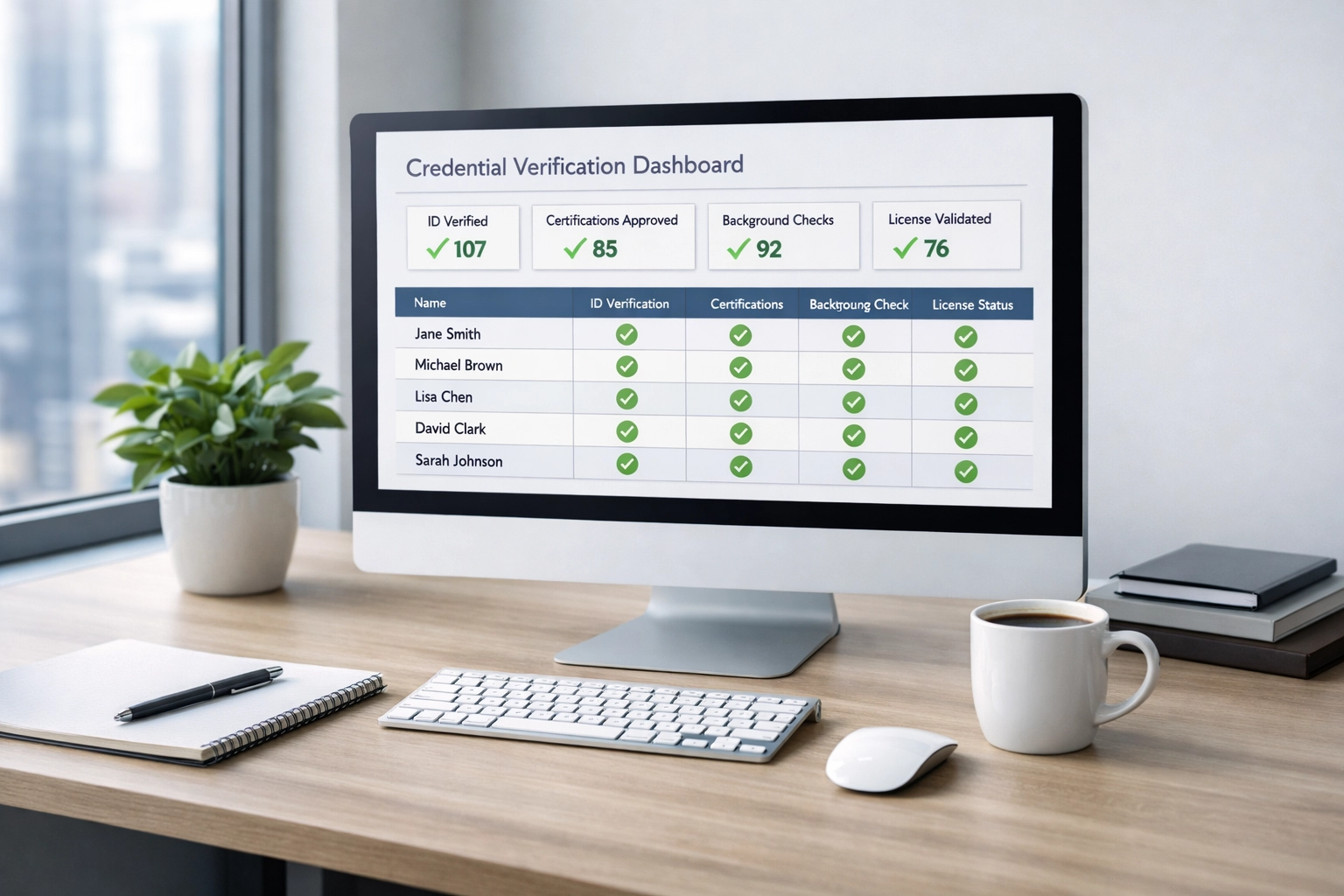
Every paid preparer must maintain current PTIN registration. EROs must verify PTIN status for all staff before allowing them to prepare or sign returns.
The IRS assesses penalties against EROs who employ preparers with expired or invalid PTINs. This applies regardless of whether the ERO knew about the status.
Verification Requirements:
- Check PTIN status monthly through IRS e-Services
- Document verification dates in personnel files
- Require staff to notify management immediately if PTIN renewal delays occur
- Remove preparers from active duty if PTIN expires
- Maintain backup coverage for unexpected PTIN issues
Ohio preparers also need state tax preparer registration through the Ohio Accountancy Board if they prepare state returns. Verify both credentials.
Mistake 4: Incorrect Disclosure Authorization Handling
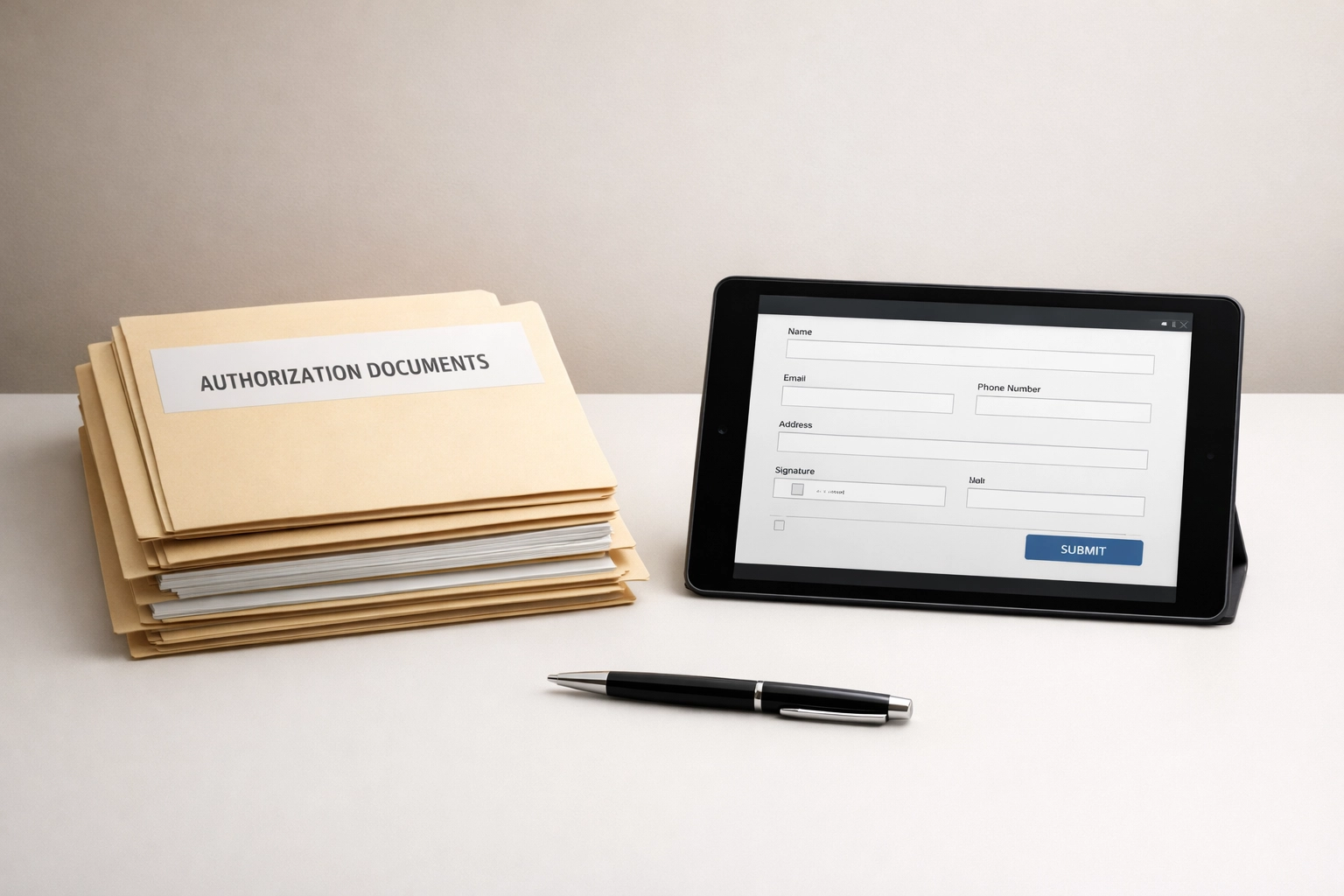
Form 8879 authorizes electronic filing but does not authorize tax preparer communication with the IRS. Many EROs assume this form provides full representation authority.
When the IRS contacts your office about a client return, you cannot respond without proper authorization. Form 2848 or Form 8821 must be on file before discussing any tax matters.
Authorization Requirements:
- Obtain Form 8879 for each e-filed return
- Collect Form 2848 if representation services are included
- File Form 8821 for disclosure-only relationships
- Document verbal authorizations with detailed notes
- Renew authorizations annually
- Maintain separate authorization files
Ohio Department of Taxation requires separate state-specific authorization. Federal forms do not grant state representation authority.
Mistake 5: Inadequate Record Retention Systems
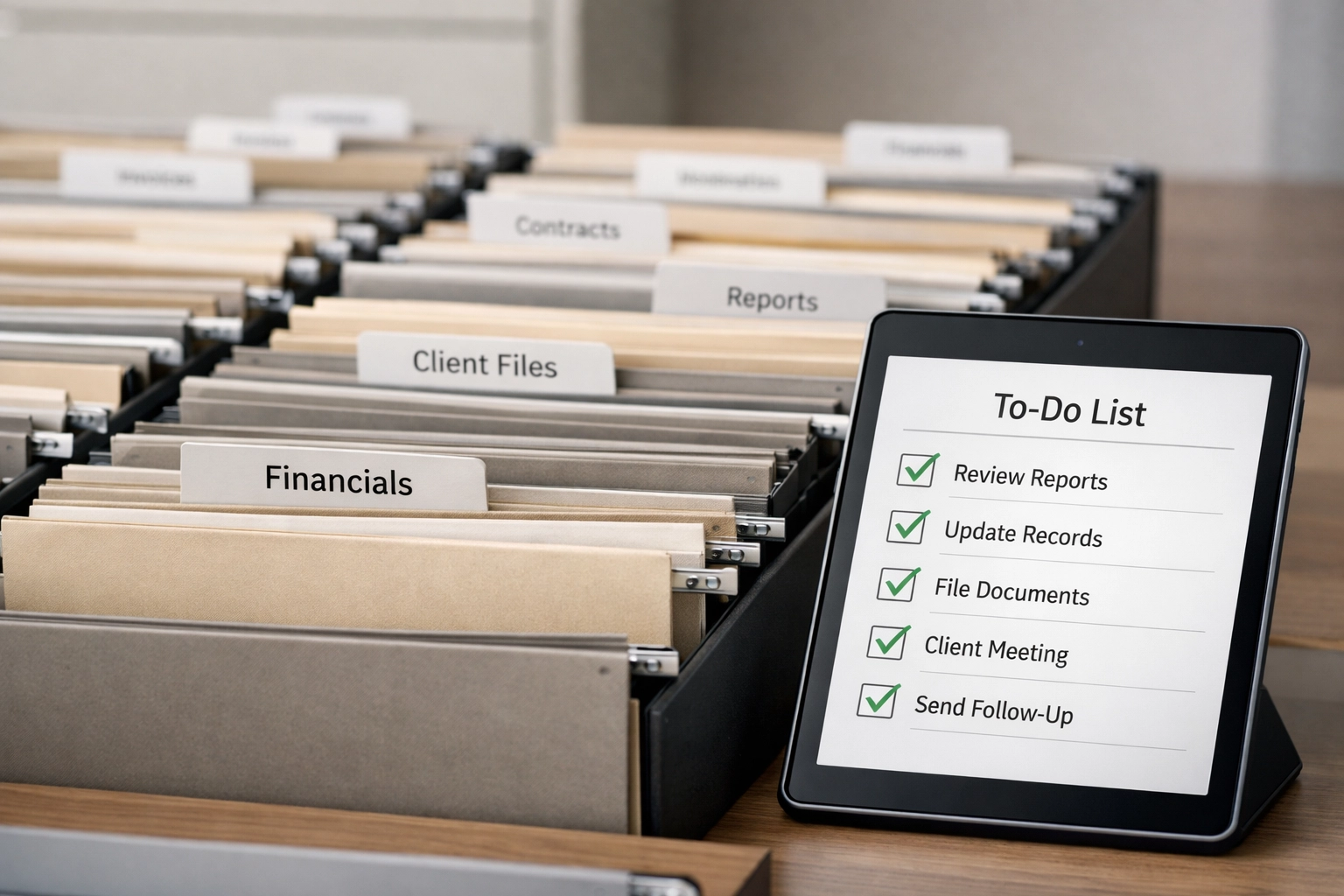
IRS regulations require EROs to maintain returns, supporting documents, and administrative records for three years from the return due date or filing date, whichever is later. Ohio requires four-year retention for state returns.
Many tax businesses fail when they cannot produce records during examinations or respond to client requests years after filing. Digital storage creates additional compliance requirements.
Required Records:
- Complete copies of all filed returns
- All supporting documentation provided by clients
- Due diligence worksheets and computation records
- Authorization forms
- EFIN logs showing return submission details
- Rejection reports and resolution documentation
- Bank product applications and agreements
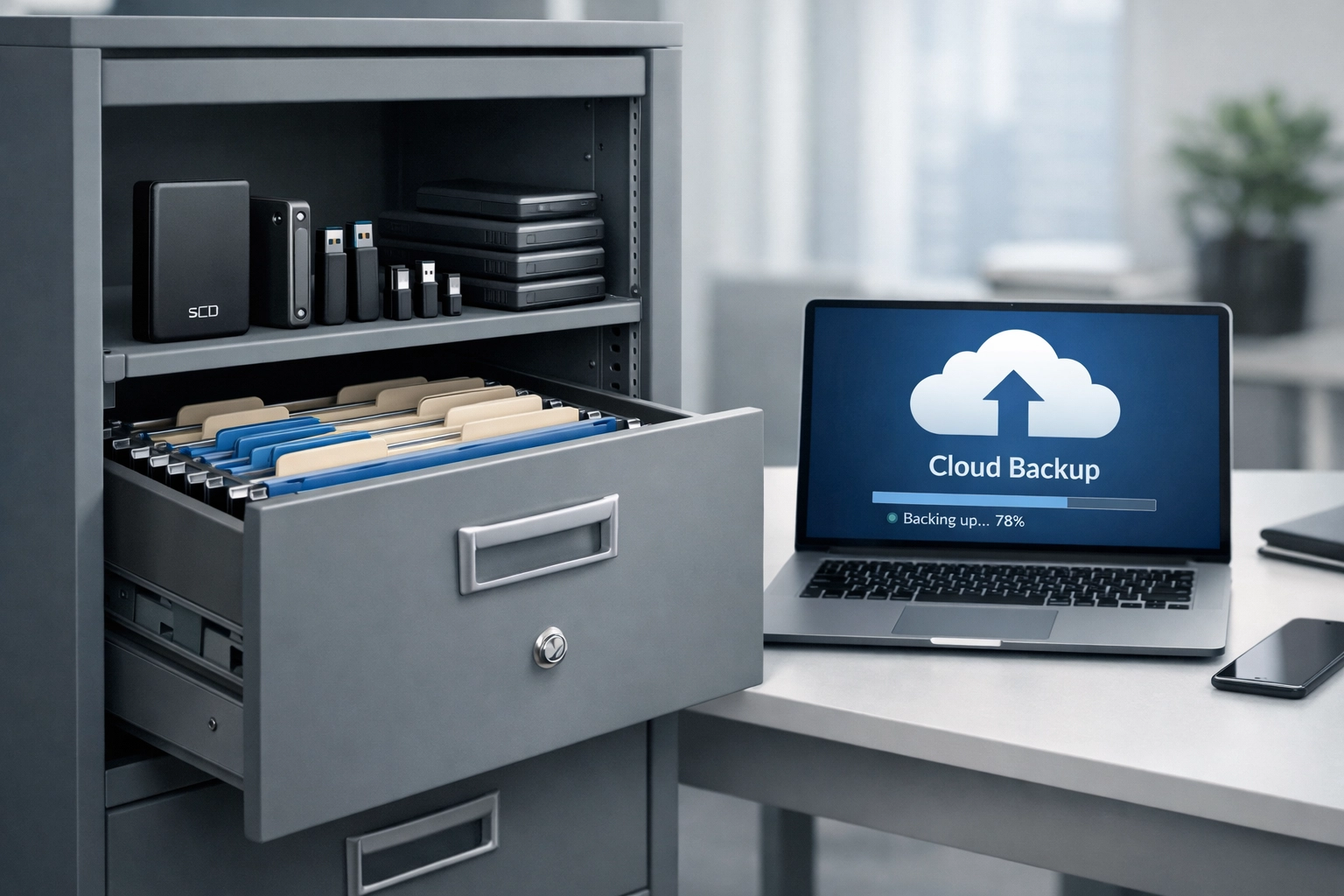
Store records in secure, encrypted systems. Implement access controls limiting staff to their own client files. Maintain offsite backups.
Ohio requires specific data security measures for tax preparers. Review Ohio Revised Code Section 1349.19 regarding personal information protection.
Mistake 6: Non-Compliance with Ohio IT 1040 Requirements
Ohio imposes separate filing requirements beyond federal e-filing. EROs commonly submit federal returns electronically while filing paper Ohio returns, creating processing delays and client dissatisfaction.
Ohio Department of Taxation mandates electronic filing for preparers who file 10 or more Ohio returns annually. This threshold includes all Ohio returns prepared by the business, not individual preparers.
Ohio E-File Requirements:
- Register for Ohio E-File Program separately from federal registration
- Use approved Ohio e-file software
- Submit Ohio returns electronically when federal returns are e-filed
- File timely extensions through Ohio gateway
- Maintain separate Ohio reject resolution procedures
Ohio processing systems differ from federal systems. Returns rejected by Ohio require separate correction and resubmission through state systems.
Mistake 7: Missing Continuing Education for Ohio-Specific Issues
Federal IRS requirements provide 15 hours of annual continuing education for credentialed preparers. This education rarely covers Ohio-specific tax law changes, municipal tax requirements, or state compliance updates.
Ohio has 600+ municipalities with individual income tax requirements. Cleveland, Columbus, Cincinnati, and Toledo each maintain separate tax departments with unique filing requirements. EROs serving Ohio clients must understand these local obligations.
Ohio Education Requirements:
- Complete Ohio-specific tax law updates annually
- Review municipal tax changes for client locations
- Understand Ohio's CAT tax implications for business clients
- Monitor Ohio Department of Taxation bulletins
- Track Ohio Supreme Court decisions affecting tax positions
- Participate in Ohio-focused preparer forums
Subscribe to Ohio Department of Taxation email alerts. Review the Regional Income Tax Agency (RITA) and Central Collection Agency (CCA) updates for municipal requirements.
Implementation Timeline
Address these compliance gaps systematically:
Week 1: Audit current EFIN management and access controls
Week 2: Review and update due diligence procedures
Week 3: Verify all staff PTIN and Ohio registrations
Week 4: Implement authorization form collection systems
Week 5: Establish record retention protocols
Week 6: Register for Ohio e-file if not currently enrolled
Week 7: Schedule Ohio-specific continuing education
Document all compliance improvements in writing. Update your ERO procedures manual to reflect current requirements.
Enforcement Actions
The IRS increased ERO examinations by 35% in 2025. Ohio Department of Taxation conducts separate state-level audits focusing on e-file compliance and due diligence.
Penalties for ERO violations range from warning letters to EFIN suspension or revocation. Ohio can separately bar preparers from filing state returns.
Client relationships suffer when compliance failures delay refunds or create examination issues. Most clients do not understand the distinction between preparer errors and their own documentation problems.
Implement these corrections immediately. Review your procedures against this checklist monthly during tax season and quarterly during off-season months.
Non-compliance creates unnecessary business risk. Address gaps before they result in penalties, client loss, or credential suspension.