
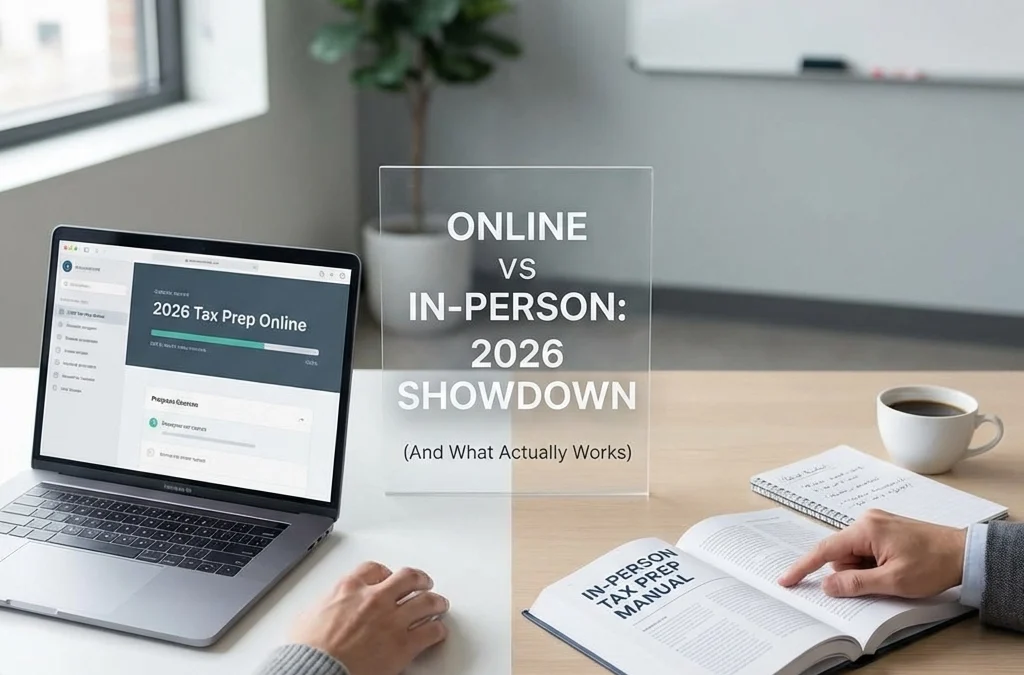
Thinking about jumping into tax preparation? You're not alone. With tax season changes every year and the IRS constantly updating rules, more people are looking to get properly trained. But here's the big question: should you go with an online course or stick with the traditional classroom approach?
Let's break down what actually works in 2026, because the landscape has changed quite a bit from even just a few years ago.
The Online Course Revolution
Online tax preparation courses have absolutely exploded. Major players like Intuit Academy, H&R Block, Platinum Pros Studies, and WebCE are all pushing hard into the digital space, and for good reason.
The Good Stuff About Going Digital
Flexibility is the name of the game. You can literally study at 2 AM in your pajamas if that's when your brain works best. Most online courses are completely self-paced, which means you're not stuck waiting for slow learners or scrambling to keep up with speed demons.
Cost-wise, online usually wins. You're not paying for classroom rental, instructor travel, or any of those overhead costs that get passed down to students. Plus, you save on gas, parking, and all those little expenses that add up when you're commuting to a physical location.
Course variety is impressive. Intuit Academy offers Tax Level 1 (18 hours) and Tax Level 2 (20 hours), while Platinum Pros Studies gives you 6 months to complete their IRS Annual Filing Season Program (AFSP) approved course. That's way more flexibility than most in-person options.
Where Online Falls Short
The interaction thing is real. When you're stuck on a complex tax scenario at 11 PM, there's no instructor to raise your hand to. Sure, most platforms have forums or email support, but it's not the same as getting immediate clarification.
Self-discipline becomes critical. Without the structure of showing up to class, some people just… don't finish. The completion rates for online courses are notoriously lower than in-person programs.
Networking opportunities are limited. You miss out on connecting with other future tax preparers, which can be valuable for referrals and industry insights later on.
The In-Person Experience
Don't count out traditional classroom learning just yet. There are still some solid advantages to the old-school approach.

Why Classrooms Still Matter
Real-time Q&A is invaluable. When someone asks a question you didn't even know you had, that's pure gold. Those "aha" moments happen more naturally in group settings.
Accountability is built-in. You've committed to showing up at specific times, which naturally creates better completion rates. Plus, there's social pressure to keep up with the class.
Hands-on practice feels more real. Working through tax scenarios with an instructor looking over your shoulder catches mistakes you might miss on your own.
H&R Block's approach is interesting here – they require 40 hours of instruction (70 in California, 81 in Oregon), and their instructors specifically recommend active participation "to understand concepts and ideas as early as possible."
The Downsides of Going Traditional
Scheduling can be a nightmare. If you're working full-time or have family commitments, finding a class that fits your schedule is tough. Most programs run during business hours or evenings, which doesn't work for everyone.
Location limits your options. Live in a smaller city? You might have only one or two course options, and they might not be the best quality.
Higher costs are common. Between the course fee, transportation, and time off work, in-person training often costs more overall.
What the Real World Says
Here's what we're seeing in 2026: the most successful tax preparers are coming from both formats, but their paths look different.
Online course graduates tend to be more self-motivated and better at independent problem-solving. They're often people who already have some business or finance background and are adding tax prep as a skill.
In-person course graduates often have stronger foundational knowledge initially and feel more confident tackling complex returns right away. The structured learning approach seems to work well for people new to finance entirely.

The Hybrid Trend
Many providers are getting smart about this. H&R Block now offers both online and instructor-led classes, plus something called "Virtual Classroom" options. Dallas College does similar hybrid approaches.
This might be the sweet spot – getting the flexibility of online learning with scheduled check-ins or virtual office hours for complex topics.
Choosing Your Path: The Practical Breakdown
Go Online If You:
- Have existing finance or business knowledge
- Need maximum scheduling flexibility
- Learn well independently
- Want to save money
- Don't mind troubleshooting issues on your own
Choose In-Person If You:
- Are completely new to tax concepts
- Learn better with immediate feedback
- Want networking opportunities
- Need external accountability to finish
- Prefer hands-on learning
Consider Your Goals
Just want basic tax prep skills? Online is probably fine. Most self-paced courses cover the fundamentals thoroughly.
Planning to start a tax business? In-person might be worth it for the networking and more comprehensive training approach.
Want IRS credentials? Make sure whichever format you choose offers AFSP (Annual Filing Season Program) completion certificates. This gets you registered in the IRS directory and limited representation rights.
The Learning Style Factor
This is huge and often overlooked. Think honestly about how you learn best:
Visual learners often do well with online courses because of the video content, interactive exercises, and e-books. You can pause, rewind, and review visual materials as needed.
Auditory learners might prefer in-person classes where they can hear explanations, ask questions verbally, and participate in discussions.
Kinesthetic learners who need hands-on practice might struggle with purely online formats but could do well with hybrid approaches.
The 2026 Reality Check
The tax preparation industry is evolving fast. Software is getting more sophisticated, but regulations are getting more complex. Whatever format you choose, make sure it's current with 2026 tax law changes.
Also worth noting: many employers in the tax industry now accept both online and in-person certifications equally. What matters more is whether you can actually do the work competently.
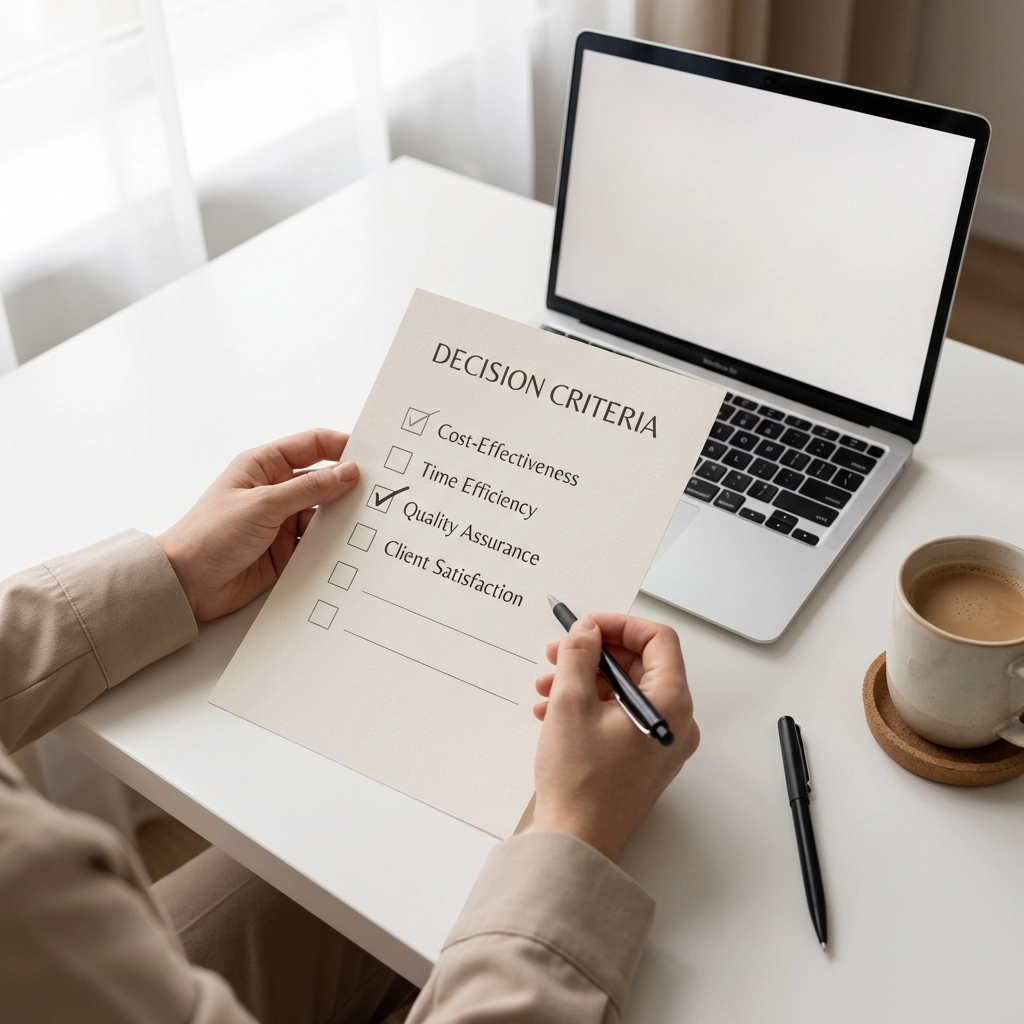
Quick Decision Checklist
Before you commit, ask yourself:
Schedule Questions:
- Can I commit to fixed class times?
- Do I have reliable quiet study time at home?
- How quickly do I need to complete this?
Learning Questions:
- Do I need immediate feedback to stay motivated?
- Am I comfortable troubleshooting technical issues alone?
- How important is networking to my goals?
Practical Questions:
- What's my total budget including hidden costs?
- Does the course offer IRS AFSP certification?
- What's the provider's completion rate and job placement record?
Goal Questions:
- Am I doing this for personal knowledge or career change?
- Do I want to work for someone else or start my own practice?
- How important are credentials vs. practical skills?
The bottom line? Both online and in-person tax preparation courses can work in 2026. The key is honestly assessing your learning style, goals, and practical constraints. Don't just go with what sounds easier or cheaper – go with what actually fits your situation and gives you the best chance of success.
The tax preparation field offers solid opportunities for those who get properly trained and stay current. Whether you get there through a screen or a classroom matters less than whether you actually complete the training and apply what you learn.