
We're barely a week into 2026, and the tax preparation landscape is already looking dramatically different from just a few years ago. If you're a tax professional or someone who works closely with tax preparers, you've probably noticed some major shifts happening in real time.
The industry is experiencing some of the most significant changes we've seen in decades. From pricing structures that would make your head spin to technology that's reshaping how we work with clients, staying ahead of these trends isn't just smart business, it's survival.
Let's dive into the three biggest tax preparation trends 2026 is bringing our way, and more importantly, what you can do about them right now.
Trend 1: AI-Powered Tax Technology Is Finally Ready for Prime Time
After years of promises, tax technology is having its breakthrough moment in 2026. We're not talking about basic software upgrades anymore, we're seeing AI tools that can actually handle complex tax situations with accuracy that rivals experienced preparers.

The real game-changer is how these tools are being integrated into existing workflows. Instead of replacing tax professionals, the best AI solutions are becoming powerful assistants that handle routine calculations, flag potential issues, and even suggest optimization strategies.
What's driving this shift? Client expectations, mainly. People are used to instant everything in their personal lives, and they're bringing those same expectations to tax preparation. They want faster turnarounds, more accurate projections, and better communication throughout the process.
Smart tax pros are embracing these tools rather than fighting them. The firms we're seeing thrive are the ones using AI to handle the routine stuff so they can focus on strategy, complex problem-solving, and client relationships, the things that actually require human expertise.
How to stay ahead: Start experimenting with AI tools now, even if it's just for basic tasks like data entry or preliminary reviews. The learning curve is real, but the competitive advantage for early adopters is significant.
Trend 2: Dramatic Price Increases and Market Restructuring
Here's a trend that's hitting everyone hard: tax preparation costs are skyrocketing. We're talking about a 45.7% increase in just two years for basic Form 1040 preparation with schedules, from $162 in 2024 to $236 in 2026.
This isn't your typical inflation adjustment. It's a complete restructuring of how the market works. Nearly 90% of accounting firms have raised their rates for individual tax returns, and the variation between different markets is getting extreme. CPAs in major cities are charging 25-40% more than their rural counterparts, with New York firms reporting baseline charges of $200-300 for simple returns.

The driving force behind these increases is a perfect storm of factors: rising operational costs, increased regulatory requirements, and most significantly, a severe shortage of qualified tax professionals. When demand is high and supply is low, prices go up, it's basic economics.
For tax professionals, this creates both opportunities and challenges. Yes, you can charge more, but you also need to deliver more value to justify those higher fees. Clients are becoming more price-conscious and selective about which services they're willing to pay for.
How to stay ahead: Move away from hourly billing toward flat-fee or project-based pricing. Be transparent about what drives costs, and consider offering different service tiers to accommodate various budgets. If you're on the client side, evaluate whether your tax situation truly requires professional help or if quality software might meet your needs.
Trend 3: IRS Compliance Challenges and Processing Delays
The third major trend reshaping tax preparation in 2026 is something that affects everyone: the IRS is struggling with operational strain, and it's creating ripple effects throughout the entire tax season.
Processing delays that used to take 30 days are now stretching to 90 days or longer. Correspondence that should be resolved quickly is sitting in backlogs for months. This isn't just an inconvenience: it's creating real business challenges for tax preparers and anxiety for taxpayers.
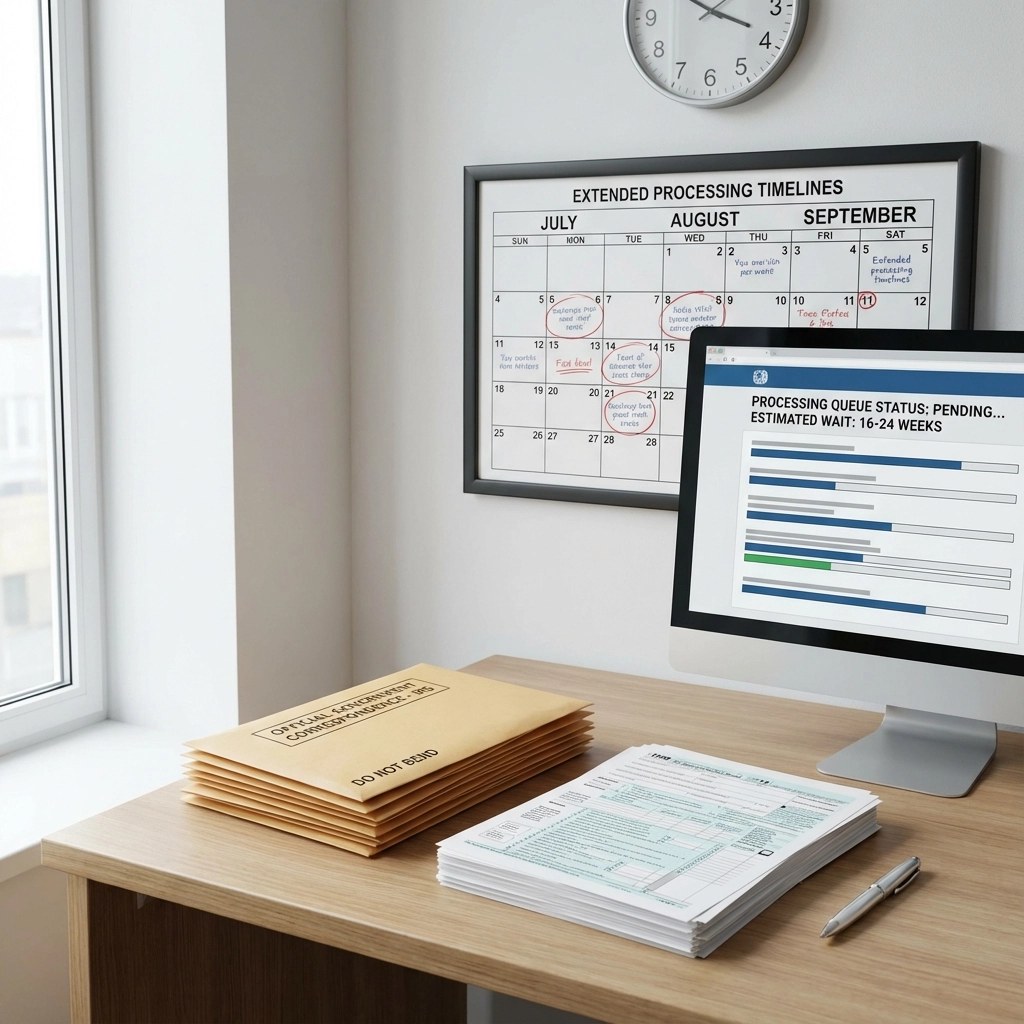
What's particularly frustrating is the unpredictability. Some returns sail through without issues, while others get caught in processing limbo for reasons that aren't always clear. This uncertainty makes it harder to set realistic expectations with clients and manage cash flow.
IRS compliance requirements are also becoming more complex. The agency is using better technology to catch discrepancies and flag returns for review, which means accuracy is more important than ever. A small mistake that might have been overlooked in previous years could trigger a lengthy correspondence process now.
How to stay ahead: File early and file accurately. Don't wait until mid-April to submit returns. Build extra time into your client communication timeline to account for potential delays. Document everything meticulously: if the IRS comes asking questions months later, you'll need clear records to support your positions.
Quick Actionable Takeaways for Tax Professionals
Ready to get ahead of these trends? Here's your action plan:
Embrace technology selectively. You don't need to adopt every new tool, but identify 2-3 areas where automation could free up your time for higher-value work.
Restructure your pricing now. If you're still billing hourly, consider moving to fixed-fee arrangements that reflect the complexity and value of your work rather than just time spent.
Improve your client communication systems. With IRS delays becoming the norm, proactive communication about timelines and potential issues is essential for maintaining client satisfaction.
Invest in accuracy processes. Double-check everything before filing. The cost of getting it right the first time is much lower than dealing with IRS correspondence later.
Plan capacity carefully. With the talent shortage ongoing, you can't take on unlimited clients and expect to maintain quality. Be strategic about which engagements you accept.
The tax preparation industry in 2026 is demanding more from everyone: more technology savvy, more strategic thinking, more client communication, and more attention to detail. The good news is that professionals and firms that adapt to these trends are positioned to thrive in ways that weren't possible just a few years ago.
The key is starting now. These trends aren't slowing down, and the competitive advantages go to those who get ahead of the curve rather than react to it.