
Tax season 2025 is approaching fast, and if you're like most tax professionals, you're probably thinking about brushing up on your skills or getting certified. But here's the thing – a lot of folks are making some pretty costly mistakes when it comes to choosing and completing tax preparation courses.
Don't worry, we've all been there. Whether you're just starting out or you've been in the game for years, these course-related slip-ups can seriously impact your practice. Let's dive into the seven biggest mistakes tax professionals make with their education and, more importantly, how to fix them.
Mistake #1: Going for the Cheapest Option Without Checking Quality
We get it – budgets are tight, and that $99 online course looks pretty tempting compared to the $500 comprehensive program. But here's what happens when you go bargain hunting without doing your homework.
Sarah, a new tax preparer, learned this the hard way. She grabbed the cheapest course she could find online, thinking she'd save a few bucks. Three weeks in, she realized the materials were from 2019, the instructor was nowhere to be found, and the "practice scenarios" were basic math problems that had nothing to do with real tax situations.
The Fix: Don't just look at price tags. Check when the course was last updated, read reviews from actual students, and make sure the provider is accredited. Look for courses that offer current 2025 tax law updates and real-world scenarios. Yes, you might pay a bit more upfront, but you'll save yourself the headache (and money) of having to retake everything.

Mistake #2: Skipping the Hands-On Practice
This one's huge. Too many people think they can just watch videos, memorize some forms, and boom – they're ready to handle clients. But tax preparation isn't like riding a bike; it's more like performing surgery. You need practice, and lots of it.
Mike thought he was all set after acing his online exam. Then his first client walked in with multiple 1099s, Schedule C income, and a pile of receipts. He froze. All that theory went out the window when faced with real-world complexity.
The Fix: Look for courses that include plenty of practice scenarios with different types of returns. Work through sample cases that mirror what you'll actually see in your office. If your course doesn't offer enough practice material, supplement it with additional workbooks or practice software. The more varied scenarios you work through during training, the more confident you'll be with real clients.
Mistake #3: Thinking Tax Software Makes You an Expert
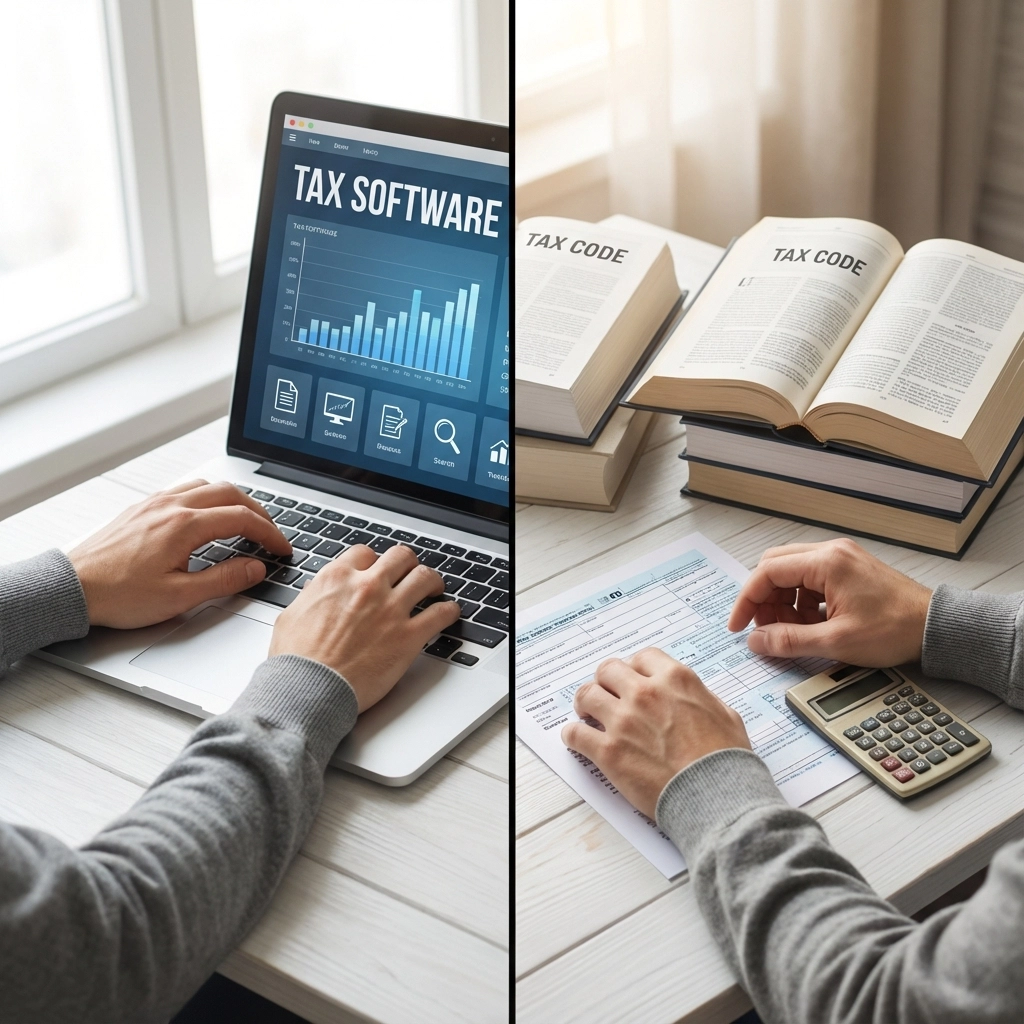
Here's a big misconception: "If I can use TurboTax, I can do anyone's taxes." Tax software is a tool, not a substitute for knowledge. It's like saying a calculator makes you a mathematician.
Jennifer completed her certification and felt confident because she could navigate the software like a pro. But when a client's dependent status didn't qualify for a credit, the software didn't catch it – because it didn't have all the context. Her lack of foundational knowledge cost her client money and her reputation took a hit.
The Fix: Master the fundamentals first, then learn the software. Understand why certain deductions apply, when credits can be claimed, and how different life situations affect tax liability. The software should confirm your knowledge, not replace it. Choose courses that emphasize tax theory and regulations alongside software training.
Mistake #4: Ignoring the Business Side Completely
This mistake kills more tax practices than bad technical skills. You can be a tax preparation wizard, but if you don't know how to run a business, you're setting yourself up for failure.
Most tax prep courses focus 100% on the technical stuff – forms, calculations, regulations. They completely skip over how to price your services, market your practice, handle difficult clients, or manage your workflow during busy season.
The Fix: Look for comprehensive programs that include business training or supplement your technical education with business courses. Learn about pricing strategies, client communication, marketing on a budget, and practice management. Understanding both sides – technical and business – is what separates successful tax professionals from those who struggle.
Mistake #5: Treating Education Like a One-and-Done Deal
Tax laws change constantly. What you learned last year might be outdated this year. Yet many tax preparers think their initial certification is enough to carry them through their entire career.
The IRS updates regulations, Congress passes new laws, and client situations become more complex every year. If you're not staying current, you're falling behind – and potentially exposing yourself and your clients to costly errors.
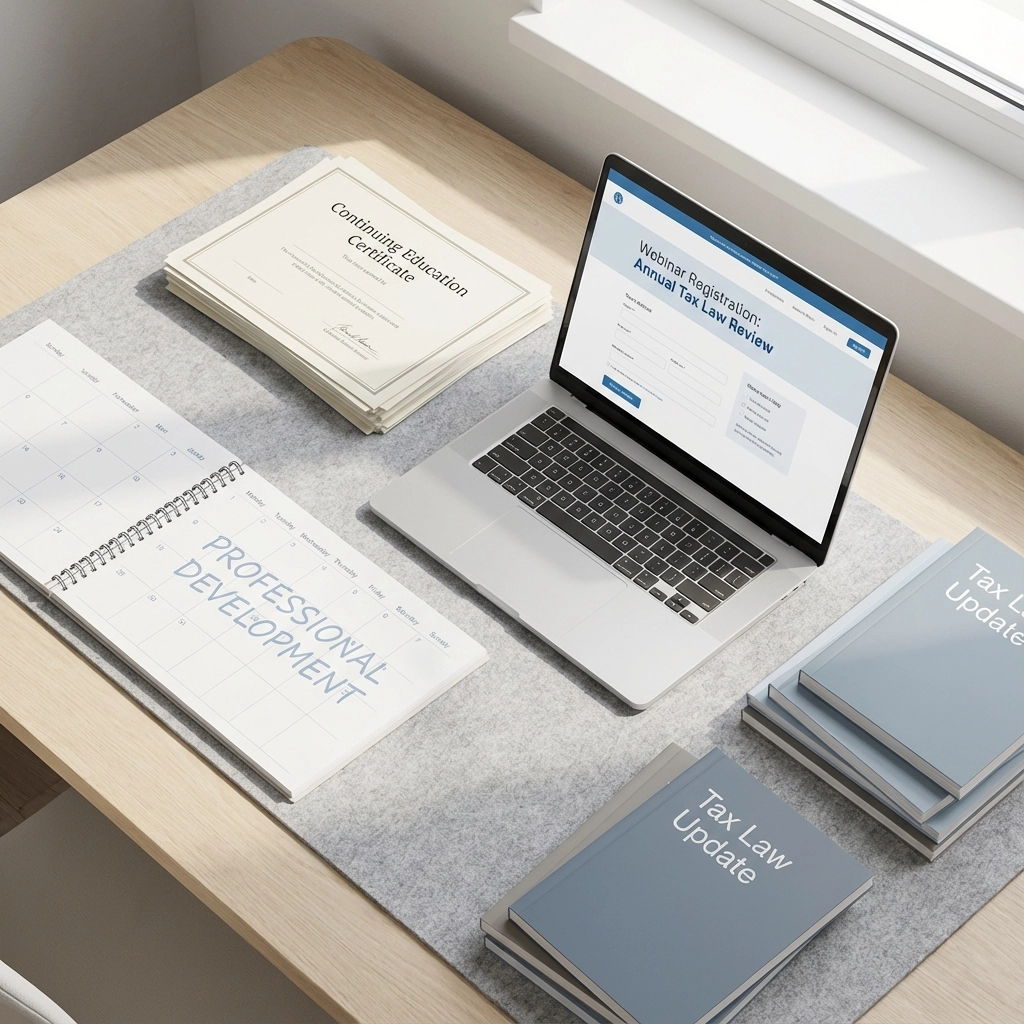
The Fix: Build continuing education into your annual routine. Don't wait until your renewal is due. Subscribe to tax publications, attend quarterly webinars, and take refresher courses regularly. Make learning part of your business model, not just a compliance requirement.
Mistake #6: Choosing Courses Without Proper Instructor Support
Online learning has made tax education more accessible, but it's also created a problem: too many courses offer zero instructor interaction. You're left to figure things out on your own, and when you get stuck, you're stuck.
The Fix: Before enrolling, find out what support is available. Can you email questions to an instructor? Are there live Q&A sessions? Is there a forum where students help each other? Good courses provide multiple ways to get help when you need it. If the course doesn't offer adequate support, keep looking.
Mistake #7: Not Aligning Your Course Choice with Your Career Goals
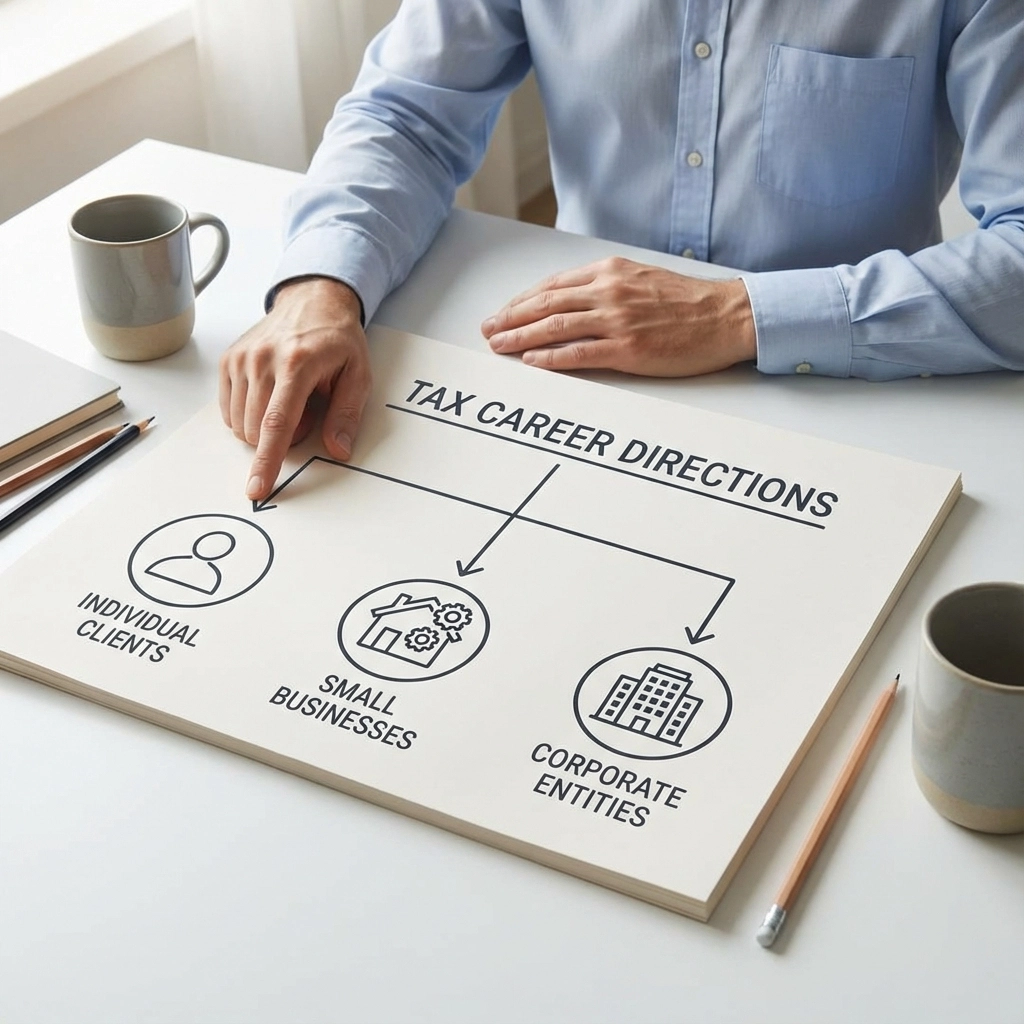
Are you planning to work for someone else, or do you want to start your own practice? Will you focus on individual returns or business taxes? Are you targeting basic returns or complex situations?
Too many people take generic courses that don't match their specific goals. Then they find themselves either over-prepared for simple work or under-prepared for their target market.
The Fix: Get clear on your goals before choosing a course. If you want to work with small businesses, make sure your program covers Schedule C, payroll basics, and quarterly filings. If you're targeting individual returns, focus on courses that cover common personal tax situations thoroughly. Match your education to your career path.
Getting It Right in 2025
The tax preparation industry is more competitive than ever. Clients expect expertise, accuracy, and professionalism. The course you choose and how you approach your education can make or break your success.
Don't let these common mistakes derail your tax career. Take the time to choose quality education that matches your goals, includes plenty of practice, covers both technical and business skills, and provides ongoing support.
Remember, your education is an investment in your future – and your clients' financial well-being. Make it count.
At TIG Tax Pros, we understand the challenges tax professionals face. Whether you're just starting out or looking to level up your practice, having the right tools and knowledge makes all the difference. Avoid these seven mistakes, and you'll be well on your way to building a successful, sustainable tax practice that serves your clients well and grows your bottom line.
The 2025 tax season will be here before you know it. Make sure you're ready.