
Your phone's been ringing off the hook. Another client just called, panicking because they sold $3,000 worth of handmade jewelry on Etsy last year and heard they need to report a 1099-K. Meanwhile, the client before them made $15,000 through PayPal and is confused about why they didn't receive any forms.
Welcome to 1099-K season 2026, where the rules have changed more times than most of us can count.
What Changed (And When)
The 1099-K reporting requirements have been a moving target. The American Rescue Plan Act initially dropped the threshold to $600, causing widespread panic among casual sellers and side hustlers. Then in July 2025, the One Big Beautiful Bill Act reversed course, bumping it back up to the original $20,000 threshold.
Here's what matters right now: For the 2025 tax year you're filing in 2026, clients need both $20,000 in payments AND 200 transactions to trigger a 1099-K.
Both conditions must be met. Not one or the other. Both.
The Forms Aren't Interchangeable
One of the biggest sources of confusion? Clients think all 1099 forms follow the same rules. They don't.
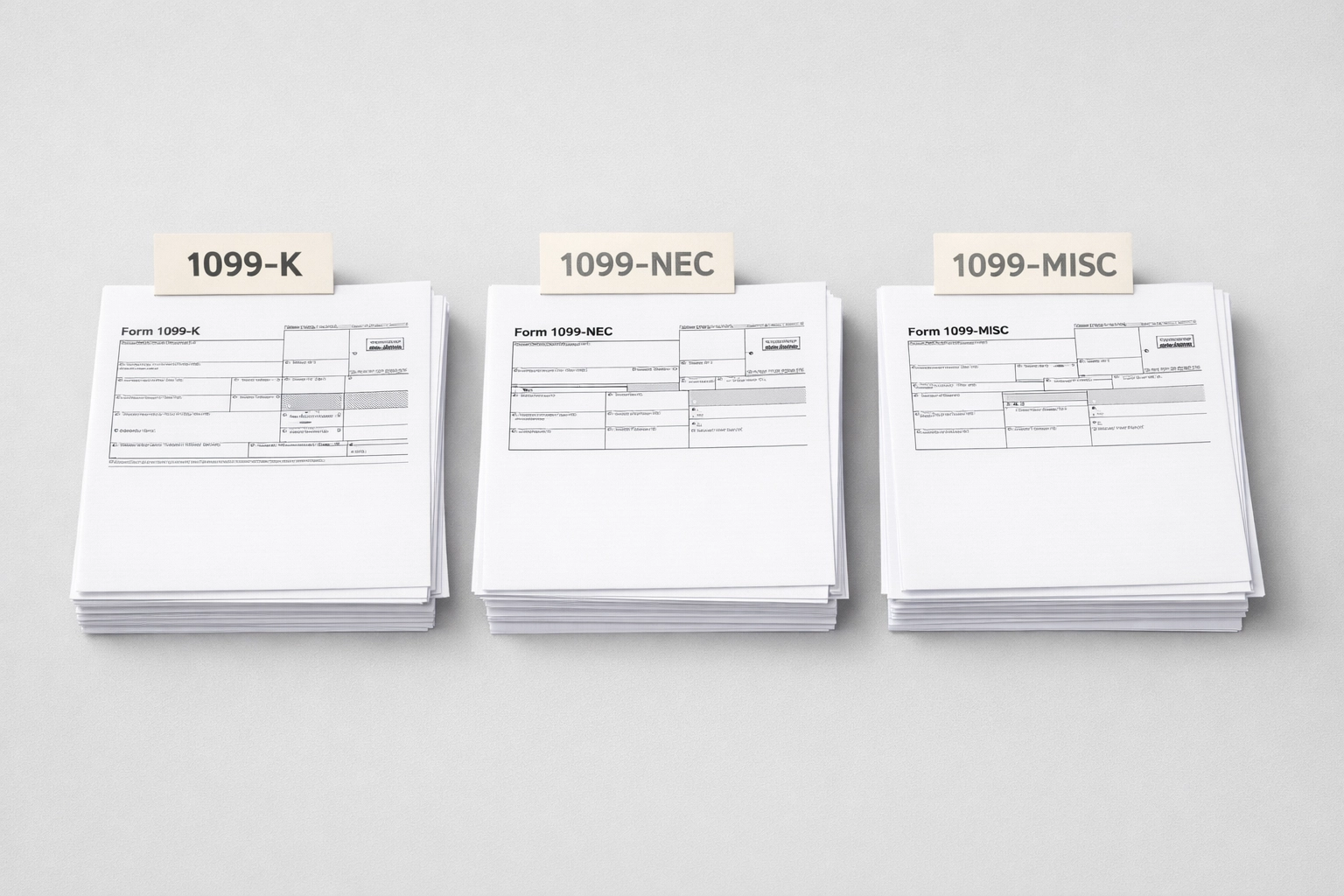
1099-K tracks payment processor transactions. Think PayPal, Venmo for business, Stripe, Square. Current threshold: $20,000 plus 200 transactions.
1099-NEC covers direct payments to independent contractors. Starting with 2026 income, the threshold increases from $600 to $2,000.
1099-MISC handles other types of payments like rent or prizes. Same deal as 1099-NEC: $2,000 threshold for 2026 forward.
The payment processor platforms (1099-K) follow different rules than direct vendor payments (1099-NEC/MISC). When clients don't understand this distinction, they end up comparing apples to oranges.
Client Questions You'll Hear on Repeat
"I made $5,000 on Poshmark. Where's my 1099-K?"
You won't get one unless you also had 200+ transactions. The threshold requires both dollar amount and transaction count. If your client sold 50 items for $100 each, they met the dollar threshold but not the transaction count.
"My friend got a 1099-K for $800. Why didn't I get one for $2,000?"
Your friend might have received their form under different state requirements or older federal rules if they're looking at forms from previous tax years. For 2025 income being reported in 2026, the federal threshold is clear: $20,000 and 200 transactions.
"Do I still need to report income if I didn't get a form?"
Yes. This is the most important point to drive home. The IRS doesn't care whether your client received a form. All taxable income must be reported. The forms exist to help the IRS cross-reference, not to determine what's taxable.
What About 2027 and Beyond?
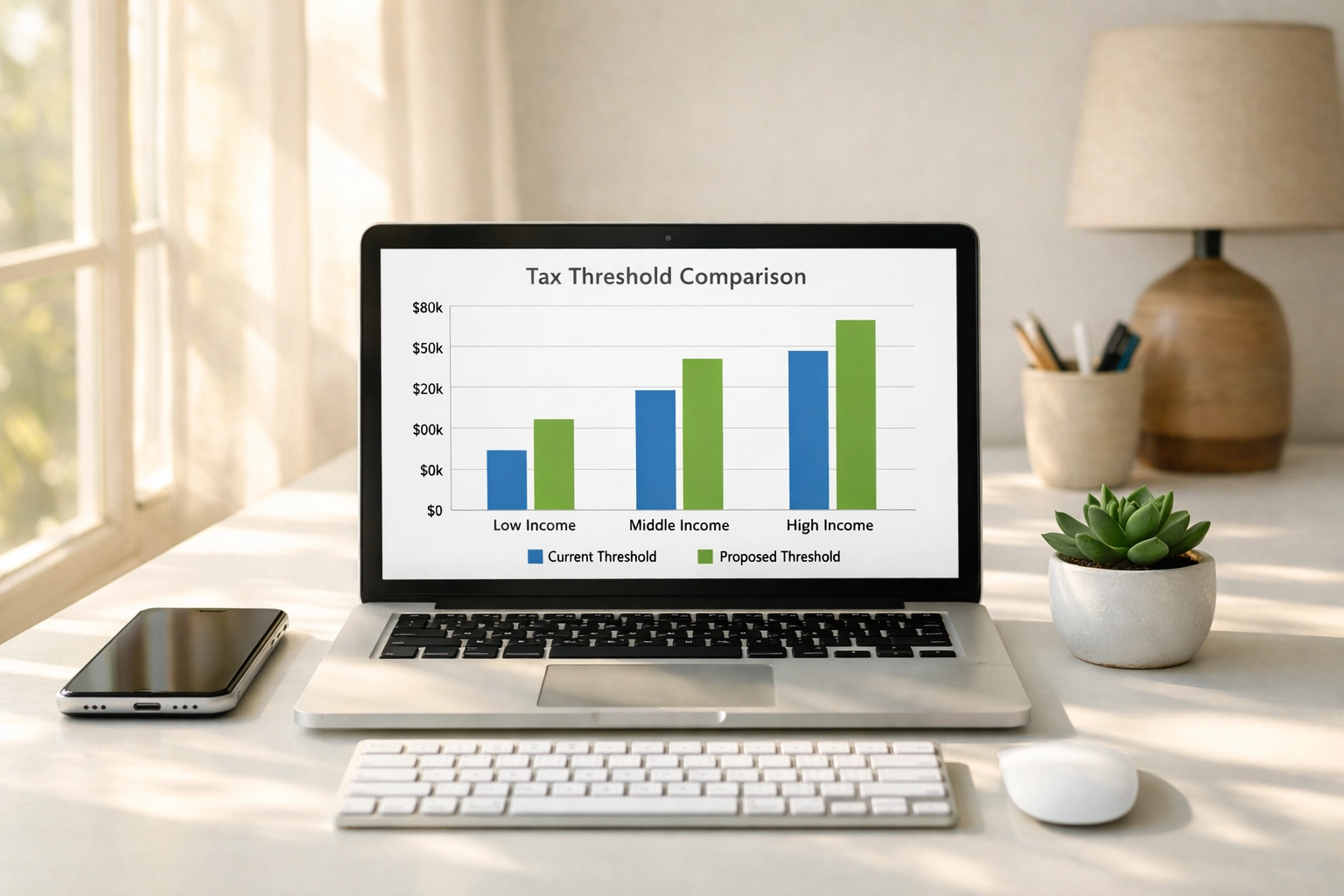
Starting with 2027 income, both the $20,000 threshold (for 1099-K) and the $2,000 thresholds (for 1099-NEC and 1099-MISC) will adjust annually for inflation. This means the amounts will likely increase each year, though probably not by huge jumps.
For tax pros, this creates a new annual task: staying current on inflation-adjusted thresholds and communicating changes to clients.
How to Handle These Conversations
Keep it simple. Don't recite the entire legislative history of the American Rescue Plan Act. Your clients don't need to understand congressional politics. They need to know: what threshold applies right now, what income they need to report, and whether they're compliant.
Use examples. Real-world scenarios stick better than abstract rules. "You sold $10,000 worth of vintage records on Discogs through 50 transactions? You won't get a 1099-K because you didn't hit 200 transactions."
Separate reporting from taxation. Many clients think no form = no taxes owed. Make it crystal clear that reporting thresholds and tax obligations are separate issues. Income is income, regardless of paperwork.
Document everything. When you explain these thresholds to clients, follow up with a brief email summarizing what you discussed. This protects you when clients claim they "didn't know" about reporting requirements.

Building Client Trust Through Confusion
Here's the opportunity most tax pros miss: confusion creates value.
When rules change constantly, clients need someone who stays current and explains things clearly. That's you. The 1099-K chaos isn't a headache: it's a chance to demonstrate why professional tax help matters.
Send proactive updates. Don't wait for clients to call with questions. A simple email blast in January explaining current thresholds positions you as the expert who's on top of changes.
Create simple reference materials. A one-page chart showing different 1099 forms and their thresholds becomes a valuable client resource they'll actually use (and share with friends who need a tax pro).
Use confusion as an engagement tool. "Confused about 1099-K rules? Let's review your situation together" makes for an excellent spring outreach campaign.
The Recordkeeping Conversation
While you're explaining 1099-K thresholds, address recordkeeping. Many clients assume that if they don't receive a form, they don't need to track that income carefully.
Wrong.
Platform sellers should maintain their own transaction records regardless of whether they hit reporting thresholds. Payment processor statements, sales records, and expense documentation matter just as much at $5,000 in income as they do at $50,000.
Common Mistakes to Watch For
Clients who split transactions across platforms to avoid thresholds. Some think they're clever dividing $25,000 in sales between two platforms to stay under the limit. The income is still taxable, and this strategy can trigger other red flags.
Mixing personal and business transactions. Clients who use Venmo for both personal reimbursements and business payments create a mess. They'll receive a 1099-K for everything, but not all of it represents taxable income.
Misunderstanding "gross proceeds." The 1099-K reports gross payment volume, not profit. A client who sold $20,000 in merchandise they purchased for $15,000 still shows $20,000 on their 1099-K. They need to report the gross income and then deduct their cost of goods sold.
Your Action Plan
For current season: Focus on educating clients about the $20,000/200 transaction threshold while reminding them that all income is taxable regardless of forms received.
For next season prep: Start tracking the inflation-adjusted thresholds for 2027. The IRS will publish updated amounts later this year.
For business growth: Package your 1099-K expertise into client communications that position you as the go-to professional for platform sellers and gig workers.
The 1099-K confusion isn't going away. Between inflation adjustments, state-specific rules, and potential future legislative changes, these questions will keep coming. Tax pros who can explain complex rules in plain English while keeping clients compliant have a significant competitive advantage.
Your clients don't need to understand why Congress changed the threshold three times. They need to know whether they're filing correctly and whether they'll owe taxes. Give them that clarity, and you've just earned a client for life.