

Tax season hits hard. Returns pile up. Clients want their refunds yesterday. And you're stuck juggling spreadsheets, sticky notes, and half-completed forms trying to keep your ERO workflow from falling apart.
Most tax pros think they need an EFIN to streamline operations. Wrong. There's a simpler way.
The Real Bottleneck in Your ERO Workflow
The problem isn't your e-filing process. It's what happens before you even touch tax software.
Think about it. How much time do you waste tracking down missing documents? Clarifying unclear client information? Re-entering data because the intake form was incomplete?
That's where your workflow breaks down. Not in the filing. In the intake.
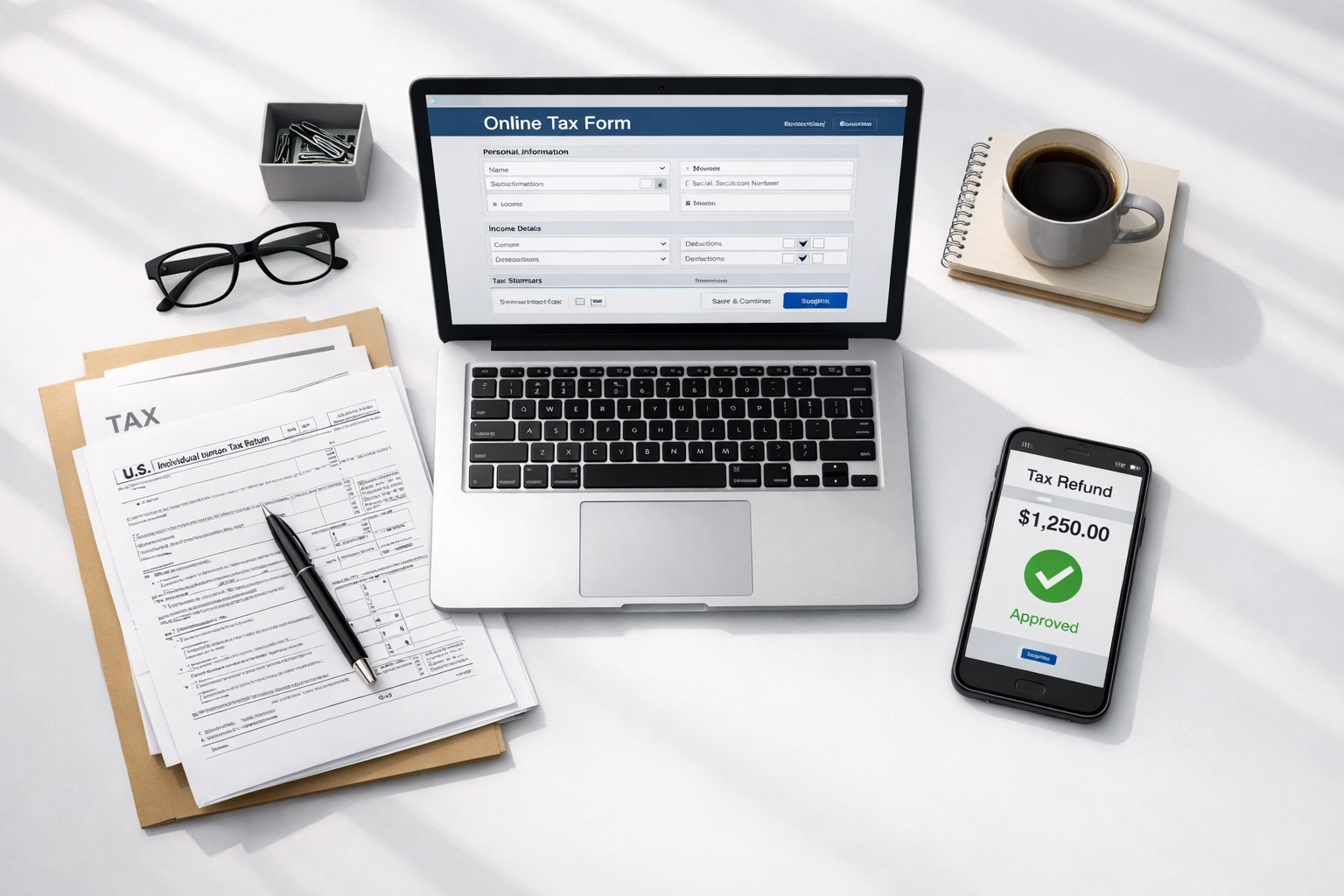
The average tax preparer spends 40% of their time on administrative tasks that have nothing to do with actual tax preparation. That's nearly half your day gone before you even calculate a single deduction.
Why Everyone's Wrong About EFIN Requirements
Here's what most people believe: "I need my own EFIN to run an efficient operation."
Not true.
An EFIN (Electronic Filing Identification Number) lets you file returns directly with the IRS. But getting one means:
- Meeting strict IRS requirements
- Passing a suitability check
- Maintaining compliance standards
- Managing e-file infrastructure
- Handling transmission responsibilities
That's a lot of overhead for a small practice.
The reality? You can have a streamlined ERO workflow without owning an EFIN. You just need to partner with the right service bureau.
The Simple Trick: Standardize Your Client Intake
The fix isn't complicated. Create a standardized client intake system.
Stop treating each client like a unique snowflake requiring a custom process. Build one solid intake workflow that works for everyone.
Here's what this looks like:
1. Use One Digital Intake Form
Paper forms are dead. Clients fill out digital forms on their schedule. No more deciphering handwriting. No more missing fields. The system won't let them submit until everything's complete.
2. Create a Standard Document Checklist
Every client gets the same checklist. W-2s, 1099s, mortgage interest statements, childcare expenses. Check. Check. Check. No more "I forgot my HSA statement" three days before the deadline.
3. Set Up Automatic Reminders
Your system sends reminders. Not you. Client hasn't uploaded their documents? Reminder goes out automatically. Interview scheduled for tomorrow? They get a text reminder. You focus on tax prep, not babysitting.

How Service Bureau Partnerships Eliminate EFIN Headaches
Pair your standardized intake with a service bureau partnership. This is the secret sauce.
A service bureau uses their EFIN to transmit your returns. You prepare. They file. Simple.
Benefits:
Zero IRS compliance burden on you. The service bureau handles all IRS communication, transmission security, and regulatory requirements.
Start filing immediately. No waiting months for IRS approval. You're operational today.
Lower overhead costs. No e-file software subscriptions. No transmission infrastructure. No security compliance expenses.
Professional support. When transmission issues pop up, the bureau handles them. You keep preparing returns.
This isn't cutting corners. Major tax franchises use service bureaus. EROs at every level use them. It's a legitimate business model that keeps your workflow lean.
The Implementation Steps
Ready to fix your workflow? Here's the action plan.
Step 1: Document Your Current Process
Write down every step from "client calls" to "return filed." Include everything. Even the parts that seem obvious. You can't improve what you don't understand.
Step 2: Identify Your Intake Bottlenecks
Where do clients get stuck? Where do you waste time? Missing documents? Unclear forms? Scheduling confusion? Circle the problem areas.
Step 3: Create Your Standard Intake Package
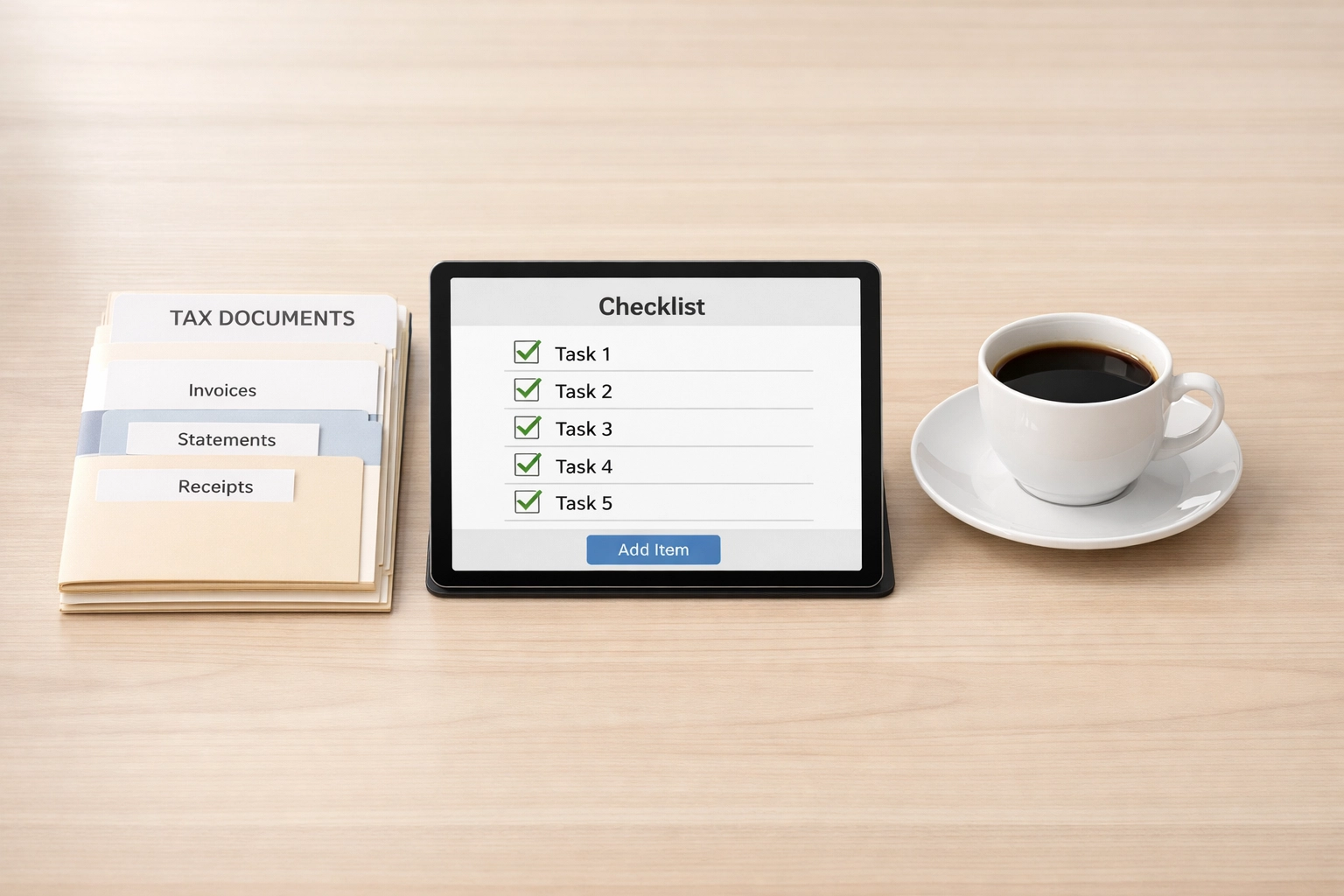
Build one intake form. One document checklist. One welcome email. One scheduling process. Make copies of the same system for every client type (W-2 employees, self-employed, rental property owners).
Step 4: Choose Your Digital Tools
Pick client portal software. Secure document upload. E-signature capability. Appointment scheduling. These tools exist. Use them. Many have free or low-cost options for small practices.
Step 5: Connect with a Service Bureau
Research service bureaus in your area. Compare pricing. Ask about support. Check transmission success rates. Pick one. Sign up.
Step 6: Test Your New System
Run five clients through the new process before tax season hits hard. Fix what breaks. Adjust what's clunky. Then scale it up.
What This Actually Looks Like in Practice
Client calls. Your system immediately sends them:
- Secure portal login
- Digital intake form link
- Document upload checklist
- Available appointment times
Client completes intake form. System checks for missing fields. Won't submit until complete.
Client uploads documents to secure portal. System confirms receipt. Sends them a confirmation.
System schedules appointment automatically based on their availability and yours.
You open their file. Everything's there. Everything's organized. You prepare the return. Submit to service bureau. They transmit. Done.
No phone tag. No missing documents. No re-entering data. No compliance headaches.
The Real Results
Tax preparers using standardized intake systems report:
- 60% reduction in client communication time
- 45% fewer missing document issues
- 30% more returns completed per season
- Zero time dealing with IRS transmission requirements
That's not theoretical. That's measurable improvement.
The ERO workflow trick isn't sexy technology or expensive software. It's systematic client intake paired with service bureau partnerships.

Common Objections (And Why They're Wrong)
"My clients prefer paper forms."
Your clients prefer convenience. Digital forms are more convenient. They can complete them at midnight in their pajamas. Try it. You'll see.
"Service bureaus cost too much."
Compare service bureau fees to EFIN overhead. Software subscriptions. Security compliance. Transmission infrastructure. Time dealing with IRS requirements. Service bureaus are cheaper.
"I like having control over everything."
You're controlling the wrong things. Control the client relationship. Control the tax preparation quality. Let specialists handle e-file transmission.
"My practice is too small for systems."
Your practice is too small NOT to have systems. Big firms can afford inefficiency. You can't. Systems let small practices compete with large ones.
Next Steps
Start this week. Pick one piece of your intake process. Standardize it. Then move to the next piece.
You don't need an EFIN to run an efficient ERO workflow. You need standardized processes and the right partnerships.
The complicated EFIN route isn't the only path. The simple intake system works better for most small and mid-size practices.
Tax season's brutal enough without fighting your own workflow. Fix your intake. Partner with a service bureau. Get back to what you're actually good at: preparing taxes.
Visit TIG Tax Pros to learn more about streamlining your tax practice operations.