

Think becoming a tax professional takes years of accounting school and expensive certifications? Think again. You can start filing taxes professionally in as little as a few weeks, even if you've never prepared a tax return in your life.
Here's the straight path to launching your tax preparation career without the fluff.
What You Actually Need (Spoiler: It's Less Than You Think)
The barrier to entry in tax preparation is surprisingly low. You don't need a college degree in accounting. You don't need to be a CPA. You don't even need prior experience in finance.
Here's what you do need:
- A high school diploma or GED
- A tax preparation course completion
- A Preparer Tax Identification Number (PTIN) from the IRS
- An Electronic Filing Identification Number (EFIN) if filing more than 10 returns
- Basic computer skills
That's it. Everything else is optional, though getting additional certifications can help you stand out and charge more for your services.
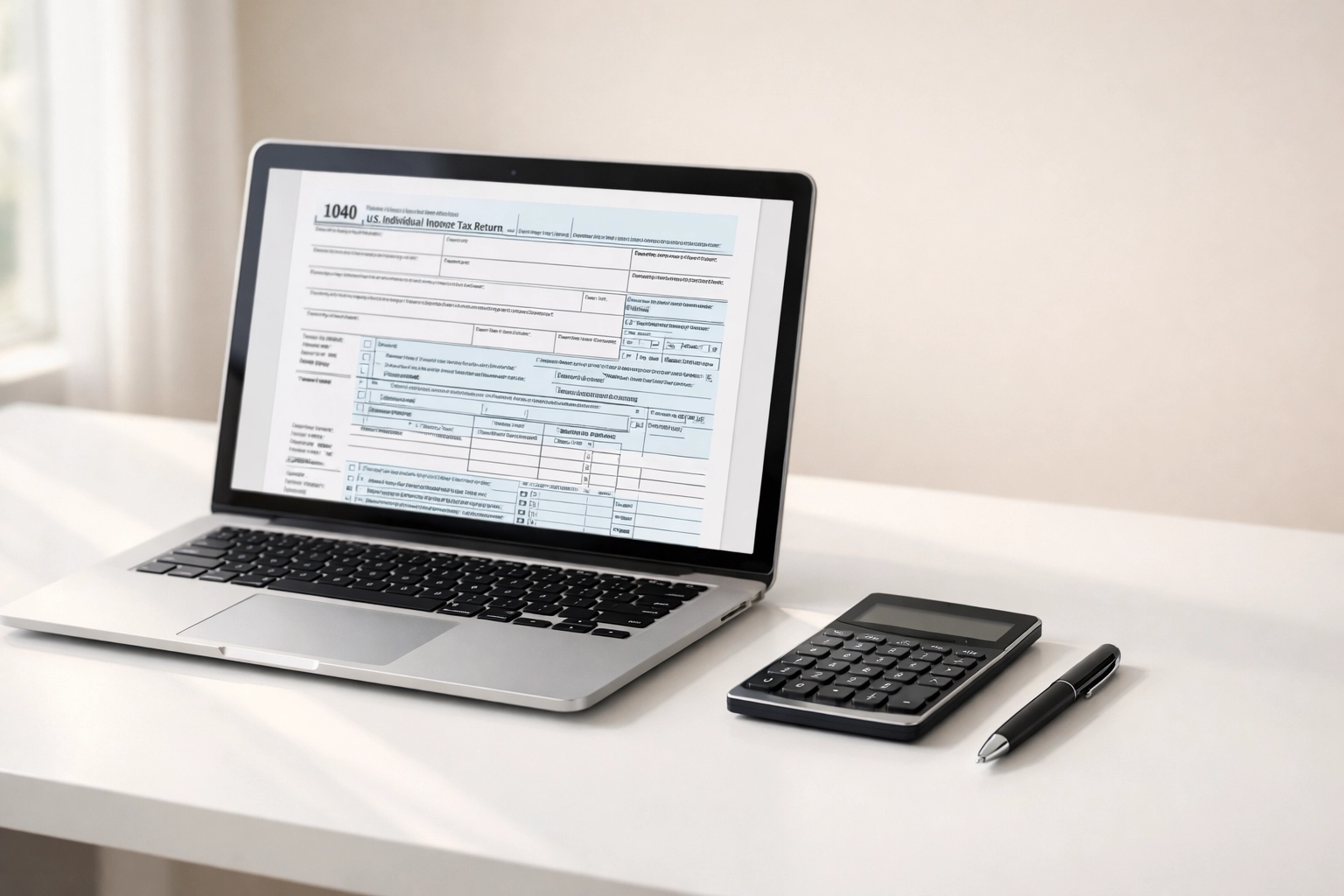
Step 1: Complete a Tax Preparation Course
This is your foundation. A quality tax preparation course teaches you current tax laws, filing procedures, IRS regulations, and how to use professional tax software.
Most courses take 6-12 weeks to complete. Some accelerated programs can be finished in as little as 3-4 weeks if you're studying full-time.
TIG Tax Pros offers comprehensive training programs specifically designed for beginners. The courses cover everything from basic 1040 forms to complex business returns, plus you get hands-on practice with professional-grade software.
The best part? Many courses are self-paced, so you can complete them around your current job or other commitments.
What to Look for in a Course
- Coverage of current year tax laws
- Practice returns and real-world scenarios
- Training on professional tax software
- Ethics and IRS compliance guidelines
- Access to instructors for questions
- Continuing education options
TIG Tax Pros structures their training to get you job-ready fast, not just educated. You'll learn the practical skills you need to confidently prepare returns for real clients.
Step 2: Get Your PTIN
Your Preparer Tax Identification Number is required by law if you're preparing federal tax returns for compensation. This applies even if you're only doing one return for pay.
Getting your PTIN is straightforward:
- Visit the IRS PTIN website
- Complete the online application
- Pay the annual fee (currently $19.75)
- Receive your PTIN immediately
You'll need to renew your PTIN every year between October 16 and December 31. Set a calendar reminder so you don't forget.

Step 3: Obtain Your EFIN (If Needed)
If you're planning to e-file more than 10 returns in a calendar year, you need an Electronic Filing Identification Number from the IRS.
The EFIN application process takes longer than getting your PTIN:
- Complete IRS Form 8633 (Application to Participate in the IRS e-file Program)
- Submit required documentation (fingerprint cards, credit check authorization)
- Pass the IRS background check
- Wait for approval (typically 45 days)
Start this process early. The IRS conducts fingerprint checks and credit reviews, which takes time. Apply at least 60 days before you plan to start filing returns.
Step 4: Choose Your Business Structure
You can start filing taxes professionally as a sole proprietor, LLC, or corporation. Most beginners start as sole proprietors because it's simple and inexpensive.
Register your business name with your state if required. Get basic liability insurance to protect yourself. Set up a separate bank account for business transactions.
You don't need a fancy office. Many successful tax preparers work from home, especially when starting out.
Step 5: Get Your Tax Software
Professional tax software is essential. You can't file taxes professionally using consumer products like TurboTax.
TIG Tax Pros provides access to professional-grade software through their service bureau model. This eliminates the biggest upfront cost for new preparers: commercial software licenses can run thousands of dollars annually.
The service bureau model means you get:
- Professional tax software without the hefty license fee
- Bank products for client refunds
- E-filing infrastructure
- Technical support
- Compliance assistance
This is huge for beginners. You can start taking clients immediately without a massive software investment.
The TIG Tax Pros Advantage
Starting with TIG Tax Pros gives you a significant head start. Their onboarding program is built specifically for people with zero experience who want to start filing taxes professionally.
You get:
Comprehensive Training: Step-by-step courses covering individual and business returns. No prior knowledge assumed.
Software Access: Use professional software without buying expensive licenses. Start with low overhead.
Ongoing Support: Technical help, tax law updates, and answers to your questions throughout tax season.
Service Bureau Infrastructure: E-filing, bank products, and compliance systems already in place.
Community: Network with other tax professionals at all experience levels.
The service bureau model removes the biggest barriers to entry. You focus on learning and building your client base, not managing technology infrastructure.
Step 6: Get Your First Clients
Marketing yourself as a new tax preparer doesn't require a big budget. Start with:
- Friends and family (offer discounted rates for testimonials)
- Social media posts announcing your services
- Local community boards and groups
- Partnerships with small businesses that need bookkeeping
- Word-of-mouth referrals
Be upfront that you're new but trained and certified. Many people prefer working with someone they know and trust over a big chain, even if you're just starting out.
Set competitive but fair prices. Don't undervalue your services, but recognize you're building experience and a reputation.

Realistic Timeline: Zero to Tax Pro
Here's what your journey actually looks like:
Weeks 1-8: Complete your tax preparation course. Study consistently but at your own pace.
Week 9: Apply for your PTIN (approved immediately) and EFIN (if needed).
Weeks 10-14: Set up your business structure, get insurance, establish your workspace.
Weeks 15-16: Onboard with TIG Tax Pros service bureau, set up software, complete any final compliance requirements.
Week 17: Take your first paying client.
That's roughly 4 months from complete beginner to working tax professional. Some people move faster. Others take a bit longer. Either way, it's not a multi-year commitment.
Continuing Your Education
Tax laws change every year. Good tax preparers never stop learning.
The IRS requires continuing education for certain credentials. Even if it's not required for you, stay current on tax law changes. TIG Tax Pros provides ongoing training and updates throughout the year.
Consider working toward additional certifications:
- Enrolled Agent (EA): Federal tax credential, allows you to represent clients before the IRS
- Annual Filing Season Program: IRS recognition program with continuing education requirements
- State-specific certifications if your state requires them
These credentials take time but increase your credibility and allow you to charge higher fees.
The Bottom Line
You can start filing taxes professionally in about 3-4 months, even with zero experience. The path is clear: get trained, get certified, get clients.
TIG Tax Pros makes the process easier by providing training, software, and infrastructure without massive upfront costs. You focus on learning and building your practice while they handle the technical backend.
The tax preparation industry needs competent preparers. People need help navigating complex tax situations. There's real demand for this service.
If you've been thinking about starting a tax preparation career, stop waiting for the "perfect" time. Get trained, get certified, and get started. Your first tax season as a professional could be just a few months away.
Visit TIG Tax Pros to learn more about their training programs and service bureau support for new tax professionals.