

February hits different for Electronic Return Originators. The rush is real. Clients flood in with W-2s, last-minute documents, and questions that need immediate answers. Systems get tested. Processes break down. Mistakes happen when preparation falls short.
The difference between chaos and control comes down to preparation. EROs who plan ahead handle peak volume without sacrificing accuracy or security.
Pre-Season Training Refreshers

Review your software before clients arrive. Run test returns. Verify all integrations work correctly. Check that security certificates remain current and authentication protocols function properly.
Train staff on updated tax law changes. February 2026 brings new reporting requirements for digital assets and gig economy income. Every team member needs current knowledge on filing thresholds, credit calculations, and documentation requirements.
Schedule role-specific training sessions:
- Client intake specialists need document verification protocols
- Tax preparers require software shortcuts and error-checking procedures
- Quality reviewers must understand common red flags and audit triggers
Practice scenario-based workflows. Run mock client sessions with complex returns. Time how long each process takes. Identify bottlenecks before real deadlines hit.
Communication Protocols That Work
Establish response time standards before volume increases. Set client expectations early. Automated email confirmations when documents arrive prevent "did you get my files" calls that eat up staff time.
Create a tiered support system. Simple questions get answered by intake staff. Complex tax situations route to senior preparers. Technical issues go directly to your software provider or ERO service partner.
Implement a task management system visible to the entire team. Everyone sees current workload, pending reviews, and urgent deadlines. No returns fall through the cracks because someone assumed another person handled it.
Schedule daily brief team meetings. Ten minutes each morning covers priority returns, blockers, and resource needs. Keep it focused. Document decisions.
Secure Document Handling Systems

Security breaches during peak season create disaster scenarios. Client data gets exposed. Your practice faces liability. The IRS may suspend your ability to file electronically.
Establish strict document handling procedures:
- Encrypt all client files at rest and in transit
- Use secure client portals instead of email attachments
- Implement two-factor authentication on all systems
- Restrict access based on role requirements
- Maintain audit logs of who accessed which files
Physical documents require equal protection. Lock filing cabinets. Limit office access. Shred documents immediately after scanning. Never leave client paperwork visible on desks overnight.
Create a breach response plan before you need it. Know who to contact. Understand notification requirements. Have legal counsel identified. The middle of tax season is not the time to figure this out.
Workflow Optimization Strategies
Process efficiency determines capacity. Small improvements compound when handling hundreds of returns.
Standardize your intake process. Use the same questionnaire for every client. Create checklists that identify missing documents immediately. Front-load the work of gathering complete information.
Batch similar returns together. Process all W-2-only returns in one block. Handle small business returns separately. Schedule complex situations during slower periods when possible.
Set up quality control checkpoints at multiple stages:
- Initial document review catches incomplete submissions
- Mid-process checks verify calculations and credits
- Final review confirms accuracy before e-filing
Use software automation where available. Many platforms offer error-checking features, calculation verification, and missing field alerts. Enable these tools. They catch problems before submission.
Technology and System Readiness
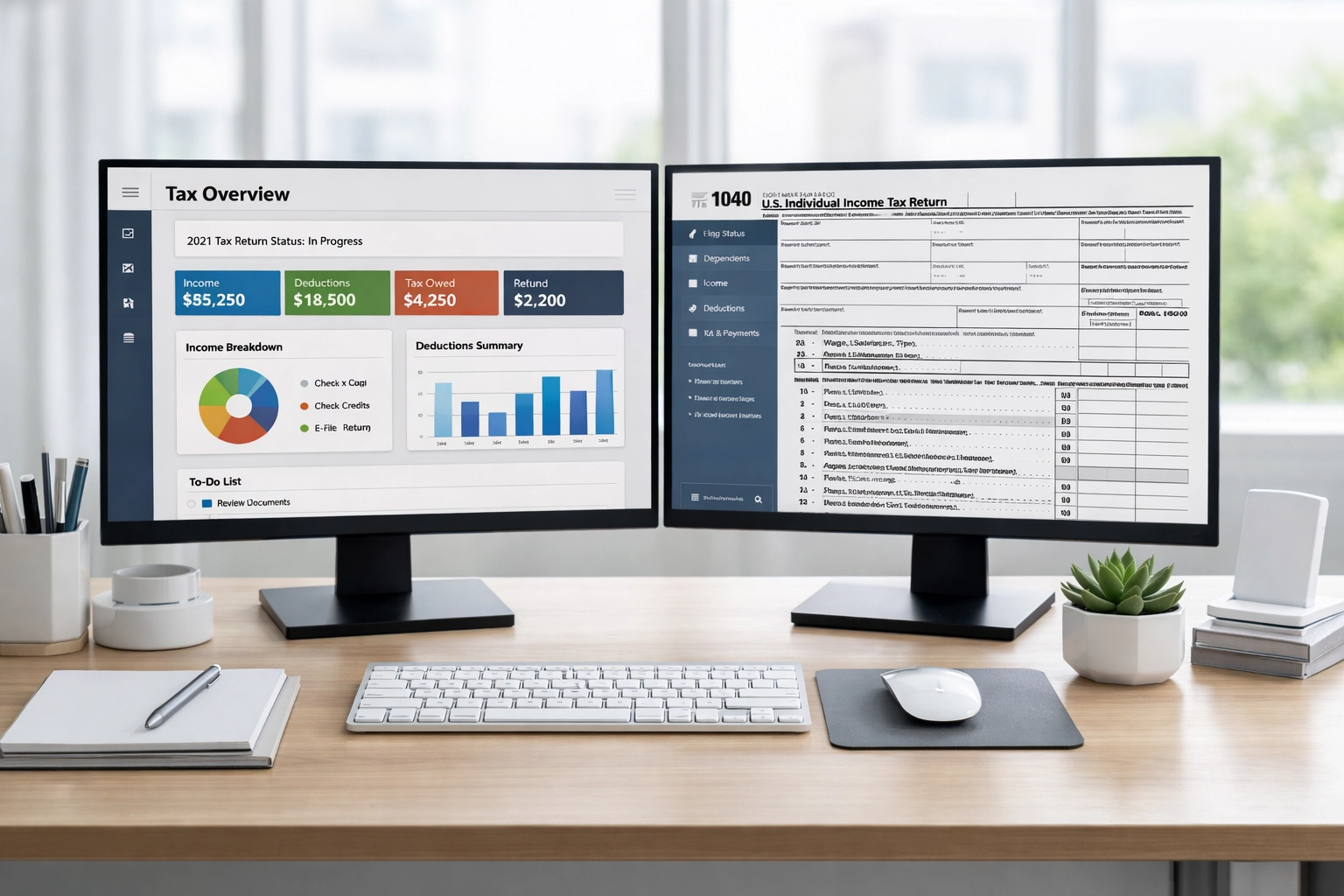
Test your infrastructure under load conditions. Run multiple returns simultaneously. Verify internet bandwidth handles peak usage. Confirm backup systems activate properly if primary connections fail.
Update all software to current versions. Outdated platforms create security vulnerabilities and compatibility issues with IRS systems. Schedule updates during off-hours to avoid downtime.
Implement redundancy:
- Maintain backup internet connections
- Use uninterruptible power supplies
- Store data in multiple secure locations
- Have alternate workstations available
Monitor system performance daily. Track processing speeds. Watch for slowdowns that indicate capacity issues. Address problems proactively rather than during critical deadlines.
Service Bureau Partnership Benefits
Working without an IRS EFIN creates specific challenges during peak season. Service bureaus like TIG Tax Pros provide the infrastructure needed to handle volume professionally.
Electronic filing through an established service bureau means:
- Immediate e-filing capability without EFIN wait times
- Bank product offerings for refund advances and disbursement options
- Technical support when issues arise
- Compliance assistance with IRS requirements
Service bureaus absorb the infrastructure burden. You focus on client relationships and accurate preparation. The backend processing, security protocols, and IRS connectivity become someone else's responsibility.
This model works particularly well for practices scaling up. Infrastructure costs remain variable rather than fixed. No investment in servers, security systems, or technical staff required.
Client Load Management
Know your capacity limits. Calculate realistic daily processing numbers based on return complexity and staff availability. Don't overcommit.
Implement appointment scheduling for in-person meetings. Block time for document review, preparation work, and quality control. Walk-in traffic during February creates chaos.
Offer staggered deadlines for different client segments. Priority service for early filers. Standard timelines for typical situations. Extended deadlines for complex returns that need proper attention.
When at capacity, refer overflow to trusted colleagues or pause new client acceptance temporarily. Reputation damage from rushed, error-filled returns costs more than turning away business.
Stress and Burnout Prevention
Peak season demands take a toll. Schedule breaks. Mandate time off. Burned-out preparers make expensive mistakes.
Rotate staff through different tasks. Data entry all day drains focus. Mix responsibilities to maintain engagement. Cross-training also creates flexibility when someone needs backup.
Set realistic daily goals. Celebrate completed milestones. Recognize strong performance. Small acknowledgments maintain morale through difficult periods.
February-Specific Considerations
February brings unique challenges. W-2s arrive late. Clients lack organized records. Forms get amended. Deadline pressure intensifies.
Build buffer time into schedules. February returns take longer than later-season work. Documents need more follow-up. Questions require additional research.
Maintain updated FAQs for common February issues:
- Missing W-2s and substitute documentation
- Amended 1099 forms that arrive after filing
- Estimated payment calculations for underpayment scenarios
- Extension filing procedures when time runs short
Track common problems that emerge. Document solutions. Update procedures for the following year.
Support Resources
TIG Tax Pros provides ERO services designed for peak season demands. Technical support teams understand February pressure. Response times stay consistent regardless of volume.
Access to bank products helps clients manage cash flow. Refund options matter during this period. Having solutions ready differentiates your practice.
Compliance support ensures accurate processing. Regular updates cover tax law changes and IRS requirement modifications. You stay current without dedicated research time.
The February rush tests every system. Preparation determines outcomes. Set protocols early. Train thoroughly. Monitor consistently. Partner strategically. Control replaces chaos when you build the right infrastructure before clients arrive.