
Understanding ERO Status and Service Bureau Models
An Electronic Return Originator (ERO) holds authorization from the IRS to electronically file tax returns. EROs with established infrastructure often provide service bureau support to tax preparers who lack their own Electronic Filing Identification Number (EFIN). This arrangement allows smaller practices to offer e-filing without maintaining their own IRS transmitter infrastructure.
Service bureau operations require specific technical capabilities, security protocols, and compliance measures. Texas tax professionals operating service bureaus must navigate both federal IRS requirements and state-specific regulations affecting their practice.
Texas ERO Registration Requirements
Texas EROs must complete IRS Form 8633 to apply for or renew their EFIN. The application requires fingerprinting, background checks, and disclosure of any prior tax violations. The IRS conducts suitability checks on all principals, responsible officials, and owners with 25% or more ownership interest.
Texas practitioners must maintain their PTIN (Preparer Tax Identification Number) and fulfill continuing education requirements. The Texas State Board of Public Accountancy mandates specific CE hours for CPAs operating as EROs. Non-credentialed preparers must complete Annual Filing Season Program requirements if offering service bureau support.
Security measures include passing an IRS Secure Access authentication process. EROs must implement written information security plans addressing physical, administrative, and technical safeguards per Publication 4557 requirements.
Service Bureau Infrastructure Components
Service bureau operations require dedicated technical infrastructure. Core components include:
E-Filing Software: Professional-grade tax software with multi-preparer licensing and batch filing capabilities. Software must support all federal forms and Texas state returns.
Transmitter System: Direct connection to IRS e-file system through approved transmitter software. Alternative arrangements include partnering with intermediate service providers.
Data Storage Solutions: Secure servers meeting IRS encryption standards. Cloud-based solutions must comply with FedRAMP or equivalent security certifications.
Communication Systems: Secure portals for preparer access. Client communication platforms with encrypted document exchange capabilities.
Backup Infrastructure: Redundant systems ensuring continuous operation during peak filing season. Disaster recovery protocols documented and tested quarterly.

Compliance Framework for Texas Service Bureaus
Service bureau EROs function as the responsible party for all returns transmitted through their EFIN. This creates significant liability exposure requiring strict compliance controls.
Client Preparer Agreements: Written contracts establishing responsibilities, liability limitations, and quality standards. Agreements must specify who owns client relationships and data.
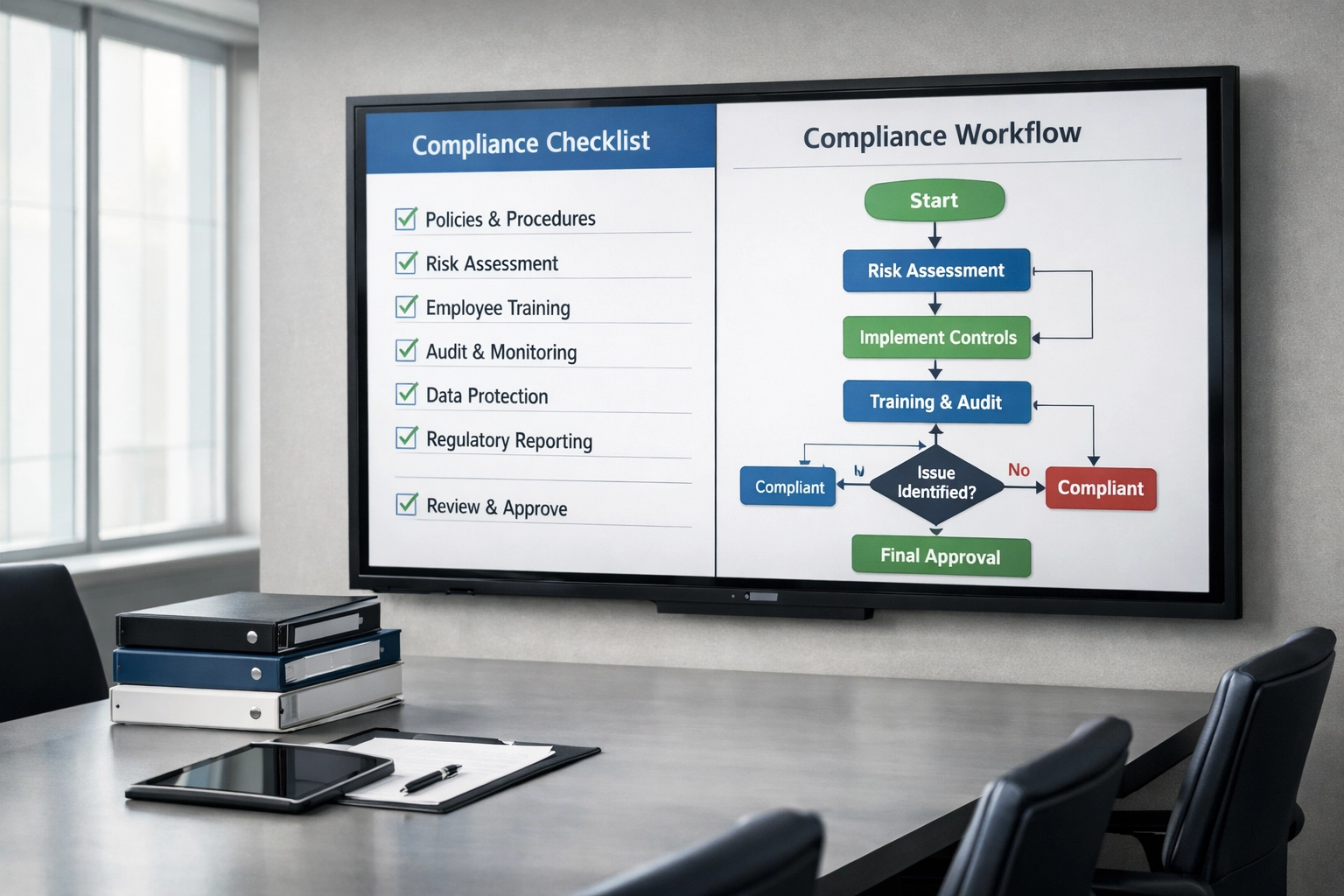
Return Review Protocols: Systematic processes for reviewing returns before transmission. Many service bureaus implement multi-stage review workflows with automated error detection.
Disclosure Requirements: EROs must ensure all preparers using their EFIN properly identify themselves on returns. Texas preparers must include their PTIN on all returns prepared.
Record Retention: IRS requires maintaining copies of returns, acknowledgments, and rejection reports for three years. Texas practitioners should maintain records for four years due to state statute of limitations.
Due Diligence Standards: Service bureau EROs must establish procedures verifying preparer credentials, monitoring preparer performance, and identifying potential fraud patterns.
Managing Preparer Relationships
Successful service bureau operations require active relationship management with supported preparers.
Onboarding Process: Comprehensive vetting includes credential verification, background screening, and initial training on filing procedures. Establish clear expectations regarding submission deadlines, quality standards, and communication protocols.
Training Programs: Regular training sessions covering software updates, regulatory changes, and common error patterns. Texas-specific training should address franchise tax reporting, sales tax nexus issues, and other state considerations affecting federal returns.
Performance Monitoring: Track metrics including rejection rates, processing times, and error frequency. Establish performance thresholds triggering additional oversight or relationship termination.
Communication Systems: Implement structured communication channels for routine questions, urgent issues, and technical support. Define response time expectations and escalation procedures.
Texas-Specific Operational Considerations
Texas presents unique considerations for service bureau operations:
No State Income Tax: Texas lacks individual income tax, simplifying state filing obligations. Service bureaus focus primarily on federal returns, though preparers may handle other Texas tax matters.
Franchise Tax Complexity: Business preparers may encounter Texas franchise tax obligations requiring specialized knowledge. Service bureaus supporting business preparers should ensure adequate expertise.
Sales Tax Nexus: E-commerce growth increases sales tax compliance complexity. Service bureaus may face questions about how federal return information affects Texas sales tax obligations.
Local Tax Variations: Some Texas municipalities impose local taxes. Service bureaus should clarify whether local tax preparation falls within their support scope.
Professional Regulation: Texas CPAs, attorneys, and enrolled agents face different regulatory frameworks. Service bureaus must understand applicable rules for each preparer type.
Security and Fraud Prevention
Service bureau EROs face elevated security risks due to aggregated data exposure and multiple user access points.
Access Controls: Implement role-based access restrictions limiting preparers to only necessary system functions. Require multi-factor authentication for all system access.
Data Segregation: Separate preparer data preventing cross-access between different practices using the service bureau. Each preparer views only their client information.
Monitoring Systems: Deploy automated monitoring detecting unusual filing patterns, duplicate submissions, or suspicious return characteristics. Establish protocols for investigating and addressing alerts.
Incident Response: Document procedures for responding to data breaches, unauthorized access, or suspected fraud. Include notification obligations to IRS, affected preparers, and potentially clients.
Insurance Coverage: Maintain errors and omissions insurance covering service bureau operations. Consider cyber liability coverage addressing data breach risks.

Fee Structures and Billing Models
Service bureau pricing typically follows one of several models:
Per-Return Pricing: Fixed fees for each return transmitted. Rates vary based on form complexity and service level.
Subscription Models: Monthly or seasonal fees providing unlimited filing. Appropriate for preparers with predictable volume.
Tiered Pricing: Volume-based discounts encouraging higher submission counts. Creates incentives for preparers to consolidate through single service bureau.
Value-Added Services: Additional fees for enhanced review, expedited processing, or extended support hours.
Fee structures should account for software costs, infrastructure expenses, support requirements, and liability exposure. Texas service bureaus should analyze local market rates when establishing pricing.
Technology Integration and Workflow Optimization
Efficient service bureau operations require streamlined workflows minimizing manual intervention.
Automated Acknowledgment Processing: Systems automatically receiving and routing IRS acknowledgments to preparers. Rejection processing workflows facilitate rapid correction and resubmission.
Quality Control Automation: Software-based error detection identifying common mistakes before transmission. Automated checks verify mathematical accuracy, form completeness, and logical consistency.
Portal Integration: Preparer portals providing status visibility, document exchange, and communication tools. Mobile-responsive design accommodates preparers working remotely.
Reporting Dashboards: Real-time analytics tracking submission volume, rejection rates, and processing times. Management reporting supports capacity planning and performance optimization.

Scaling Service Bureau Operations
Growth requires systematic capacity expansion:
Infrastructure Scaling: Cloud-based solutions provide elastic capacity handling seasonal demand fluctuations. Plan infrastructure upgrades before reaching capacity limits.
Support Team Expansion: Hire and train support personnel before existing team becomes overwhelmed. Document support procedures enabling consistent service delivery.
Process Refinement: Continuously evaluate and improve operational workflows. Identify bottlenecks and implement solutions before they constrain growth.
Technology Upgrades: Invest in automation reducing per-return handling costs. Enhanced technology enables serving more preparers without proportional staff increases.
Risk Management and Liability Mitigation
Service bureau EROs carry substantial liability for all returns transmitted under their EFIN. Risk management strategies include:
Comprehensive Contracts: Detailed agreements shifting appropriate liability to preparers while maintaining necessary control and oversight.
Preparer Screening: Thorough vetting processes minimizing risk of supporting preparers engaged in fraudulent or negligent practices.
Quality Assurance: Systematic review procedures catching errors before transmission. Documentation demonstrating reasonable care in operations.
Professional Advice: Regular consultation with tax attorneys regarding liability exposure, contract terms, and compliance requirements.
Financial Reserves: Adequate capitalization covering potential penalty exposure, legal costs, and business interruption scenarios.
Texas service bureau operators must balance supporting preparer independence while maintaining sufficient control protecting their EFIN and professional reputation.