

SEO Title: Texas Service Bureau Guide: What Tax Pros Need in 2026
Slug: service-bureau-secrets-texas-tax-pros-2026
Excerpt: Texas tax professionals face new franchise tax conformity rules and service bureau requirements for 2026. This guide covers EFIN setup, IRC changes, and compliance deadlines.
Tags: Texas Tax, Service Bureau, EFIN, Franchise Tax, ERO Operations, Tax Business, IRS Compliance
Service Bureau Operations in Texas: Current Requirements
A service bureau provides e-filing infrastructure to tax preparers who lack their own Electronic Filing Identification Number. In Texas, establishing this operation requires specific licensing and compliance measures.
Required credentials:
- Business license from Texas Secretary of State
- Electronic Filing Identification Number (EFIN) from IRS
- Local permits based on county and city regulations
- Surety bond or errors and omissions insurance
- Data security infrastructure meeting IRS Publication 1345 standards

The EFIN application process takes 45 days minimum. IRS requires fingerprinting, background checks, and a suitability review for all principals with 25% or greater ownership. Preparers using your service bureau file under your EFIN while maintaining their individual PTIN.
2026 Franchise Tax Law Changes: What Shifted
Texas Comptroller changed franchise tax conformity rules effective for 2026 reports. The state moved from 2007 Internal Revenue Code standards to current federal tax law for three calculations: total revenue, cost of goods sold, and depreciation.
This shift affects every Texas entity filing franchise tax reports. Previous workarounds using 2007 IRC depreciation schedules no longer apply.
Depreciation Rule Updates
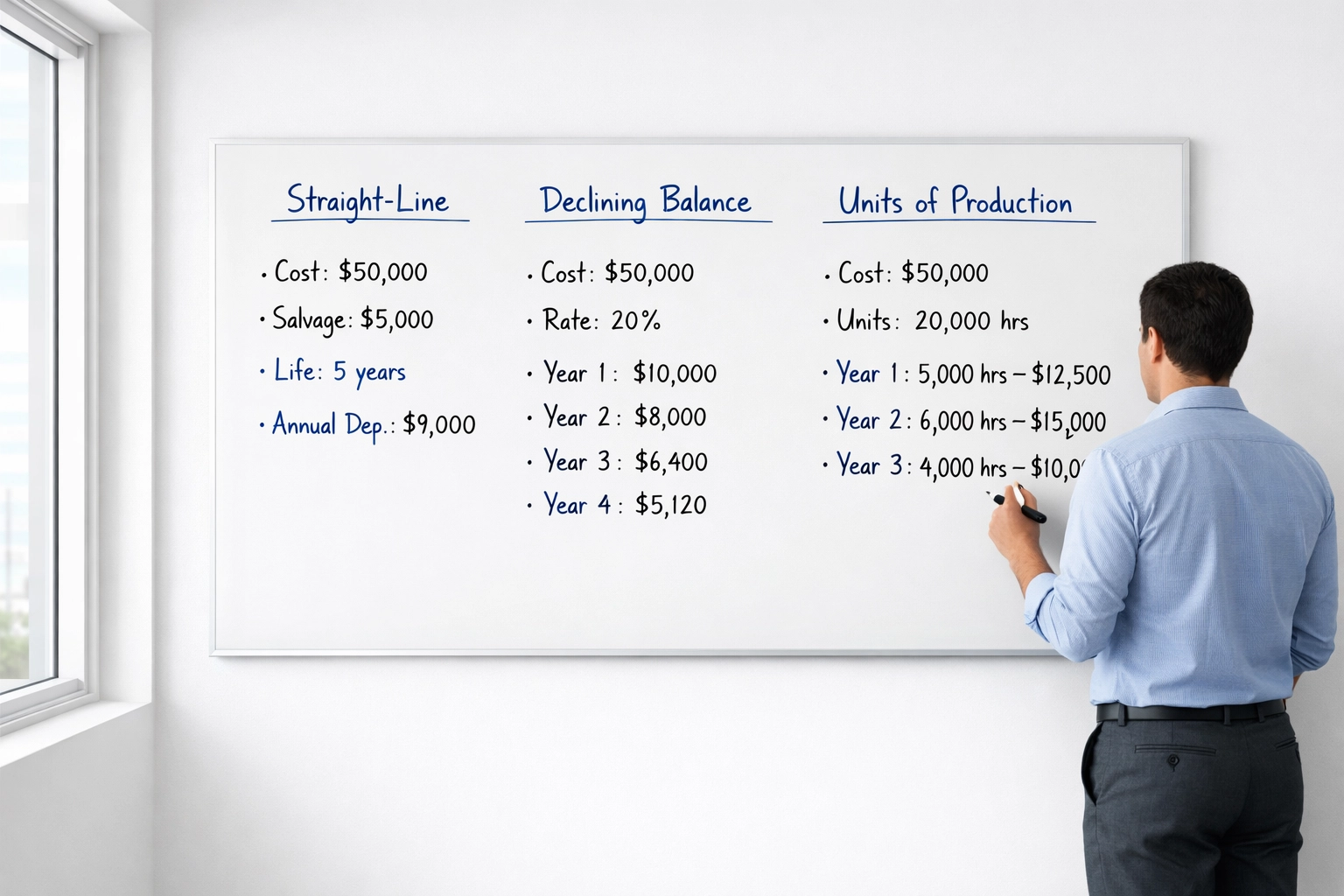
Under current federal law, businesses deduct the full cost of qualifying fixed assets in the year of purchase through bonus depreciation rules. The 2007 IRC did not allow this treatment.
Texas now permits this accelerated depreciation in franchise tax calculations. For 2026 only, entities can include a net depreciation adjustment in COGS to account for asset differences from prior years.
This transitional relief applies to assets placed in service before the 2026 reporting period. It prevents double taxation of depreciation differences accumulated under the old rules.
COGS and Revenue Calculations
Cost of goods sold and total revenue now follow current federal line items from Form 1120 or equivalent business returns. The 2007 IRC used different line item numbers and definitions.
Preparers must recalculate these figures using 2025 federal schedules when completing 2026 Texas franchise tax reports. Software that auto-populates from federal returns requires manual adjustment if it pulls 2007 IRC calculations.
Service Bureau Compliance with New Rules
Service bureaus managing Texas franchise tax e-filing face additional requirements under the conformity change. Webfile software must accommodate both current IRC calculations and transitional adjustments.
Recommended compliance steps:
- Update tax software to 2026 Texas specifications
- Train staff on depreciation adjustment calculations
- Create verification checklists for COGS line items
- Document transitional relief elections for client files
- Establish quality review for franchise tax returns

The Texas Comptroller provides electronic filing through Webfile for franchise tax reports. Service bureaus need separate credentials from individual preparer accounts. Processing volume determines whether batch upload or individual filing makes operational sense.
Critical Deadlines and Thresholds for 2026
Texas franchise tax reports for the 2026 reporting period are due May 15, 2026. Payment must accompany the filing. Extensions move the filing deadline to November 15, 2027, but payment remains due on the original May 15 deadline.
The no tax due threshold for 2026 is $2.65 million in annualized total revenue. Entities below this threshold still file a Public Information Report or Ownership Information Report. These reports contain ownership details but require no tax calculation.
Annual reports filed with the Texas Secretary of State also use the May 15 deadline for most entity types. Service bureaus handling both franchise tax and business filings must coordinate timing.
Setting Up Your Service Bureau Infrastructure
Tax professionals considering service bureau operations need specific technical infrastructure beyond the EFIN.
Required Technology
- Tax software with multi-preparer capability
- Secure file transfer protocol (SFTP) for document exchange
- Electronic signature platform meeting IRS requirements
- Client portal with encryption
- Backup and disaster recovery systems
- Firewall and intrusion detection
IRS Publication 4557 details the Safeguarding Taxpayer Data requirements. Service bureaus handling client information must implement written security plans, conduct annual risk assessments, and provide security awareness training.

Staff Requirements
Each service bureau needs at minimum:
- One ERO (Electronic Return Originator) with clean background check
- Staff trained in IRS e-file rules
- Designated security officer
- Quality review personnel
The ERO signs Form 8879 for each return and accepts responsibility for e-file compliance. This role requires understanding of reject codes, acknowledgment procedures, and IRS communication protocols.
Service Bureau Business Models in Texas
Three primary models exist for service bureau operations in Texas.
Full-service bureaus handle complete return preparation, review, and e-filing. Preparers send raw client documents, and the bureau delivers filed returns. This model works for preparers transitioning away from active practice.
E-file only bureaus accept completed returns from preparers and handle transmission, acknowledgment monitoring, and reject resolution. Preparers maintain client relationships and preparation responsibility. This represents the most common model.
Hybrid bureaus offer tiered services where preparers choose their involvement level. Some clients receive full preparation while others get e-file only services. This requires more complex fee structures and workflow management.
Fee Structures and Revenue Models
Service bureaus typically charge per return with tiered pricing based on form complexity. Texas-specific considerations affect pricing:
- Federal return only: $15-25 per return
- Federal plus state: $25-40 per return
- Business returns with franchise tax: $50-100 per return
- Extensions and amendments: Flat fees of $10-25
Volume discounts encourage preparers to send their entire practice. Minimum monthly fees ensure profitability during slow months. Some bureaus charge annual EFIN access fees separate from per-return charges.

Risk Management and Insurance
Service bureau operations carry liability exposure beyond standard tax preparation. Errors in e-filing, data breaches, or system failures affect multiple preparers simultaneously.
Required coverage:
- Errors and omissions insurance with $1M minimum limits
- Cyber liability insurance covering data breach response
- General liability for business operations
- Surety bond if required by local jurisdiction
The ERO personally guarantees compliance with IRS e-file requirements. This creates potential personal liability that insurance may not fully cover. Written agreements with preparers using your bureau should clearly define responsibility for preparation accuracy versus transmission errors.
Action Steps for Texas Tax Professionals
Tax professionals in Texas need to make service bureau decisions before the 2026 filing season peaks.
If establishing a service bureau:
- Apply for EFIN by March 1, 2026
- Purchase software with Texas franchise tax capability
- Implement IRS security requirements
- Develop preparer agreements and fee schedules
- Market services to local preparers without EFINs
If using a service bureau:
- Verify bureau's EFIN status and Texas filing capability
- Review data security practices
- Test filing process with sample returns
- Establish communication protocols for rejects
- Confirm franchise tax handling under new IRC conformity
The 2026 franchise tax changes require attention regardless of service bureau involvement. Texas preparers must update their understanding of current IRC depreciation rules and their impact on state tax calculations.