
Operating a tax service bureau in Ohio requires strict adherence to IRS regulations and state-specific requirements. Many EROs and tax professionals make preventable compliance errors that trigger audits, penalties, or license suspensions. This guide identifies critical compliance gaps and provides actionable steps to correct them.
Understanding Ohio Service Bureau Requirements
A service bureau processes tax returns on behalf of EROs who lack direct IRS e-file access. Ohio tax professionals using or operating as service bureaus must meet federal ERO requirements plus state-specific obligations.
The IRS defines service bureaus under Revenue Procedure 2007-40. Any entity transmitting returns electronically for multiple preparers qualifies as a service bureau and must maintain separate compliance protocols.
Ohio requires service bureaus to register with the Ohio Department of Taxation when processing Ohio state returns. This registration is independent of federal ERO status and carries separate renewal requirements.

Error 1: Inadequate Data Security Controls
Most compliance failures stem from insufficient data protection measures. Service bureaus handle sensitive client information across multiple tax practices, creating concentrated risk.
The IRS Security Summit requires service bureaus to implement multi-factor authentication, encryption protocols, and network segmentation. Ohio law adds specific breach notification requirements under Ohio Revised Code 1349.19.
Required security controls include:
- End-to-end encryption for data transmission
- Role-based access restrictions
- Automated session timeouts
- Audit logging for all system access
- Annual third-party security assessments
- Written incident response procedures
Service bureaus must document all security measures in a written information security plan. This plan must be updated annually and made available during IRS compliance reviews.
Error 2: Missing ERO Agreements
Each ERO using your service bureau must sign a written agreement specifying responsibilities and liabilities. This is not optional under IRS regulations.
The agreement must address:
- Return transmission procedures
- Data retention schedules
- Security breach protocols
- Financial responsibility for penalties
- Client consent documentation
- Access termination procedures
Many service bureaus use generic templates that fail to address Ohio-specific requirements. Ohio law requires clear disclosure of third-party involvement in return preparation. Your ERO agreement must specify how client notifications occur.
Store signed agreements for six years from the agreement termination date. Digital storage is acceptable if you maintain backup systems and access controls.

Error 3: Improper PTIN Verification
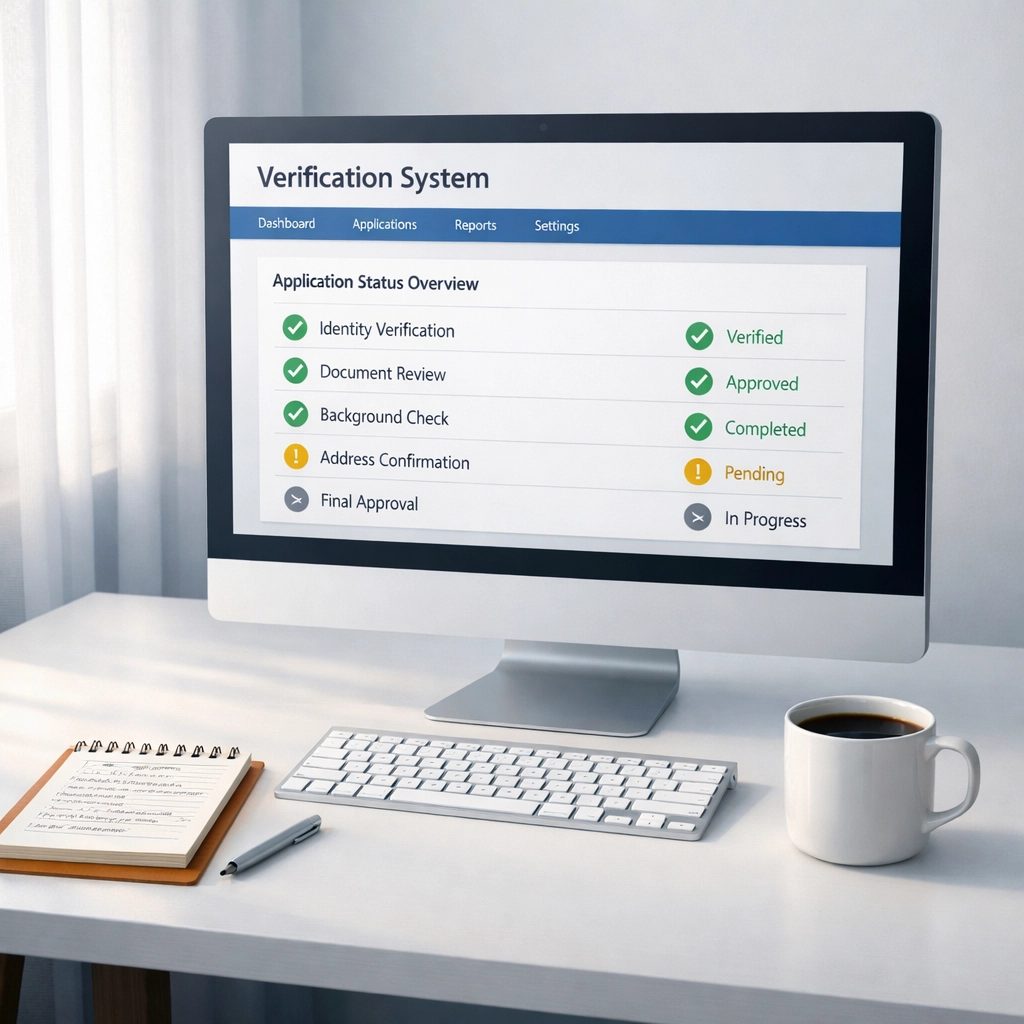
Service bureaus must verify current PTIN status for every tax professional before processing returns. This verification must occur annually, not just at initial onboarding.
The IRS e-Services platform provides PTIN verification tools. Service bureaus should implement automated verification integrated with their processing systems. Manual verification creates gaps when PTINs expire mid-season.
Ohio does not require separate preparer registration, but service bureaus must verify that out-of-state preparers meet Ohio filing requirements. This includes ensuring proper disclosure on Ohio returns when the preparer lacks Ohio residency.
Document all PTIN verifications in your compliance file. The IRS expects contemporaneous documentation, not post-audit reconstruction.
Error 4: Deficient Record Retention Systems
Service bureaus must retain copies of all transmitted returns for three years from the return due date or IRS receipt date, whichever is later. Ohio requires four-year retention for state returns.
Common retention failures include:
- Using single-point storage without redundancy
- Failing to maintain rejected return records
- Inadequate indexing systems
- Missing acknowledgment files
- Incomplete audit trail documentation
Implement automated backup systems with off-site storage. Your retention system must allow retrieval of specific returns within 24 hours of an IRS request.
Store Ohio returns separately with clear identification. Ohio Department of Taxation audits focus heavily on record completeness and retrieval speed.
Error 5: Client Consent Violations
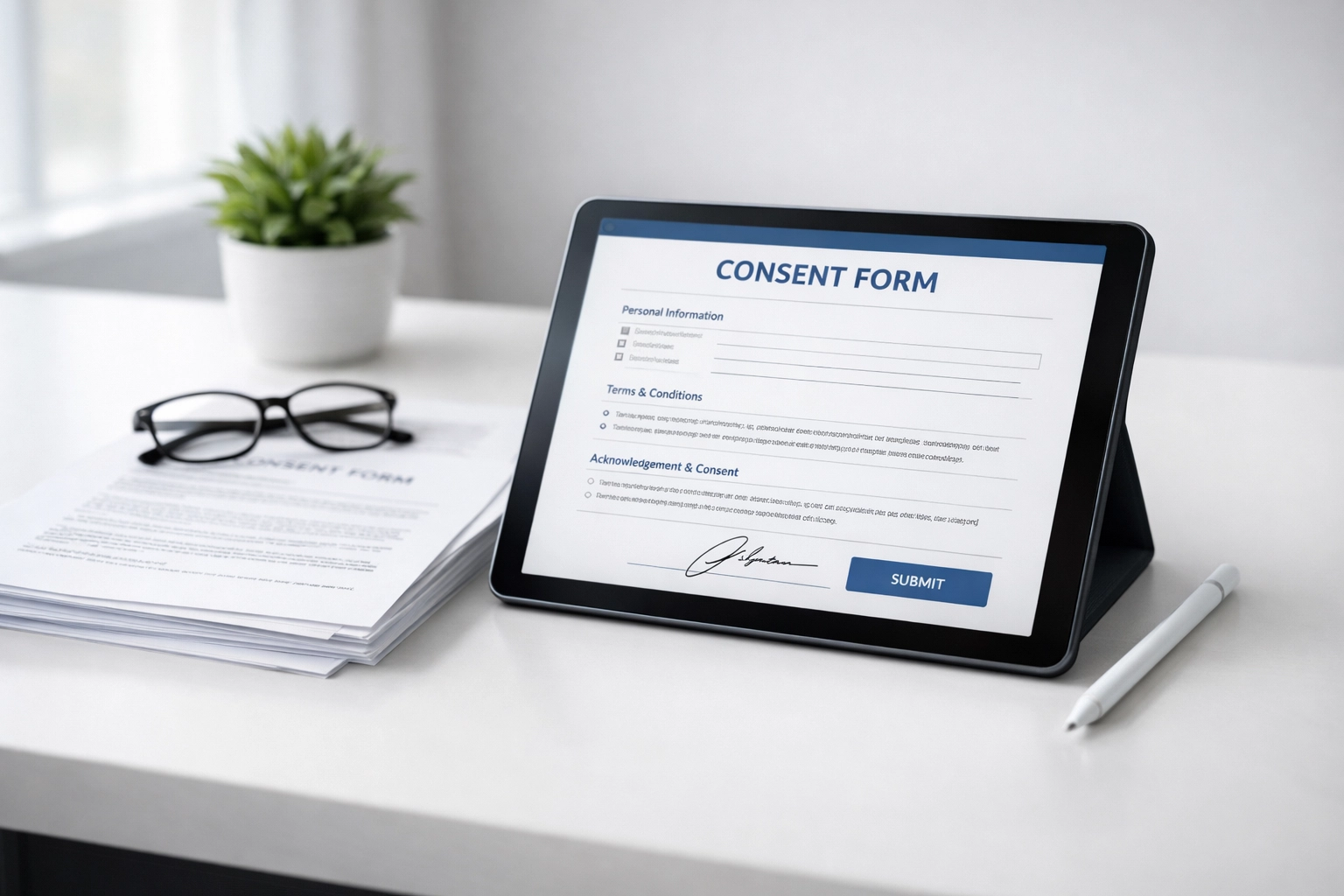
Every taxpayer must provide written consent before their return is processed by a service bureau. This consent cannot be implied or verbal.
The consent form must identify:
- The service bureau by name and location
- Specific data that will be transmitted
- Security measures protecting client information
- Client rights regarding data access and deletion
- Complaint procedures
Ohio law provides specific consumer data rights under the Ohio Personal Privacy Act. Service bureaus must honor deletion requests within 30 days unless retention is legally required.
Many EROs assume client consent transfers automatically when they engage a service bureau. This is incorrect. Each service bureau relationship requires fresh client consent.
Error 6: Inadequate Disclosure on Returns
IRS regulations require specific preparer information on every return. Service bureaus often fail to properly identify all parties involved in return preparation.
The paid preparer section must identify the individual who primarily prepared the return, not just the service bureau. If your service bureau employs preparers who work on returns, their PTIN must appear on the return.
Ohio requires disclosure when multiple preparers contribute to a return. If an ERO partially prepares a return before transmitting it to your service bureau for completion, both preparers must be identified.
Review your processing workflow to ensure proper preparer identification occurs before transmission. Automated systems should flag returns missing required preparer information.
Error 7: Non-Compliant Subcontractor Arrangements
Service bureaus frequently outsource specialized functions like software support or data entry. These arrangements create compliance obligations many bureaus overlook.
Any subcontractor with access to return information must meet the same security and confidentiality requirements as the primary service bureau. This includes foreign-based contractors, which trigger additional IRS notification requirements.
Ohio law prohibits transmitting taxpayer information outside the United States without explicit client consent and security certifications. Generic consent forms rarely satisfy this requirement.
Maintain written agreements with all subcontractors specifying:
- Permitted data access
- Security requirements
- Confidentiality obligations
- Audit rights
- Termination procedures

Error 8: Incomplete Audit Trail Documentation
Service bureaus must maintain detailed records showing every action taken on each return. This audit trail proves compliance during IRS reviews.
Required documentation includes:
- Return receipt timestamps
- Preparer assignments
- Software version logs
- Transmission attempts and results
- Error correction records
- Client communication logs
Ohio tax authorities specifically request processing timelines during audits. Service bureaus unable to provide complete chronological records face significant penalties.
Implement automated logging systems that capture all processing steps without manual intervention. Manual logs are incomplete and unreliable during high-volume periods.
Error 9: Failed Due Diligence Procedures
Service bureaus must implement due diligence procedures to prevent processing fraudulent returns. This obligation exists independently of the ERO's due diligence requirements.
IRS guidelines require service bureaus to flag returns with high-risk indicators:
- Multiple returns from single IP addresses
- Inconsistent income reporting patterns
- Unusual refund claims
- Missing supporting documentation
- Identity theft indicators
Ohio experiences high rates of refund fraud involving rental property losses and business expenses. Service bureaus processing Ohio returns should implement enhanced screening for these areas.
Document your due diligence procedures in writing. Train all processing staff on fraud indicators and implement mandatory supervisor review for flagged returns.
Error 10: Inadequate Business Continuity Planning
Service bureaus must maintain operations during system failures, disasters, or security incidents. Many bureaus lack documented contingency plans.
Your business continuity plan must address:
- Backup processing capabilities
- Data recovery procedures
- ERO notification protocols
- Alternative communication methods
- Vendor failure scenarios
Ohio law requires service providers to maintain reasonable business continuity measures. The Ohio Department of Taxation may suspend service bureau registration if processing failures harm taxpayers.
Test your business continuity plan annually. Document test results and corrective actions. The IRS expects evidence of regular testing during compliance reviews.
Implementing Corrective Measures
Address compliance gaps systematically. Conduct annual compliance audits using IRS Publication 1345 as your baseline. Add Ohio-specific requirements from Ohio Revised Code Chapter 5703.
Engage legal counsel familiar with Ohio tax service bureau regulations. Generic compliance advice often misses state-specific requirements.
Implement automated compliance monitoring tools. Manual compliance tracking fails during peak filing season when processing volumes stress all systems.
Verification and Monitoring
Establish quarterly compliance reviews examining:
- Security control effectiveness
- ERO agreement currency
- PTIN verification completeness
- Record retention adequacy
- Consent form compliance
Document all reviews and maintain corrective action logs. The IRS and Ohio tax authorities expect ongoing compliance monitoring, not annual rushes before renewal deadlines.
Assign compliance responsibility to specific personnel. Diffused responsibility creates gaps where critical requirements fall through cracks.
Service bureau compliance requires constant attention and resource investment. These requirements protect clients, EROs, and your business from preventable failures that damage professional reputations and trigger regulatory action.