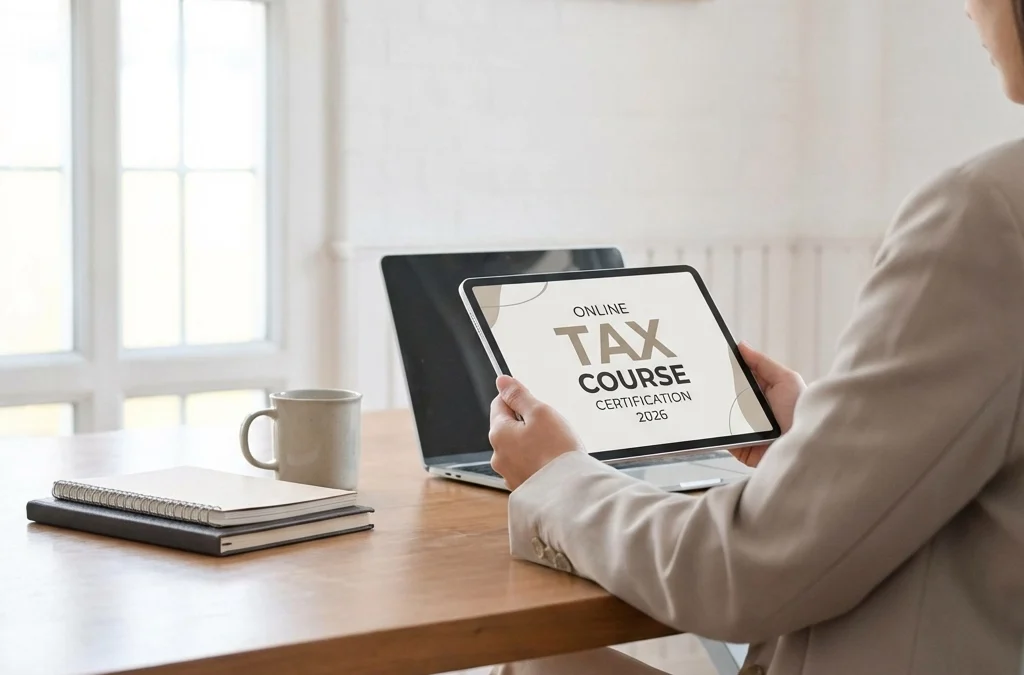
The short answer? Absolutely not. Online tax courses are more alive and thriving than ever before. In fact, 2026 represents a perfect storm of technological advancement, industry growth, and educational innovation that makes this the ideal time to pursue your tax preparer certification through digital learning platforms.
The tax preparation industry has undergone a massive transformation, and online tax courses have evolved from basic video lectures to comprehensive, interactive learning experiences that rival traditional classroom instruction. Here's why smart professionals are choosing 2026 as their certification year.
1. Advanced Learning Technology Has Reached Peak Effectiveness
Modern online tax courses now integrate multiple learning modalities into single platforms. Today's courses combine live instruction, interactive exercises, real-time quizzes, and direct instructor support seamlessly. The technology has matured to the point where online learning often provides superior engagement compared to traditional classroom settings.
Virtual reality simulations and AI-powered practice scenarios allow students to work through complex tax situations in risk-free environments. This hands-on approach was impossible just a few years ago but is now standard in quality online tax preparation programs.

2. Industry Growth is Creating Unprecedented Demand
The Bureau of Labor Statistics projects 2.9% growth in tax preparation careers through 2026, indicating sustained demand for qualified professionals. This growth, combined with an aging workforce of existing tax preparers, creates significant opportunities for newly certified professionals.
The demand extends beyond traditional tax season work. Year-round tax planning, business consulting, and specialized services like cryptocurrency taxation require professionals with current certifications and up-to-date knowledge.
3. Flexible Scheduling Eliminates Traditional Barriers
Online tax courses offer "anytime, anywhere" accessibility that removes geographic and scheduling constraints. Working professionals can pursue certification without taking time off or relocating. Parents, caregivers, and those with irregular schedules can progress at their own pace.
This flexibility has proven crucial for career changers who need to maintain current income while building new skills. The ability to pause, replay, and revisit content ensures thorough understanding without the pressure of keeping up with a fixed classroom pace.
4. Cost-Effectiveness Delivers Superior ROI
Online certification programs typically cost 30-50% less than equivalent in-person training. Eliminated expenses include commuting, accommodation, meals, and printed materials. Many platforms offer payment plans, scholarships, or employer reimbursement options.
The return on investment accelerates quickly. Certified tax preparers can command higher fees, access better employment opportunities, and build independent practices with lower overhead costs than many other professional services.

5. Course Quality Has Reached Professional Standards
Major providers like the National Association of Tax Professionals (NATP), TaxWatch University, and established continuing education organizations now offer online programs with satisfaction ratings exceeding 4.9 out of 5 stars. These courses meet stringent accreditation standards and provide continuing education credits valid in all 50 states.
Quality online programs include comprehensive support systems: dedicated instructors, peer discussion forums, technical assistance, and career guidance. Many exceed the support levels available in traditional classroom settings.
6. Real-Time Updates Keep Content Current
Online platforms can update course content immediately when tax laws change, ensuring students learn the most current regulations and procedures. Traditional textbooks and classroom materials often lag behind legislative changes by months or years.
This real-time capability proves especially valuable in the rapidly evolving tax landscape, where new regulations, court decisions, and IRS guidance can significantly impact preparation practices throughout the year.
7. Multiple Learning Formats Accommodate Different Preferences
Today's online tax courses offer diverse delivery methods:
- Live webinars for real-time interaction and Q&A
- On-demand courses for self-paced learning
- Virtual workshops for hands-on practice
- Interactive simulations for practical experience
- Mobile-friendly content for learning on-the-go
This variety ensures every learning style finds an effective format, improving comprehension and retention rates compared to one-size-fits-all classroom instruction.

8. Enhanced Networking Opportunities
Contrary to popular belief, online courses often provide superior networking opportunities. Virtual events, discussion forums, and regional meetups connect students with peers nationwide rather than limiting connections to local classmates.
Many online platforms maintain alumni networks, mentor matching programs, and job placement assistance that extend far beyond course completion. These connections prove invaluable for building referral networks and finding employment opportunities.
9. Immediate Access to Specialization Training
Online platforms offer immediate access to specialized training areas like:
- Cryptocurrency and digital asset taxation
- International tax compliance
- Small business tax planning
- Estate and trust taxation
- Tax controversy and representation
These specializations command premium fees and provide competitive advantages in the marketplace. Online delivery makes specialized training accessible regardless of local availability.
10. Built-in Business Development Resources
Modern online tax courses often include business development modules covering:
- Client acquisition strategies
- Practice management software
- Marketing fundamentals
- Ethical guidelines and best practices
- Technology integration
These resources help new professionals establish successful practices quickly rather than learning business skills through costly trial and error.

Making the Right Choice in 2026
The evidence clearly demonstrates that online tax courses have not only survived but have evolved into the preferred method for professional certification. The combination of technological advancement, industry demand, and educational innovation makes 2026 an optimal time to pursue tax preparer certification.
Quality online programs now offer comprehensive training that meets or exceeds traditional classroom instruction while providing flexibility, cost savings, and specialized resources unavailable through conventional methods.
For professionals ready to enter the tax preparation field or advance their existing careers, online tax courses represent the most efficient path to certification and success.
The tax industry continues evolving rapidly, and the professionals who adapt to modern learning methods will be best positioned to serve clients effectively and build thriving practices. The question isn't whether online tax courses are dead: it's whether you'll take advantage of this prime opportunity to advance your career in 2026.
Ready to explore your certification options? Visit TIG Tax Pros to discover comprehensive training resources and professional development tools designed for today's tax professionals.